A refreshing evening habit that can make nights easier
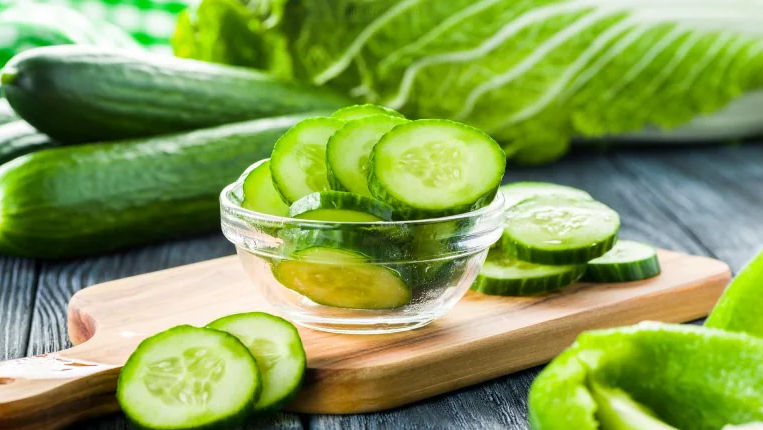
If you enjoy a light, crisp snack after dinner, a few slices of cucumber can be a simple choice that feels good and supports your body in several quiet ways. Many people in midlife and beyond prefer gentle foods at night that are easy on the stomach, help with hydration, and do not add unnecessary calories. Cucumber fits that bill beautifully. It is mostly water, naturally low in sugar and sodium, and offers a cooling crunch that can satisfy late-evening nibbling without weighing you down.
Below you will find clear, practical reasons this humble vegetable can be a smart addition to your evening routine, plus tips to make it comfortable for your digestion, ideas for how and when to enjoy it, and sensible notes for anyone who needs to be more cautious.
Gentle hydration that works while you rest
Cucumber is made up of a lot of water, which means it can help top up your fluid levels in a very comfortable way. Staying well hydrated at night supports your mouth and throat, keeps nasal passages from feeling too dry, and helps your joints and muscles feel more at ease in the morning. Many people notice fewer nighttime foot or calf cramps when they keep their fluids steady throughout the evening.
Because cucumbers are mostly water in a solid form, you usually avoid the bloated feeling that sometimes comes from chugging a large glass right before bed. Even so, it is wise to enjoy your cucumber a little earlier in the evening, such as with or right after dinner, rather than minutes before you turn off the lights. This approach supports hydration without sending you to the bathroom at 2 a.m.
For those in their 50s and 60s, consistent evening hydration can be a small daily habit that pays off in sleep comfort. A few slices can also help moisten the mouth if you tend to breathe through your mouth while sleeping or wake with a dry tongue or lips.
Light on the stomach and kind to digestion
A heavy nighttime snack can lead to discomfort, gas, or that too-full feeling when you lie down. Cucumber is the opposite. It is easy to digest for most people and provides a small amount of fiber that helps keep things moving regularly. The peel and seeds contain much of the fiber, so if you find seeds challenging, you can remove them and still enjoy the cool crunch.
Some people are sensitive to the natural compounds in cucumbers that can cause burping. If that is you, try slicing them thinly, peeling them, or lightly salting the slices and letting them sit for a few minutes, then patting them dry before eating. Chewing well also helps. These small adjustments often make cucumbers more comfortable, especially in the evening when you want calm digestion.
For those with a sensitive stomach, cucumbers are typically gentle compared with many other raw vegetables. Paired with a spoonful of yogurt or a slice of cheese, they can settle nicely and leave you feeling satisfied without heaviness.
Support for steady blood sugar and easier weight management
Late-night snacking can turn into a habit that slowly nudges weight upward. Choosing something low in calories but high in volume is a simple way to stay satisfied while keeping portions in check. Cucumbers fit this perfectly. They offer lots of crunch and fullness for very few calories, which can help tame those evening munchies without pushing you over your daily needs.
If you keep an eye on blood sugar, a cucumber snack is a friendly option because it is naturally low in sugar and has a small effect on glucose. Pairing it with a source of protein or healthy fat, such as a dollop of hummus or a spoonful of cottage cheese, can help you feel steady and reduce the desire to keep opening the pantry. Many people find this simple swap helps them avoid sugary desserts or salty chips at night.
Remember that the goal is comfort and consistency. A few cucumber slices can take the edge off hunger so you can head to bed without feeling empty, but not so full that it disturbs your rest.
A calming choice for heartburn and reflux discomfort
Heavy, spicy, or fatty evening foods can set off heartburn, which is a common complaint as we get older. Cucumbers are naturally low in fat and acidity, so they are less likely to trigger reflux. The extra water in cucumbers can also help dilute stomach contents a bit, which some people find soothing.
It helps to keep portions modest and timing sensible. If heartburn is a concern for you, enjoy cucumbers earlier in the evening and avoid pairing them with very acidic dressings, rich dips, or a lot of vinegar right before bed. Simple preparations, such as plain slices or a gentle yogurt-based dip, tend to be friendlier for reflux-prone stomachs.
If any food tends to cause you reflux, try a small amount first and sit upright for a while before lying down. Many folks discover that cucumbers are one of the few fresh, crunchy foods that feel fine after dinner.
Everyday support for blood pressure and heart health
As we age, little choices add up for heart health. Cucumbers offer a helpful combination: they are naturally low in sodium, provide some potassium, and support hydration. Adequate potassium helps balance sodium in the body, and steady hydration helps your kidneys work smoothly. These gentle effects, paired with an overall balanced diet, can contribute to more comfortable blood pressure over time.
Another plus is that cucumbers contain a variety of plant compounds, including flavonoids, that act as antioxidants. While no single snack is a magic fix, choosing foods like cucumbers in the evening instead of salty, processed snacks is a step in a heart-smart direction. If you like adding a sprinkle of salt, go very light, or try a pinch of dried herbs or a squeeze of lemon earlier in the evening so the flavor has time to settle.
For many older adults, the best part is that cucumbers feel refreshing without leaving you thirsty. That makes them an easy, repeatable choice you can feel good about night after night.
Hydration for skin and overnight refresh
Good rest and plenty of fluids are two of the simplest ways to help your skin look and feel its best. Because cucumbers are nearly all water, they help your body meet its fluid needs in a pleasant, food-first way. That can leave your skin looking more supple and less dry in the morning. The light vitamin C and plant compounds in cucumbers also contribute to everyday skin support.
Another indirect benefit is that choosing cucumbers at night can help you skip very salty snacks that may cause puffiness around the eyes come morning. Over time, these small choices support a fresher look and a more comfortable feel when you wake up.
Some people also notice that when they swap late-night sweets for a crunchy cucumber, they sleep more comfortably without the jittery feeling that sugar can bring. That steadiness helps your body do its normal overnight repair work with fewer interruptions.
How much to eat and the best time in the evening
A few slices or about half a small cucumber is enough for most people as an evening snack. If you are pairing it with something like a spoonful of yogurt or a few bites of leftover chicken, you can enjoy a bit more without feeling too full.
Timing matters. Try to enjoy cucumbers with dinner or within an hour or two after your meal. This gives your body time to digest and reduces the chance of waking for a bathroom trip. If you are very sensitive to nighttime urination, have your cucumber earlier in the evening, and sip water more steadily during the daytime.
Notice how your own body responds. If you feel uncomfortably full, try a smaller portion. If you feel satisfied and sleep well, you have likely found your sweet spot.
Simple, tasty evening ideas without extra fuss
Plain slices are often the easiest way to go, especially if you enjoy the natural, cool flavor. If you like a touch of creaminess, dip a few slices into plain yogurt with a pinch of dried dill. For a mellow, savory note, a small smear of hummus works well and still keeps things light.
To soften the texture for very sensitive stomachs, try peeling the cucumber and slicing it thinly, then sprinkling a tiny bit of salt and letting it rest for five minutes. Pat the slices dry before eating. This draws out some water and can make the cucumber gentler for bedtime.
If you enjoy a warmer evening bite, briefly sauté peeled cucumber slices in a pan with a drizzle of olive oil until just tender. Serve it warm with a squeeze of lemon earlier in the evening. This approach keeps the vegetable easy on digestion while offering a different texture.
Tips for comfort if you have a sensitive stomach
If cucumbers have caused burping for you in the past, try removing both the peel and the seeds. Slice the cucumber lengthwise, scoop out the seeds with a spoon, and cut the remaining flesh into thin crescents. Chew slowly and see how you feel. Many people find this small change makes all the difference at night.
If you are managing reflux, keep the seasoning simple. Avoid very spicy powders or strong vinegars close to bedtime. Choose a small portion and give your body at least an hour upright before lying down. Pairing the cucumber with a few bites of protein can also help you feel settled.
Remember that every body is a little different. Starting small and noticing your comfort is the best guide.
Who may want to be more cautious
Most people can enjoy cucumbers at night without any problem. If you are on a fluid restriction or have kidney issues, you may need to be mindful of the extra water content and discuss your evening snacks with your healthcare provider.
If you take a medication that requires consistent vitamin K intake, keep your vegetable choices steady from day to day. Cucumbers contain a modest amount of vitamin K, far less than greens like spinach or kale, but it is still wise to be consistent in what you eat so your provider can manage your medication properly.
If nighttime urination is a frequent concern, have your cucumber earlier with dinner rather than right before bed. Those who struggle with reflux can keep portions small and seasonings mild to see how they respond.
Answers to common questions
Will this make me wake up to use the bathroom? It can if you eat a large amount very late. Enjoying a small portion with dinner or an hour or two before bed usually provides gentle hydration without nighttime interruptions.
Is the peel okay to eat? Yes, and it contains fiber and valuable nutrients. If it bothers your stomach, peel the cucumber or try a seedless variety. Many people in midlife prefer peeling in the evening and keeping the peel on for daytime salads.
Can I have cucumbers if I watch my blood sugar? Generally, yes. They are naturally low in carbohydrates and can be a smart evening choice. If you pair them with a little protein or healthy fat, you may feel even more satisfied and steady.
What about heartburn? Most people find cucumbers soothing compared with spicy or fatty snacks. Keep portions modest, season lightly, and avoid eating right before lying down to reduce any chance of reflux.
How much is a good serving? Start with a few slices, about half a small cucumber. If you feel comfortable and still a bit hungry, have a little more, paying attention to how your body feels.
A small switch that adds up over time
Choosing a cool, crunchy cucumber in the evening is a friendly habit that supports hydration, digestion, heart comfort, and nighttime ease. It is light yet satisfying, simple to prepare, and gentle enough for many stomachs. When you enjoy it sensibly in the early evening and keep portions in tune with your appetite, it can help you skip heavier snacks that may disturb sleep or weigh you down.
In the end, your own comfort is the best guide. Try a small serving with your usual dinner or as a calm snack a little later, notice how you sleep and how you feel in the morning, and adjust from there. Over weeks and months, these small, steady choices contribute to better rest and a more comfortable body—proof that even the simplest foods can make a meaningful difference.