Beetroot is a fantastic addition to your diet, jam-packed with essential vitamins, minerals, and antioxidants that offer a myriad of health benefits. But, before diving headfirst into a beet frenzy, it’s crucial to be aware of some potential downsides, especially for those in the 45 – 65 age range. Let’s explore seven key points to consider when incorporating beetroot into your meals.
Proceed with Caution
Beetroot contains oxalates, which can contribute to the formation of kidney stones, especially for individuals prone to them. If you’ve had kidney stones before, it’s best to consume beets in moderation and seek advice from your healthcare professional to find the right balance for you.
Mind Your Blood Pressure
While beets can help lower blood pressure due to their nitrate content, if you’re already on medication for high blood pressure, consuming excessive amounts of beets may lead to a drastic drop in blood pressure. This could result in dizziness or fainting, so it’s essential to consult your doctor to manage your beet intake effectively.
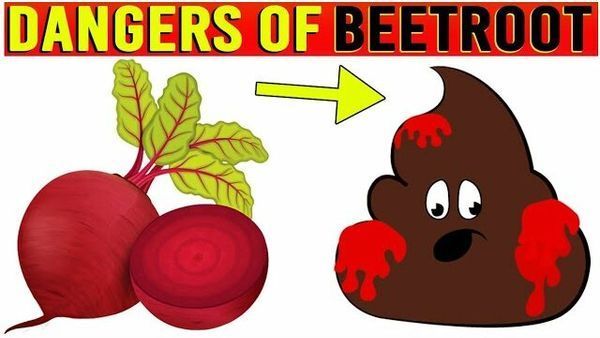
A Pink Surprise
One interesting side effect of eating beetroot is beeturia, where your urine or stool may take on a pink or reddish hue. Don’t be alarmed – this phenomenon is harmless, albeit surprising. Embrace it as a quirky reminder of the beet’s vibrant nature!
Watch Your Fiber Intake
Beets are rich in fiber, which can sometimes cause bloating, gas, or stomach cramps, especially for those with sensitive digestive systems. Listen to your body’s cues and enjoy beets in moderation to avoid any unwanted gastrointestinal discomfort.
Sugar Content Alert
Despite having a low glycemic index, beets naturally contain sugar. For individuals with diabetes, consuming large quantities of beets can cause a spike in blood sugar levels. Monitoring your beet intake and balancing it with other healthy foods is vital for maintaining stable blood sugar levels.
Allergic Reactions
Though rare, some individuals may experience allergic reactions to beetroot, such as itching, hives, or swelling. If you notice any adverse reactions after consuming beets, it’s best to steer clear of them entirely and prioritize your health by seeking professional advice.
Calcium Interference
High in oxalates, beets can potentially interfere with calcium absorption in the body over time, which may impact bone health. To maintain strong and healthy bones, ensure you incorporate a variety of calcium-rich foods into your diet to counterbalance the effect of oxalates from beets.
In conclusion, while beetroot boasts a treasure trove of nutrients and benefits, moderation is key to reaping its goodness without any side effects. If you have any underlying health conditions, it’s wise to seek guidance from a healthcare professional before making significant dietary changes. Embrace the vibrant world of beets, relish them mindfully, and complement them with a well-rounded mix of other nutritious foods. Your body will thank you for it!