
It’s not uncommon to experience swelling in the feet and ankles, especially after prolonged standing or sitting. However, there are certain warning signs when swelling could indicate a more severe health issue. Here’s a closer look at some of these warning signs you should be aware of:

Deep Vein Thrombosis
Deep Vein Thrombosis (DVT) is a condition where a blood clot forms in a deep vein, often in the leg. This can cause swelling, pain, and even changes in skin color. DVT is serious because a clot can break loose and enter the lungs, leading to a pulmonary embolism.
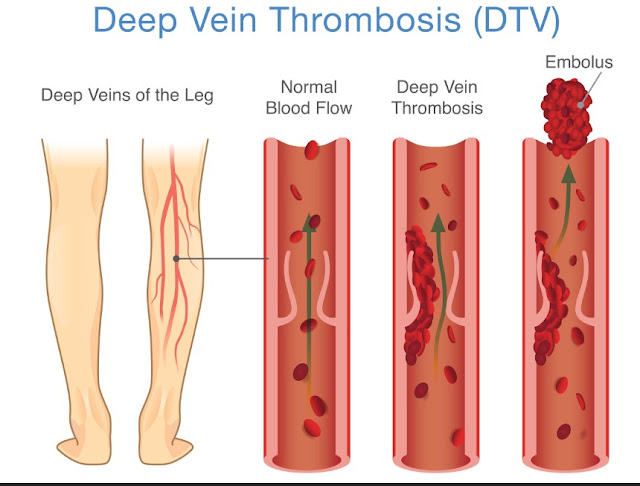
Symptoms of DVT can be subtle. Often, you might notice a gradual swelling in your foot or lower leg without any obvious injury. The swelling can be accompanied by a feeling of heaviness, and occasionally, you might see a slight reddish coloration of the skin.

Heart Failure
Heart failure can lead to a buildup of fluid in various parts of the body, including the feet, due to the heart not pumping effectively. This condition is usually accompanied by other symptoms such as fatigue, shortness of breath, and irregular heartbeat.

If you notice swelling in your feet that does not subside after a good night’s sleep or is accompanied by other symptoms of heart failure, it is crucial to consult a healthcare professional.

Kidney Disease
Swelling in the feet can also indicate kidney disease. When your kidneys aren’t performing well, they struggle to remove sodium and fluid from your body, resulting in swelling. This swelling can be noticed particularly in the feet, ankles, and legs.
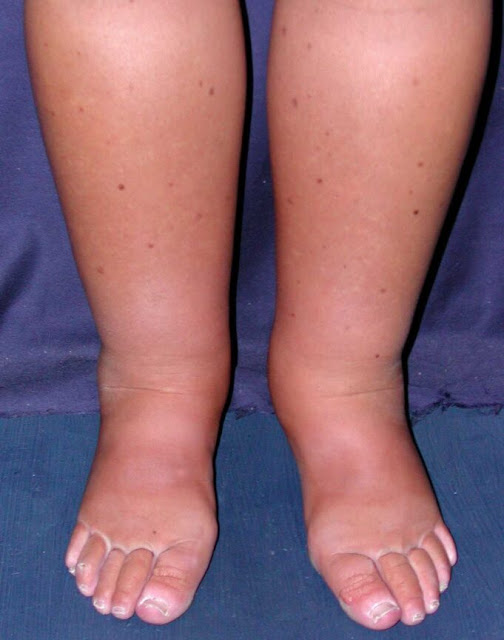
If you experience persistent or chronic swelling that is not relieved by methodical elevation or massage, it could be a sign of renal failure, and you may need to seek medical advice.

Liver Disease
The liver produces proteins required for fluid balance. Liver disease or cirrhosis affects the liver’s ability to perform this, resulting in fluid seepage into the abdomen, legs, and feet.

Along with swollen feet, you might notice a yellowish hue in the skin and eyes or experience more pronounced veins on the stomach. These symptoms should encourage a check-up for liver health.

Infection
Infections can cause the feet to swell, particularly in those with diabetic neuropathy or nerve damage in the feet. It’s important to look for signs of infection, which might include warmth, redness, and tenderness in the affected area.

If you have an infection that is causing swelling, it is vital to consult your healthcare provider to prevent the infection from spreading or worsening.
In summary, while swollen feet can sometimes be harmless and temporary, they might also signal more serious health conditions. Being aware of the accompanying symptoms and understanding when to seek medical advice can help in early detection and treatment of these underlying issues.