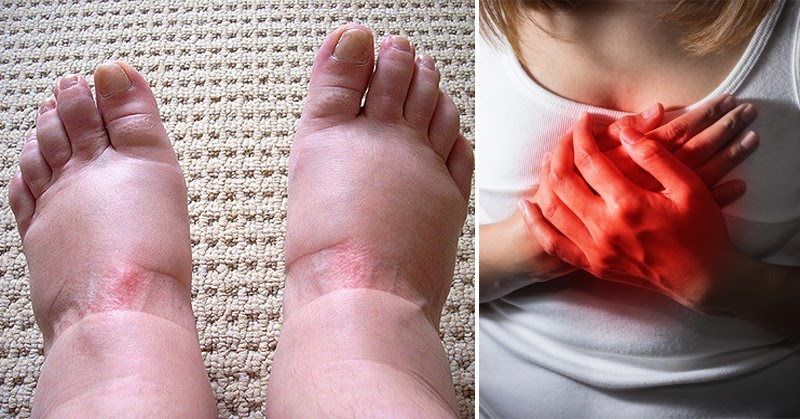
Swelling in the feet is something that can often be brushed off or associated with a long day on your feet. However, understanding when this symptom may point to something more serious is crucial, especially as we grow older. Here are some indications you should pay extra attention to.
Deep Vein Thrombosis
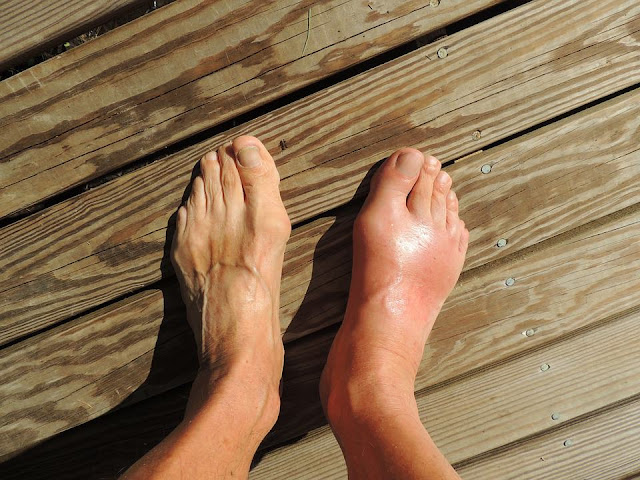
Deep vein thrombosis, or DVT, occurs when a blood clot forms in a deep vein, usually in the legs. Recognizing this can be tricky, but one of the tell-tale signs is swelling in one foot or leg. This kind of swelling should be monitored closely since DVT can lead to serious complications such as a pulmonary embolism.
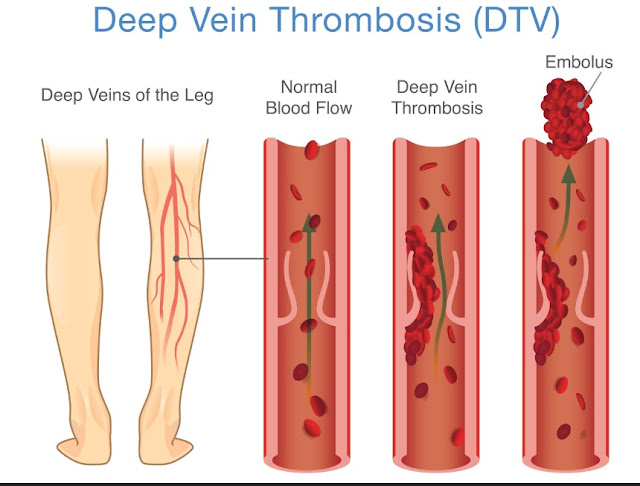
Along with the swelling, you might feel pain or tenderness in the affected area, and the skin can appear red or feel warm to the touch. If these symptoms happen, it’s important to see a doctor immediately.

Heart Failure
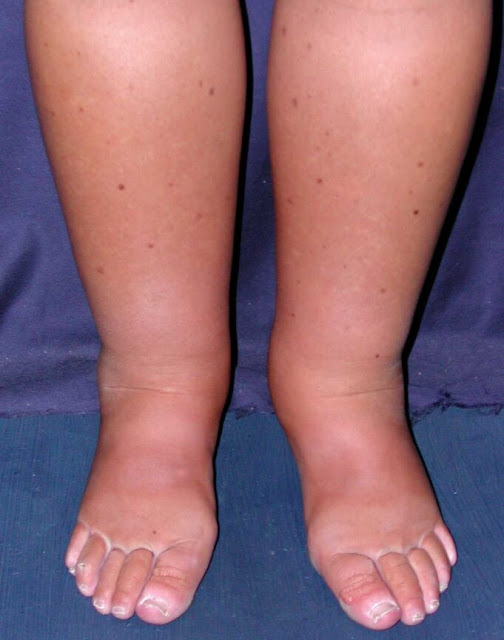
The heart’s role is to pump blood throughout the body. When it doesn’t work effectively, it can lead to a build-up of fluid, contributing to swelling in the legs and feet. This is known as edema. If you notice swelling that doesn’t go away overnight or worsens, it could be a sign of heart issues that require medical attention.
Besides swelling, symptoms like shortness of breath and persistent fatigue are also red flags. Contact your healthcare provider to discuss these symptoms and determine the root of the problem.

Kidney Disease
The kidneys have a vital job in filtering waste and extra fluid from your bloodstream. When they aren’t functioning properly, fluid can accumulate in your body, causing your feet and ankles to swell. This can be a sign of kidney disease or dysfunction, particularly if the swelling occurs along with other symptoms like changes in urination patterns.
Monitoring your blood pressure and visiting your doctor regularly can help manage kidney health and catch issues early.

Liver Disease
The liver plays a crucial role in regulating liquids and proteins in your body. When it’s damaged, it can cause fluid imbalances, leading to swelling in the feet and ankles. Liver issues can manifest in various ways, such as jaundice—a yellowing of the skin and eyes.
Early intervention is key, as liver damage can progress quickly if untreated. Routine liver function tests can help identify problems at an early stage.
These are just a few potential causes behind swollen feet that shouldn’t be ignored. If you’re experiencing persistent or severe swelling, it’s important to consult with a healthcare professional to determine the appropriate course of action and rule out any serious conditions. Taking charge of your health is important, and being attentive to changes in your body is a powerful first step.