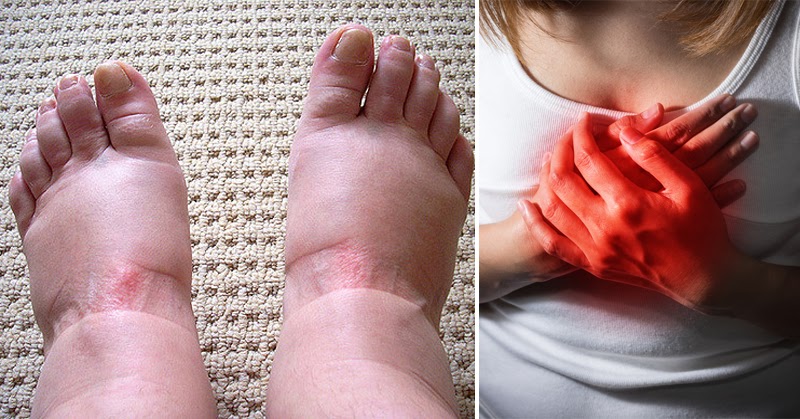
When it comes to our health, sometimes our bodies give us gentle nudges or clear alerts that something isn’t quite right. One common issue that can indicate a larger health concern is swollen feet. As we age, understanding these signals becomes even more crucial. Let’s take a look at some warning signs of swollen feet that should never be overlooked.
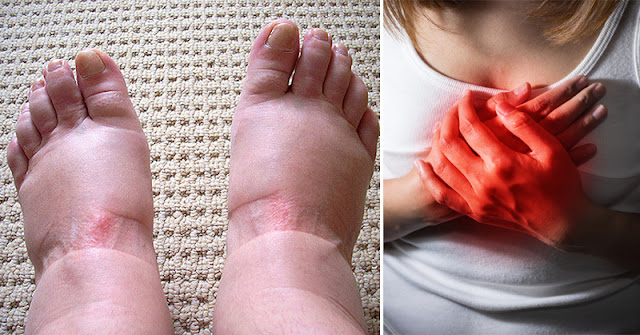
Deep Vein Thrombosis
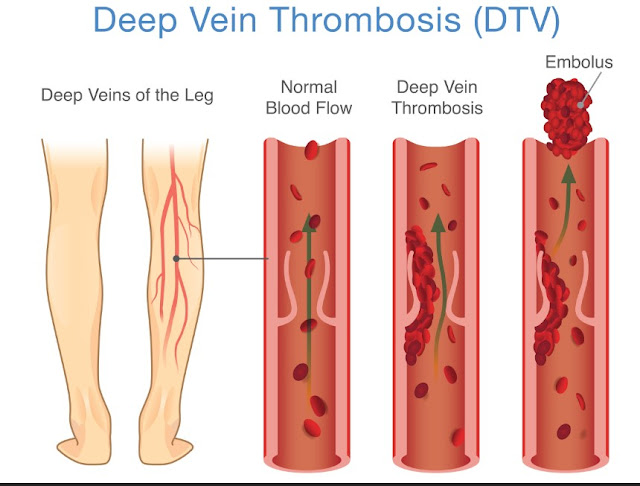
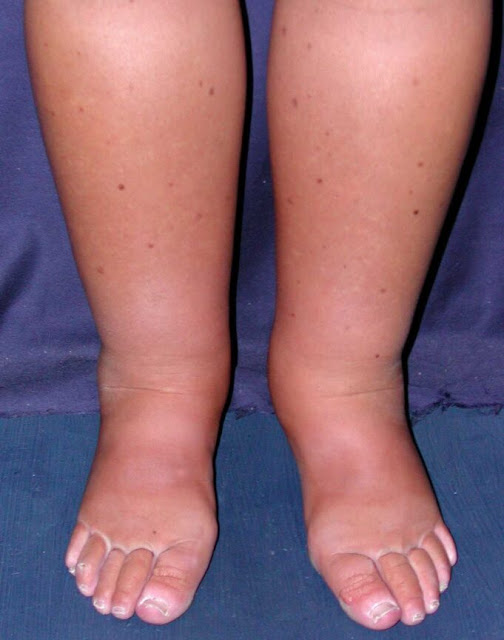
Swelling in the feet and legs could be a sign of deep vein thrombosis, or DVT. This serious condition occurs when a blood clot forms in a vein deep in your body, often in the legs. If you notice redness, pain, or swelling, it’s essential to contact a healthcare provider. They can determine whether or not you’re experiencing DVT, which needs prompt treatment to prevent complications like a pulmonary embolism.
Swollen feet aren’t just uncomfortable; they could also be crying out for your attention to underlying health issues. Don’t simply chalk it up to a long day on your feet. Let’s delve deeper into other possible causes of swelling in the feet and legs.
Heart Problems
Your heart is the body’s pump, sending blood throughout your body. When the heart isn’t working effectively, fluid can back up in your limbs, causing swelling. It’s not just the feet that swell but around the ankles and lower legs as well. If you notice that the swelling is persistent and accompanied by shortness of breath, it’s crucial to consult your doctor.
Kidney Disease
Your kidneys play a key role in removing waste and extra fluid from your body. However, if the kidneys aren’t functioning properly, fluid retention can occur, leading to swelling in the feet and ankles. This is especially true if the swelling is accompanied by symptoms like fatigue, nausea, or changes in urination patterns. Prompt medical advice is necessary to evaluate kidney health if these signs are present.

Liver Problems
Your liver is another organ involved in managing bodily fluids. It produces a protein that helps in retaining water in your bloodstream. If the liver is not functioning correctly, such as in cases of cirrhosis, it might not produce enough of this protein, leading to swelling, particularly notable in your feet. It’s important to pay attention to other symptoms like jaundice, fatigue, or unusual stool coloration and discuss them with your healthcare provider.
Additionally, let’s not forget about some simpler causes of swollen feet that, although less severe than the conditions previously discussed, require attention and action if they occur frequently.

Standing or Sitting for Long Periods
If you’re on your feet all day or sitting for long periods, gravity pulls fluid down into your legs and feet. While this is a normal response, if the swelling doesn’t reduce after a good night’s rest or elevating your feet, it might be time to consult a doctor.
Pregnancy
During pregnancy, the body retains extra fluid to support the developing baby. However, sudden or severe swelling can indicate more serious problems like preeclampsia and should be evaluated by a healthcare professional.
Always remember, while swollen feet can be a simple nuisance from standing or sitting too long, they can also be a sign of more significant health issues. Taking a proactive approach to any new or unusual symptoms will ensure you stay on top of your health and well-being.