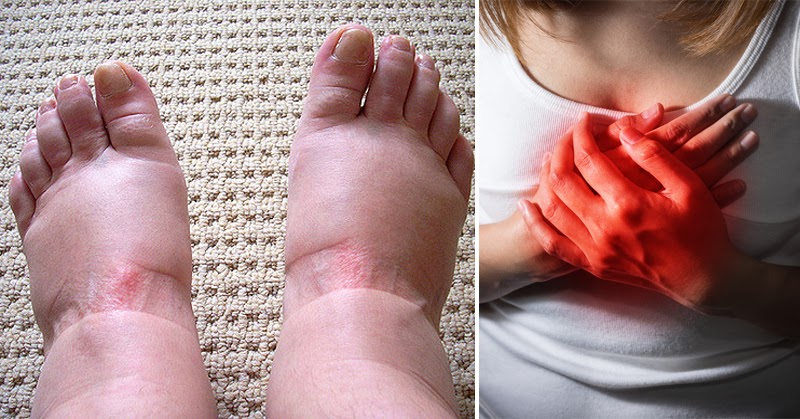
As we get older, it becomes increasingly important to pay attention to the subtle signals our bodies send us. One such signal is swelling in the feet, which can sometimes indicate underlying health issues. Let’s delve into some of the critical reasons why you might notice puffiness in your feet, so you know when it’s time to consult a healthcare professional.

Understanding Deep Vein Thrombosis
Swelling in one leg could indicate deep vein thrombosis (DVT), a condition where a blood clot forms in a deep vein, often in the leg. This is a serious condition as it can lead to complications if the clot travels to the lungs, causing a pulmonary embolism. Other symptoms of DVT can include tenderness, warmth, and skin discoloration in the affected area.

The Role of Heart Disease
Heart disease is another potential cause of swollen feet. If the heart isn’t pumping effectively, it can lead to fluid buildup, a condition known as edema. Keeping an eye on additional symptoms like shortness of breath, chest pain, or undue fatigue can provide further hints, indicating it’s time to discuss your heart health with a physician.

Liver Disease and Its Impacts
Another underlying issue that can cause swelling is liver disease. As the liver function deteriorates, it can affect the body’s ability to produce essential proteins that help with managing fluid in the body, leading to bloating in different body parts, including the feet.

Kidney Disease
Your kidneys play a crucial role in eliminating waste and fluid from your body. When they are not functioning correctly, this balance may be disturbed, leading to liquid accumulation and subsequent swelling. Consistent observation of foot swelling could be a signal to investigate renal health.

Infections in the Feet
Bacterial or fungal infections in the feet can cause localized swelling. Usually accompanied by signs like redness, warmth, pain, or a fever. Treating the infection promptly with the help of medication can prevent it from worsening.

Injuries and Swelling
Swelling can often result from an injury or trauma. Whether it’s a sprain, strain, or even a fracture, the body’s response is often to send extra fluids to the affected area to promote healing.

Poor Circulation
Swelling can be a consequence of poor circulation. Peripheral artery disease (PAD) can significantly affect circulation, leading to swelling. If you notice persistent swelling along with coldness in the feet or legs, it might be time to look into circulation health.

Medication Side Effects
Certain medications, including those for blood pressure and anti-inflammatory drugs, can lead to swelling as a side effect. Regularly reviewing your medications with your healthcare provider can help mitigate such issues.

While occasional swelling of the feet could be harmless, especially after a long day or due to your choice of footwear, it is crucial to be mindful of persistent or painful swelling. Keeping a record of symptoms and seeking medical advice can be life-saving as it allows early detection and treatment of more significant health concerns.