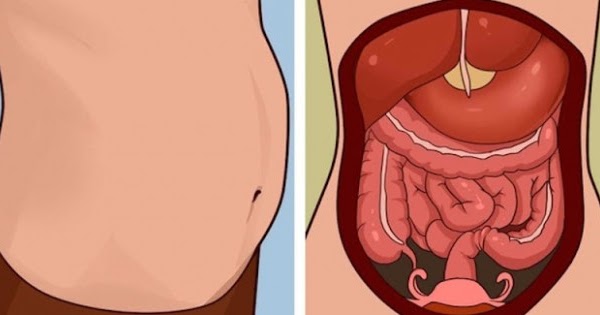
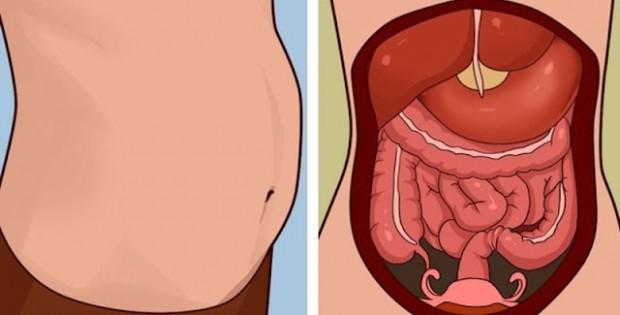
Have you ever felt like your stomach is making you look bigger than it should? You might not be dealing with extra weight; bloating could be the culprit. Bloating can make your belly feel swollen and uncomfortable, but don’t worry, there are ways to tackle it.
Why You Might Feel Bloated
Bloating can be caused by a variety of reasons, and understanding them is the first step in finding relief. Let’s explore some of the common causes of bloating.
1. Diet Choices
The food you eat plays a significant role in how your body feels. Consuming too much salty or processed food can cause water retention, making you feel puffy. Additionally, foods high in carbohydrates might also lead to bloating as they can be harder to digest.
2. Eating Habits
How you eat is just as important as what you eat. Eating too fast, talking while eating, or not chewing your food properly can cause you to swallow air, which leads to bloating.
3. Digestive Issues
Sometimes underlying digestive problems such as irritable bowel syndrome (IBS) or constipation can cause bloating. These conditions can affect how your intestines work, making it harder to pass food.
4. Food Intolerances
Your body may have trouble digesting certain foods, which can lead to bloating. Common culprits are dairy, gluten, and lactose. It’s helpful to keep track of what you eat to identify any patterns.
5. Lack of Exercise
Physical activity helps to move food through your digestive system. If you aren’t moving enough, your digestion might slow down, causing bloating.
6. Not Drinking Enough Water
Staying hydrated is essential for digestion. When you don’t drink enough water, it can cause your body to retain excess liquids, leading to bloating.
7. Hormonal Changes
Hormones play a significant role, especially for women. Many people experience bloating during their menstrual cycle due to fluctuating hormones.
8. Stress
Your mental wellbeing can impact your physical health. Stress can interfere with your digestion and cause your body to retain fluids, resulting in bloating.
9. Poor Sleeping Patterns
Not getting enough restful sleep can affect how your body processes food, and consistent lack of sleep can lead to digestive problems and bloating.
Proven Ways to Reduce Bloating
Now that we’ve looked at some causes, let’s focus on how you can relieve bloating. By making some lifestyle changes, you can start to feel better.
Eat Mindfully
Take your time during meals. Chew your food thoroughly and try not to talk while eating. This helps to reduce the amount of air you swallow, minimising bloating.
Balance Your Diet
Incorporate more fiber-rich foods and reduce your intake of salty and processed foods. Foods like fruits, vegetables, and whole grains can aid digestion and help prevent bloating.
Stay Hydrated
Ensure you drink plenty of water throughout the day. Staying hydrated helps your digestive system work more efficiently and can reduce water retention.
Increase Physical Activity
Incorporating regular exercise into your routine can greatly improve digestion and reduce bloating. Even a simple daily walk can make a difference.
Manage Stress
Practicing relaxation techniques such as deep breathing, meditation, or yoga can help manage stress and reduce its effects on your digestion.
Track Your Food
Keep a food diary to note how certain foods affect your body. This can help you identify food intolerances and eliminate them from your diet, if necessary.
Consult a Doctor
If bloating persists and is accompanied by pain or other symptoms, it’s important to seek medical advice. A doctor can help identify any underlying conditions that may need treatment.
By understanding what causes bloating and implementing these tips, you can begin to feel more comfortable in your own skin. Remember, small changes can lead to big improvements in your overall wellbeing.