
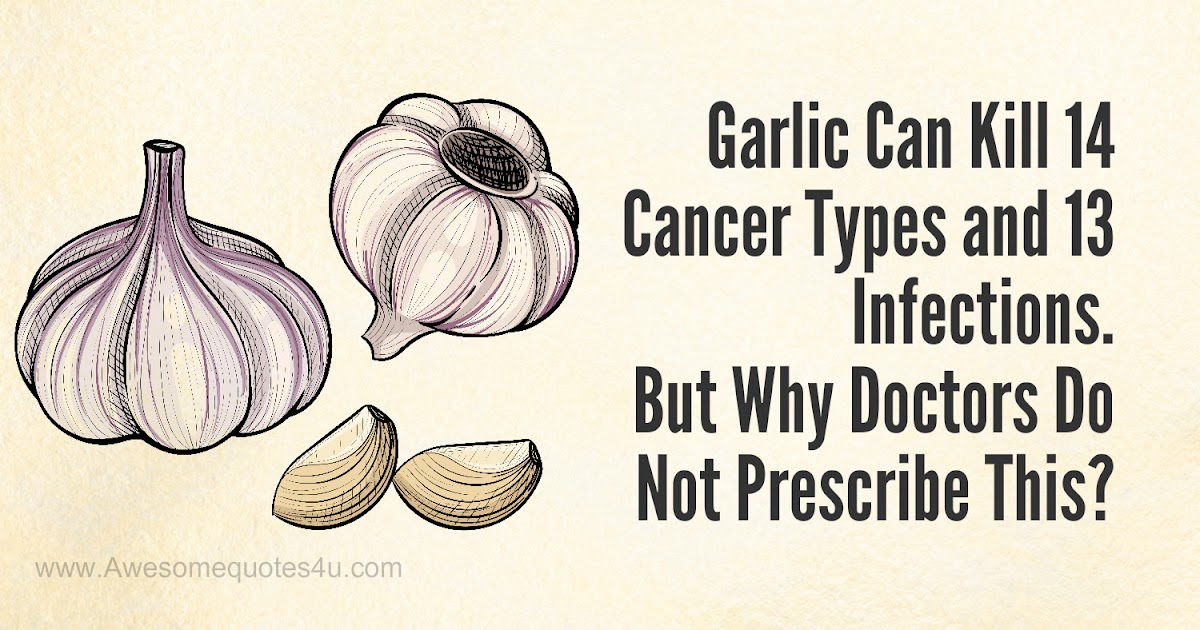
Garlic, Cancer, and Infections: What the Science Really Says—and Why Doctors Rarely Prescribe It
If you have heard claims that garlic can “kill” many kinds of cancer and beat a long list of infections, you are not alone. Garlic has been treasured for centuries, not just for taste, but for health. Today, it often pops up in headlines, videos, and friendly advice from neighbors and family. But with so much talk, it is helpful to sort out what is proven, what is promising, and what remains unproven. Just as important, it is worth understanding why your doctor is unlikely to write a prescription for garlic, even if it plays a helpful role in a healthy lifestyle.
Why Garlic Has Such a Big Reputation
Garlic is a staple in Mediterranean and Asian kitchens, and it has a long history in traditional medicine. When a garlic clove is crushed or chopped, it releases a sharp aroma. That smell comes from natural sulfur-containing compounds, especially a short-lived one called allicin. These compounds are what give garlic its signature bite, and they also explain much of the interest around its health effects.
In laboratory studies, garlic’s sulfur compounds show antioxidant and anti-inflammatory actions. They can interact with cell processes that influence how cells grow and respond to stress. This has led scientists to explore garlic’s potential against cancer cells and many microbes such as bacteria, fungi, and some viruses. These lab findings are exciting, but laboratory results are a first step, not a final answer about how a food or supplement works in real people.
Can Garlic Kill Cancer Cells? Understanding the Evidence
You may come across statements that garlic can “kill 14 types of cancer.” Here is what those bold claims are usually based on. In test tubes and in animal models, certain garlic compounds can slow the growth of, or damage, cancer cells. Researchers have tested these effects against a variety of cell types in the lab, including cells from the stomach, colon, liver, breast, prostate, and other tissues. In that controlled setting, the word “kill” often refers to cancer cells in a dish being weakened or destroyed by concentrated extracts or isolated chemicals from garlic.
The important point is that effects seen in a petri dish or in animals do not automatically translate into cures for people. The human body is far more complex, and the amounts, forms, and timing that would be needed to recreate those lab effects safely are not fully established. When we look at studies in people, the picture becomes more cautious and balanced. Some observational studies suggest that people who regularly eat garlic as part of their diet may have a lower risk of certain cancers, particularly cancers of the digestive tract like stomach and colorectal cancers. However, observational studies cannot prove cause and effect. People who eat more garlic may also have other healthy habits that reduce risk, such as eating more vegetables, using olive oil, or being more active.
Clinical trials that test garlic or garlic extracts against cancer in people are limited and mixed. So far, no high-quality human study has shown that eating garlic or taking garlic supplements can cure cancer or replace standard treatments like surgery, chemotherapy, radiation, or immunotherapy. In other words, garlic shows promise as part of a healthy pattern of eating, but it is not a stand-alone cancer treatment. Doctors do not prescribe it to treat cancer because there is not strong, consistent clinical evidence that it can prevent, treat, or cure the disease by itself.
What About Infections?
Garlic has also earned a reputation for tackling infections. In laboratory settings, garlic compounds have activity against a range of microbes. Researchers have shown that allicin and related molecules can affect bacteria that cause common problems, as well as some yeasts and molds. These findings help explain why garlic has been used traditionally when people feel a cold coming on, or to flavor broths when someone is under the weather.
But again, the difference between laboratory studies and real-world infections is big. In everyday life, infections occur in complex tissues and organs, and the amount of garlic compound that actually reaches those sites after you chew or swallow it is quite small and short-lived. For common colds, a few studies suggest garlic might slightly reduce how often people get sick, but the evidence is not strong enough to make firm promises. For bacterial infections that need antibiotics, garlic is not a substitute. It can be a comforting part of soups and meals, but it should not be relied upon to treat serious infections in place of medical care.
Some people also try putting raw garlic directly on the skin for infections. This can be risky. Raw garlic can irritate or even burn the skin, especially if left on for too long. For any skin infection, it is safer to talk with a clinician about proven treatments. Using garlic in your food is a gentler, safer way to enjoy its potential benefits.
So Why Don’t Doctors Prescribe Garlic?
It is a fair question. If garlic has interesting biology behind it, why is it not on a prescription pad? Doctors aim to recommend treatments that have been carefully tested in people, with clear dosing, known benefits, and predictable side effects. Garlic, as a food, varies widely in strength from bulb to bulb. Supplements also differ greatly in how they are prepared and how much active compound they deliver. Without consistent standardization, it is hard to prescribe an exact dose with confidence.
Another reason is that garlic can interact with medications. Garlic, especially in supplement form and at higher intakes, can thin the blood slightly. This may be helpful for some, but it can raise the risk of bleeding for people who take blood thinners or antiplatelet drugs. It is also a concern before surgery or dental procedures. There have been reports of garlic supplements affecting the levels of certain medications in the body, which can make those medications less effective or increase side effects. Because of these uncertainties and potential interactions, doctors prefer therapies that are better defined and easier to monitor.
There is also the matter of side effects and tolerance. Raw garlic can upset the stomach, cause heartburn, or lead to gas and bloating. Some people find the odor and aftertaste uncomfortable. While these issues are not dangerous for most, they are another reason doctors focus on treatments whose benefits clearly outweigh their downsides in rigorous studies.
Where Garlic Can Shine as Part of Your Health Routine
While garlic is not a prescription drug, it can be a valuable part of a balanced eating pattern. Diets that include garlic, such as the Mediterranean style of eating, have been linked with better heart health. Some research suggests that garlic may modestly support healthy blood pressure and cholesterol levels over time, especially when it replaces salt-heavy seasonings and is paired with more vegetables, whole grains, beans, fish, and healthy oils. These benefits are not instant, and they are not a cure-all, but they can add up as part of a long-term healthy lifestyle.
For immune wellness, garlic can be a flavorful ally. A hearty soup with garlic, onions, carrots, greens, and beans is warming and nourishing, particularly during colder months. The comfort of a good meal, the fluids, and the nutrients from whole foods do as much, if not more, for recovery than any single ingredient can. If you enjoy garlic and it agrees with you, it is a sensible addition to your kitchen.
How to Get the Most from Garlic in the Kitchen
A simple kitchen trick can help you capture more of garlic’s active compounds. When you chop, slice, or crush garlic, let it rest on the cutting board for about ten minutes before cooking. This pause allows the natural enzymes to turn the garlic’s building blocks into allicin, the compound responsible for much of the aroma and many of the studied effects. If you cook garlic right away, or cook it at very high heat for a long time, less allicin may remain.
Raw garlic has the strongest bite and may deliver more of the quick-forming compounds, but that does not mean you have to eat it raw to benefit. Gently sautéing garlic in olive oil, stirring it into a warm sauce toward the end of cooking, or spreading roasted garlic on whole-grain toast still brings flavor and potential value. Many people prefer the mellow sweetness of roasted garlic, which is easier on the stomach and the palate.
There are also aged garlic extracts and black garlic products on the market. These are processed in ways that change the mix of compounds, sometimes reducing the sharp odor while retaining antioxidant properties. Research on these forms is ongoing. If you choose a supplement, it is wise to discuss it with a healthcare professional first, particularly if you take medications or have a planned procedure. For most people, regular culinary use of fresh garlic remains a practical and enjoyable approach.
Safety First: Who Should Be Cautious
Garlic as a seasoning in food is generally safe for most adults. However, if you take blood thinners, antiplatelet medications, or high-dose anti-inflammatory drugs, you should check in with your clinician before adding large amounts of garlic or taking garlic supplements. Because garlic can slightly increase bleeding risk, many surgeons advise stopping garlic supplements one to two weeks before an operation or dental work. It is also wise to avoid applying raw garlic directly to the skin to prevent burns or irritation.
People with sensitive digestion, acid reflux, or irritable bowel symptoms may find that raw garlic triggers discomfort. In those cases, cooked garlic or smaller amounts may be easier to tolerate. If you are pregnant or breastfeeding, enjoying garlic in normal food amounts is typically fine, but be cautious about supplements unless your clinician agrees. If you live with chronic conditions or take several medications, a quick review with your doctor or pharmacist can help you avoid unwanted interactions.
What Doctors and Pharmacists Consider
Healthcare providers weigh the best available evidence. For garlic and many herbal products, the strongest proof of benefit from large, well-designed human studies is still developing. Providers also consider the quality and consistency of products. Two bottles of garlic supplements can vary, even if the labels look similar. When a therapy is not standardized, it is hard to predict results or to compare studies fairly. That is why clinicians often say, “Enjoy garlic in your meals, but do not rely on it to treat disease,” unless clear guidance changes with new research.
Another factor is safety across a wide population. A treatment that is harmless to one person can be risky to another. Doctors need to be confident that what they recommend will help most people most of the time. While garlic is a wonderful food, it does not meet the same criteria for prescription use that established medications do.
Practical Ways to Use Garlic Without Overdoing It
Making garlic part of everyday cooking is simple and satisfying. A pot of vegetable soup, a pan of sautéed greens with olive oil and garlic, baked fish with lemon and garlic, or a tomato sauce enriched with garlic and herbs are all easy choices. If the flavor is strong, cook it a little longer to soften the taste. If you like a brighter bite, add a minced clove toward the end of cooking. Pairing garlic with fresh parsley, basil, or lemon can also soften the aftertaste.
Remember that more is not always better. A clove or two in a dish for several people is often enough to bring out the flavor. If you are considering a supplement, think of it as an addition to, not a replacement for, a good diet, daily movement, sleep, and the treatments your clinician recommends.
Common Questions, Answered Clearly
Can garlic cure cancer? No. Laboratory research shows that garlic compounds can affect cancer cells in controlled settings, but no reliable human studies prove that garlic can cure cancer. It should never replace medically recommended treatments. Enjoy garlic as part of a healthy diet, and work closely with your cancer care team for proven therapies.
Can garlic replace antibiotics? No. While garlic compounds show antimicrobial activity in the lab, real infections need proper medical evaluation. Some infections are serious and require antibiotics or other targeted treatments. Garlic can complement a nourishing diet while you recover, but it is not a substitute for medical care.
Is raw garlic better than cooked? Raw garlic has more of the quick-forming compounds like allicin, but cooked garlic still offers value, especially when used thoughtfully. Letting chopped garlic rest for a few minutes before cooking can help preserve some activity. Choose the form that tastes good and sits well with your stomach.
Are odorless garlic supplements effective? Odorless products are processed to reduce smell, and some contain different compounds than fresh garlic. Studies vary, and quality differs among brands. If you are considering a supplement, ask your clinician or pharmacist to help you choose and to check for interactions with your medicines.
How much garlic is safe? Using garlic as a seasoning in normal amounts is safe for most adults. Larger supplemental doses may increase the risk of side effects or interactions, especially with blood thinners. If you plan to take a supplement, consult your healthcare provider about what is appropriate for you.
The Bottom Line
Garlic is a flavorful, time-honored ingredient with real biological activity. In the laboratory, its compounds can weaken cancer cells and challenge microbes, which is why you often hear bold claims. In everyday life, however, garlic is best viewed as a supportive part of a healthy eating pattern, not as a replacement for proven medical treatments. Doctors rarely prescribe garlic because product quality varies, dosing is uncertain, strong human evidence is limited, and there can be interactions with medications and procedures.
For most of us, the best approach is simple and satisfying. Cook with garlic regularly. Enjoy it alongside vegetables, whole grains, beans, fish, and olive oil. Let it rest after chopping, and use the form that tastes and feels right for you. If you take medications or have a planned procedure, check in with your clinician before using high amounts or supplements. With this balanced perspective, you can appreciate garlic for what it does well—enhancing meals, adding pleasure to the table, and playing a small but meaningful role in long-term wellness—while relying on your healthcare team and proven treatments for prevention and care when you need them.
This information is for general guidance and does not replace personalized medical advice. If you have questions about your specific situation, a conversation with your doctor or pharmacist is the best next step.



