
If you have noticed more hair in your brush or shower drain lately, you are not alone. Many of us, especially between our mid-forties and mid-sixties, begin to see hair thinning or extra shedding and wonder what we can do at home to care for our scalp and support stronger, fuller hair. Among traditional remedies, guava leaves have earned attention for their soothing, nourishing qualities. While they are not a miracle cure, they may help create a healthier scalp environment, which is a key part of reducing breakage and supporting the look of thicker hair over time.
In the following guide, you will find a friendly, easy-to-follow explanation of how guava leaves are used, what the science does and does not say, and a simple way to prepare a gentle rinse at home. The goal is to give you a calm, confident approach you can try safely, while keeping expectations realistic and encouraging you to check in with a professional when needed.
A gentle note before you begin
It is natural to feel excited when you hear about a hopeful solution. At the same time, it helps to know that most claims about any single ingredient completely stopping hair loss are too strong. Guava leaves have a long history in traditional care, and early laboratory research points to helpful antioxidant and calming properties. However, large, high-quality clinical studies in people are still limited. Think of guava leaves as a supportive step in a broader routine rather than a guaranteed fix. If you have sudden shedding, patchy hair loss, scalp pain, or medical concerns, it is wise to speak with a dermatologist or your primary care clinician.
Why guava leaves interest so many people
Guava is a tropical plant with leaves that are rich in natural compounds. These include vitamin C, flavonoids such as quercetin, and plant tannins. These compounds act as antioxidants, which means they help neutralize the everyday stressors that can affect both your skin and scalp. Many people also find that rinses made from the leaves feel calming on the scalp, especially if they experience itching or irritation. A comfortable scalp provides the right conditions for hair to grow to its full potential without unnecessary breakage.
Another reason guava leaves are popular is their mild, fresh scent and the fact that they are simple to prepare at home. Unlike heavy oils that can weigh hair down, a leaf infusion feels light and rinses easily. This makes it suitable for a variety of hair types, including fine or thinning hair that benefits from gentle care.
How guava leaves may support your scalp and hair
Healthy hair starts at the scalp. When your scalp is calm, clean, and balanced, hair strands are more likely to remain in place for their normal life cycle. Guava leaves are often used to help in a few ways that feel meaningful to everyday hair care. First, the antioxidant components in the leaves help counteract environmental stress. Second, many users say a guava leaf rinse makes their scalp feel soothed, which can reduce the urge to scratch. Excess scratching can loosen hairs that were close to shedding and can damage new growth, so a calmer scalp can be helpful.
Some laboratory studies have also explored whether compounds in guava leaves may help fight the growth of certain microbes on the skin. If your scalp tends to feel flaky or itchy, keeping it clean and comfortable can improve how your hair looks and feels. While a guava rinse will not replace medical treatments for conditions like severe dandruff or psoriasis, it may be a gentle complement to your usual routine.
What the science actually says
It is encouraging to see interest from researchers in guava leaf extracts and their potential benefits for skin and hair. Early studies often focus on properties such as antioxidant and anti-inflammatory effects, and some small experiments suggest a possible role in supporting the hair’s natural growth cycle. However, it is important to know that large clinical trials in people, especially trials that compare guava leaf rinses with standard treatments, are limited. In plain language, this means guava leaves can be a sensible, gentle addition to your routine, but they are not a proven cure for hair loss.
If your hair loss is related to hereditary pattern hair loss, hormonal changes, thyroid issues, low iron, certain medications, or autoimmune conditions, you may need additional help that a dermatologist or primary care clinician can provide. Many people combine home remedies like a guava leaf rinse with evidence-based options recommended by a professional, and that balanced approach can be very effective.
How to prepare a simple guava leaf rinse at home
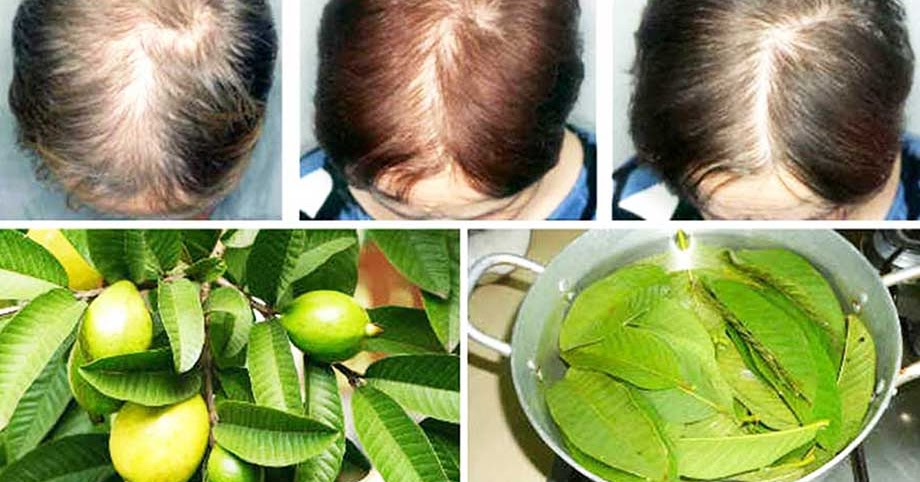
Making a guava leaf rinse is easy and can become a pleasant self-care ritual. If you have a fresh guava tree nearby, choose clean, healthy leaves. If not, many markets carry dried guava leaves for tea. Begin by rinsing a generous handful of fresh leaves under cool water, or measuring out a few tablespoons of dried leaves. Place the leaves in a small pot and add enough water to cover them by a couple of inches. Bring the water to a gentle boil, then reduce to a low simmer. Allow the leaves to simmer for ten to fifteen minutes so that the water takes on a light green or amber tint and a mild aroma.
After simmering, turn off the heat and let the mixture cool until it is comfortable to the touch. Strain out the leaves and transfer the liquid to a clean container. Some people enjoy adding a few drops of a mild, skin-friendly essential oil such as lavender, but this is entirely optional and should be avoided if you have sensitive skin. The finished rinse should feel like a warm, soothing tea for your scalp.
How to use the rinse for best results
Start with clean hair and a scalp that is free of heavy product buildup. After shampooing as usual, gently squeeze excess water from your hair. Slowly pour the cooled guava leaf tea over your scalp, taking your time to make sure it touches the skin beneath your hair, not just the strands. Use your fingertips to softly massage the scalp in small circles. This helps spread the infusion evenly and brings a sense of relaxation to the process.
Allow the rinse to sit on your scalp for ten to twenty minutes. Many people choose to let it stay in as a leave-in treatment if their scalp tolerates it well, while others prefer to lightly rinse with cool water before conditioning the ends of the hair. Either choice is fine. Begin by using the rinse once or twice a week and notice how your scalp and hair respond over a few weeks. If your scalp feels great, you can continue at that pace. If you ever notice irritation, reduce the frequency or stop and speak with a professional if symptoms persist.
A calm scalp massage that fits into your routine
A soothing scalp massage pairs beautifully with a guava leaf rinse. When you apply the infusion, use the pads of your fingers instead of your nails and make small, gentle circles from your hairline toward the crown and down to the nape of your neck. Think of it as caring for the skin on your head the same way you would care for the skin on your face. A few minutes of this kind of attention can increase comfort, help distribute the rinse, and turn a simple practice into a relaxing moment in your day.
What to expect over time
Most hair care changes, even good ones, take a little time to show up in the mirror. Hair grows slowly, and the growth cycle includes phases of resting and shedding that are normal. With consistent use of a gentle scalp routine, including a guava leaf rinse, people often report that their scalp feels calmer, their hair sheds a bit less during washing, and their strands feel a little stronger when they brush. These changes are usually gradual and become more noticeable over several weeks to a few months.
It is also common to have good days and not-so-good days with your hair. Try to watch the overall trend rather than focusing on a single day of shedding. If you are unsure whether you are improving, you might take a photo once a month in the same lighting to track your progress in a balanced way.
Who should be careful or do a patch test
Even natural ingredients can cause irritation for some people, especially if you have sensitive skin or a history of allergies. Before your first full scalp application, dab a small amount of the cooled guava leaf tea on the skin just behind your ear or on the inner forearm. Wait a full day and check for redness, itching, or discomfort. If everything feels fine, you can proceed with confidence. If you color or chemically treat your hair, test on a small section first to make sure you like how your hair feels after the rinse. If you are managing a scalp condition with prescribed treatments, ask your clinician whether a botanical rinse is appropriate between medicated applications.
Pairing guava leaves with healthy daily habits
Your scalp will thank you for a balanced approach. A nourishing diet that includes adequate protein, iron, zinc, and vitamins such as D and B12 supports the natural hair cycle from within. Gentle hair care, like using a soft brush, avoiding very tight hairstyles, minimizing high heat from dryers or irons, and choosing a mild shampoo, reduces unnecessary stress on your strands. Managing stress with movement, fresh air, or quiet time can also help, as stress is a well-known contributor to temporary shedding. In this bigger picture, a guava leaf rinse is one friendly piece of a puzzle that includes both inside and outside care.
When to talk with a professional about hair loss
If you notice sudden or patchy hair loss, scalp pain, scarring, or symptoms such as fatigue, weight changes, or brittle nails, it is important to check in with a healthcare professional. These signs can point to medical causes that deserve attention. A dermatologist can evaluate your scalp, order tests if needed, and discuss proven treatments. Options such as topical minoxidil, and for some people prescription medicines or procedures, have research to support their use. You can still keep your soothing rituals, like a guava leaf rinse, alongside the plan you develop with your clinician.
Frequently asked questions, answered simply
People often ask how long it takes to notice a difference. The answer is that comfort and reduced itchiness can be felt right away, while changes in shedding or the look of fullness usually take several weeks. Another common question is whether guava leaves can replace all other products. The most helpful approach is to think of them as a companion to gentle shampooing, light conditioning on the ends, and, when appropriate, medical guidance.
Some also wonder whether they need fresh leaves. Fresh leaves are lovely if you have access to them, but dried leaves work well and are easier to keep on hand. Prepare them in the same way you would make a cup of tea, just a bit stronger for your scalp. If you prepare more rinse than you need, let it cool completely and store it in a clean, covered container in the refrigerator for up to two days. Warm it to a comfortable temperature before use and discard it if it looks cloudy or smells different than usual.
Understanding expectations and staying encouraged
It is inspiring to read success stories, and you may very well find that your hair looks and feels better with regular use of a guava leaf rinse. The key is to stay kind to yourself and realistic about results. Most hair thinning has more than one cause, and positive change often comes from a combination of small, steady steps. If you are patient and consistent, you give your scalp the best chance to thrive.
Putting it all together in your day-to-day life
Consider choosing one or two days each week as your hair-care evenings. Brew your guava leaf infusion while you prepare for a bath or shower. Wash your hair gently, apply the warm, cooled rinse, and take a few minutes for a calming scalp massage. Enjoy the fresh scent, the relaxed feeling, and the simple satisfaction of caring for yourself. Over time, notice how your scalp behaves and how your hair responds. Adjust the steps to suit you, and do not hesitate to ask for a clinician’s input if you hit a plateau or if something changes.
A friendly reminder as you move forward
Guava leaves offer a time-honored, easy-to-prepare way to support a comfortable scalp and help your hair look its best. They are not a cure-all, but they can be a valuable part of an overall plan that respects both tradition and modern knowledge. With steady care, kind expectations, and professional guidance when needed, you can take confident steps toward healthier, happier hair at any age.
Final thoughts for confidence and care
As you try this gentle approach, listen to your scalp, take note of any changes, and celebrate small improvements. Keep what works, let go of what does not, and build a routine that feels natural and enjoyable. Your hair journey is uniquely yours, and with a calm, practical mindset, guava leaves can be a pleasant, supportive companion along the way.



