
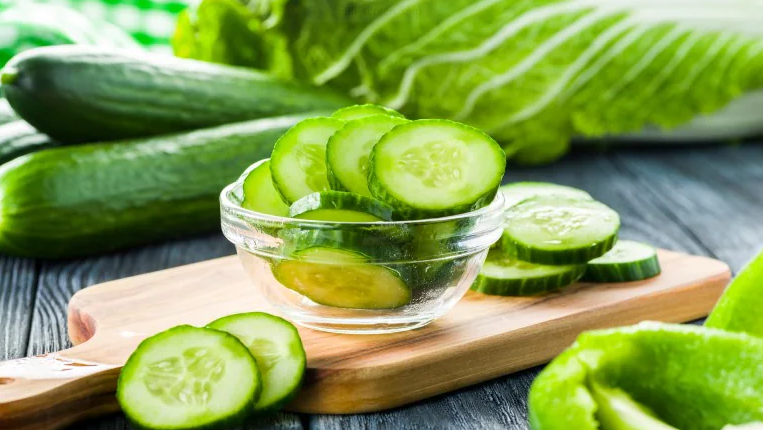
A simple, soothing evening snack that is kind to your body
Crisp, refreshing, and easy on the stomach, cucumber can be a smart choice when you want something light before bed. Many people in their midlife and later years look for nighttime snacks that do not cause discomfort, spike blood sugar, or interrupt sleep. Cucumber fits the bill for several reasons. It is mostly water, naturally low in calories, and gentle enough for most digestive systems. Enjoyed in the right way and at the right time, it can support comfort, hydration, and overall well-being as you wind down for the night.
Think of cucumber as a calming food. It offers a gentle crunch without heaviness, and it pairs easily with simple foods you may already have at home. When you focus on small portions and thoughtful timing—ideally about 30 to 60 minutes before bed—it can satisfy late-night hunger without setting you up for discomfort during the night.
What makes cucumber a smart evening choice
Cucumber is about 95 percent water, which makes it naturally hydrating. It also contains a small amount of fiber, along with helpful nutrients like potassium, vitamin K, and vitamin C. These qualities can support digestion, hydration balance, and overall comfort at night. Because it is low in sugar and calories, it tends to have a mild effect on blood sugar, especially when you pair it with a little protein or healthy fat.
Another reason cucumber works well in the evening is its cooling character. Many people notice that raw cucumber feels soothing, particularly on warm nights or after a salty dinner. Its crisp texture can satisfy the desire to nibble, while its mild flavor avoids the bite that sometimes leads to reflux or indigestion late in the day.
Benefit 1: Gentle hydration that does not have to disrupt sleep
Staying hydrated supports nearly every part of the body, from joints and muscles to skin and digestion. Cucumber provides a steady trickle of water with each bite, and that can be especially helpful after a day when you may not have had enough to drink. For many people, a small serving of cucumber in the evening helps top off fluid needs without requiring a large glass of water right before bed.
If nighttime trips to the bathroom are a concern, portion size and timing matter. A few slices 30 to 60 minutes before bedtime generally offer a comfortable balance of hydration without making you feel overfull. Pairing cucumber with a small spoonful of cottage cheese, yogurt, or a slice of cheese can make the snack more satisfying so you are not tempted to drink more fluid than your body needs at night.
Benefit 2: Comfortable digestion and a calmer stomach
Many people in their forties, fifties, and sixties prefer evening snacks that are light and easy on the gut. Cucumber’s mix of water and gentle fiber can support regularity and ease, especially compared to heavier or spicy foods that sometimes cause heartburn. The cooling nature of cucumber also feels soothing if your stomach is a bit sensitive at the end of the day.
If you are prone to bloating, there are simple ways to make cucumber even easier to digest. Try peeling the skin if it feels tough to you, or choose English or Persian cucumbers, which tend to be milder and have fewer seeds. Chew slowly and take your time—rushed eating is a common cause of evening discomfort. A small sprinkle of salt-free seasoning or a squeeze of lemon can add flavor without creating irritation.
Benefit 3: Help with weight and blood sugar balance
Late-night eating can be tricky when you are managing weight or paying attention to blood sugar. Cucumber offers a helpful solution. It is very low in calories yet provides a satisfying crunch, which can curb the urge to reach for cookies, chips, or other heavier snacks. Because cucumber has a low glycemic impact, it tends to keep blood sugar steadier than many refined evening treats.
For even more balance, enjoy cucumber with a little protein or healthy fat. A spoonful of hummus, a thin slice of turkey, a few olives, or a small portion of plain yogurt can turn cucumber into a light mini-meal that keeps you satisfied. This gentle approach can help you avoid blood sugar peaks and dips that sometimes interfere with deep, restful sleep. As always, if you are managing diabetes or taking medications that affect blood sugar, discuss your evening snack routine with your healthcare provider so it fits your plan.
Benefit 4: Support for heart-friendly habits
Good evening choices can support heart health over time, and cucumber is an easy one to reach for. Its natural potassium content can help balance the effects of sodium from earlier meals, and its hydration supports healthy blood volume. While no single food can change heart health by itself, small, steady choices add up. Swapping a salty, heavy snack for cucumber is one of those helpful swaps.
You might also appreciate that cucumber is naturally low in sodium and contains antioxidants found in many fresh vegetables. Enjoying it as part of an overall balanced diet—along with regular movement, managing stress, and following your healthcare provider’s advice—can contribute to a heart-friendly lifestyle without making evenings feel restrictive.
Benefit 5: A cooling, calming effect that eases the end of the day
Many people describe cucumber as refreshing and calming, especially in the evening. If warm nights or a late meal leave you feeling flushed or puffy, a small serving of cucumber can feel soothing. Its water content and lightness can help your body settle, and its natural plant compounds, including certain flavonoids, lend a gentle, balancing touch.
If you notice occasional puffiness in your hands or feet after a salty dinner, cucumber can be a comfortable choice while you unwind. Of course, if you have ongoing swelling or you are on a special fluid or sodium plan, it is wise to follow your provider’s guidance. For most people, though, cucumber’s cooling nature provides a pleasant, calming end to the day.
Benefit 6: Fresh-looking mornings with skin and joint support
Hydration in the evening can influence how you feel in the morning. Because cucumber helps with gentle fluid intake, it can support skin’s natural moisture balance overnight. Nutrients like vitamin C and vitamin K play supportive roles for skin and overall tissue health, while the trace mineral silica found in cucumbers is associated with connective tissue support. You may notice you wake up feeling a bit less parched, especially if your daytime fluid intake has been low.
While cucumber is not a cure-all, many people appreciate the subtle difference they feel the next day when they end the night with lighter, water-rich foods. When this becomes a simple, enjoyable habit, it can complement other healthy routines you already follow.
How to enjoy cucumber at night without overdoing it
A small portion works best in the later evening. A handful of slices or half of a medium cucumber is usually enough to satisfy without feeling too full. Consider enjoying it about 30 to 60 minutes before you plan to sleep, which gives your body time to settle comfortably. If you are prone to reflux, stay upright during that time rather than lying down immediately after eating.
Flavor can be simple and soothing at night. A dash of dried herbs, a sprinkle of pepper, or a squeeze of lemon can elevate the taste without making it heavy. If you want extra satisfaction, pair those cool slices with something small and protein-rich, like a spoonful of plain Greek yogurt or a thin slice of cheese. These additions help steady energy through the night without creating a large or rich meal.
Who might want to be a bit cautious
Most people can enjoy cucumber in the evening without issue, but it is always wise to listen to your body. If you find that raw vegetables bother your stomach, try peeling the cucumber or removing some of the seeds to make it gentler. If you experience typical cucumber burps, switching to an English or Persian variety—often called burpless—can make a noticeable difference.
If you follow a fluid restriction or you take medications that affect fluid balance, such as certain diuretics, be mindful of timing and portion so you do not exceed your plan. If you manage reflux, pay attention to personal triggers; while cucumber is usually mild, everyone’s system is different. And if you suspect any food allergy or oral sensitivity, especially to related plants, speak with your healthcare provider before making it a regular habit.
Answers to common questions about evening cucumber
People often ask whether cucumber will cause nighttime trips to the bathroom. A modest serving, enjoyed a little while before bed, typically provides comfortable hydration without making you feel overfull. If you already drink a lot of water late at night, consider easing up slightly and letting the cucumber provide part of your fluid instead of adding more on top.
Another question is whether cucumber can lead to bloating. For most people, it does not. If you do notice sensitivity, try peeling the skin, choosing a burpless variety, and eating slowly. Sometimes it is the speed of eating or what you paired the cucumber with—such as a very salty dip—that causes the discomfort rather than the cucumber itself.
Many also wonder if pickles offer the same benefits. While pickled cucumbers can be tasty, they are usually higher in sodium and sometimes contain added sugar, which may not be ideal at night for those watching blood pressure or blood sugar. Fresh cucumber is the gentler choice in the evening, especially if you aim for calm digestion and steady sleep.
People managing blood sugar ask if cucumber is safe at night. The answer is generally yes, because cucumber is low in carbohydrates and has a mild effect on blood sugar. Pairing it with a small amount of protein or healthy fat can make it even more satisfying and stable. As with any health condition, personal guidance from your provider is best.
Simple ways to make cucumber your go-to nighttime nibble
Comfort and routine go hand in hand. Keep a cucumber washed and ready in the refrigerator so reaching for it is effortless. When evening hunger shows up, slice a few rounds, add a spoonful of plain yogurt or hummus on the side, and sit down to enjoy it slowly. Paying attention to each bite helps your body recognize that you are satisfied, and it makes a small snack feel complete.
If you like a little extra flavor, try a shake of no-salt seasoning or dried dill. A light drizzle of olive oil can add richness without heaviness. If you prefer a bit of tang, a squeeze of lemon or lime brightens the taste and supports that refreshing feeling many of us look for at day’s end.
Putting it all together for restful nights
Choosing cucumber at night is a small, friendly habit with several payoffs. The hydration is gentle, the digestion is calm, the calories are low, and the taste is clean and refreshing. When you add a tiny portion of protein, you create a balanced snack that satisfies without weighing you down. If you pay attention to portion and timing, it can fit neatly into your evening routine, helping you drift into sleep feeling comfortable rather than overly full.
Like all healthy choices, this is not about perfection. It is about finding what helps you feel your best. For many adults in their forties through sixties, a few cool slices of cucumber feel like a simple kindness at the end of a busy day. Give it a try for a week, notice how your body responds, and adjust in a way that suits your needs. You may discover that this humble vegetable becomes your favorite easy evening companion.
A friendly reminder before you begin
If you have medical conditions, follow the advice of your healthcare provider regarding nighttime eating, hydration, and any dietary restrictions. Cucumber is generally safe and gentle, but every body is unique. With a bit of awareness and the simple tips above, you can enjoy its cool crunch and the six nighttime benefits it brings—hydration, digestive comfort, weight and blood sugar support, heart-friendly habits, a calming end to the day, and a fresher feeling in the morning.



