
A quick, practical household tip that really works
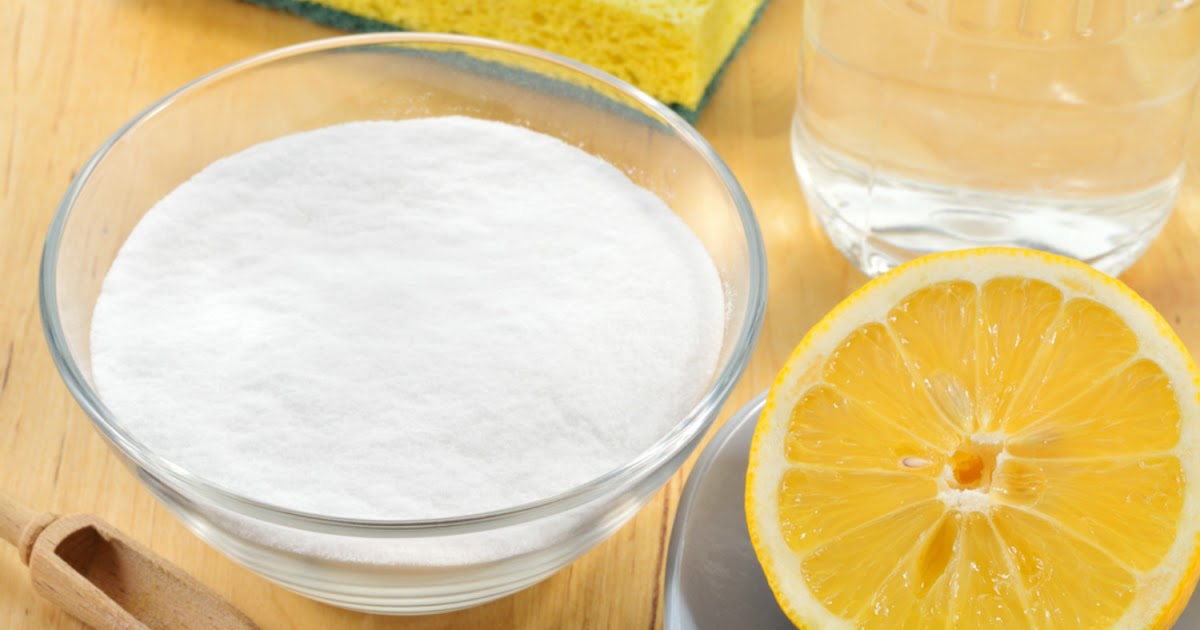
If you enjoy home remedies that are easy, affordable, and actually get the job done, this simple pairing is worth trying. The idea is as old as your favorite kitchen cookbook: take half a lemon, dip the cut side into baking soda, and use it to clean, deodorize, and brighten everyday surfaces. It is gentle, it is effective, and it often replaces stronger chemical cleaners for many common tasks.
Many of us grew up seeing our parents or grandparents rely on humble ingredients like lemons and baking soda. Today, that same combination still shines. For busy homes and quiet homes alike, it brings a fresh scent, a bright finish, and a sense of satisfaction without harsh fumes. If you like solutions that feel safe, straightforward, and budget-friendly, this one is a wonderful addition to your routine.
Why this duo works so well
Lemon juice is naturally acidic and helps loosen mineral deposits, soap scum, and light stains. Baking soda is a mild alkali with a fine, gentle grit that lifts grime without being too rough. When you dip the juicy side of a lemon into baking soda and touch it to a surface, the two react and create a soft fizz. That fizz helps break up residue while the lemon’s natural oils leave a pleasant, clean fragrance.
The result is a cleaner you can hold in your hand. It is easy to control, simple to rinse away, and leaves no heavy chemical smell. For many quick cleanup jobs, especially in kitchens and bathrooms, it is a reliable go-to.
Before you begin: a few quick safety notes
As with any cleaner, a little care goes a long way. Test on a small, hidden spot first, especially if a surface is new to you. Avoid using lemon and baking soda on natural stone like marble, limestone, or granite, because acids can etch or dull the finish. Skip unsealed wood and delicate finishes that can be damaged by moisture or abrasion. Keep the mixture away from aluminum, and be cautious with brushed stainless steel by testing a discreet area first. Do not combine this method with bleach or strong chemical cleaners. Rinse well and dry thoroughly after cleaning. If you have sensitive skin, consider wearing simple kitchen gloves.
How to use half a lemon with baking soda
Cut a fresh lemon in half so that you have a flat, juicy surface. Sprinkle a tablespoon or two of baking soda onto a small plate. Press the cut side of the lemon into the baking soda so it coats the surface. You will see gentle bubbling where the juice meets the powder. Use the lemon like a cleaning sponge, guiding it over the area you want to clean with light, even pressure. Let the fizz do most of the work. For tougher spots, allow the lemony layer to sit for a minute or two, then wipe or rinse away with warm water and a clean cloth. Re-dip the lemon in baking soda as needed to refresh the cleaning action.
If you prefer a paste for vertical areas or tight corners, squeeze a bit of lemon juice into a small bowl and stir in baking soda until you get a spreadable texture. Apply with the lemon half or a soft cloth, wait briefly, and then rinse well.
In the kitchen: quick wins you will notice right away
Cutting boards are an excellent place to start. After washing with soap and water, take your baking-soda-dipped lemon and rub the board to lift lingering odors from onions, garlic, or fish. Rinse thoroughly with warm water and dry upright. The board will feel refreshed and smell bright and clean.
Stubborn spots in the sink often respond nicely too. On porcelain or stainless steel sinks, the lemon and baking soda help loosen water marks and mild discoloration left by coffee, tea, or daily use. Move in small circles, then rinse away the residue and dry with a towel for a satisfying shine. Take care with specialty finishes and always test first.
Stovetop spills can be tackled as soon as surfaces are cool. The gentle abrasive action helps lift dried splatters without scratching like a scouring pad might. For glass cooktops, be extra gentle. A brief test on a corner can tell you whether this method is right for your surface. Always wipe completely clean and polish dry.
Microwave odors can build up from reheated meals. Wipe the inside with a damp cloth first, then use the lemon half dipped in baking soda on stubborn splatters and corners. Rinse with a clean, wrung-out cloth and leave the door open for a few minutes to air out. The fresh citrus scent is a welcome change without perfumed sprays.
The inside of the fridge benefits as well. After removing items from a shelf, lightly rub any sticky spots with your lemon and baking soda. Rinse using a clean, damp cloth and dry before returning food. You will enjoy the clean look and the crisp, subtle lemon scent that fades as the surface dries.
Food containers that have held tomato sauce, curry, or chili often keep a stain or smell. A brief scrub with lemon and baking soda can help reduce discoloration and freshen the container. Rinse well to remove all residue, and let it dry completely before storing.
Even the oven-door glass can look better with a little patience. Spread a small amount of baking soda, apply lemon juice from the half you are using, and let the gentle foam sit for a few minutes. Work it carefully, then wipe away with warm water. Repeat if needed for baked-on film, always avoiding the rubber gasket areas and any delicate coatings.
In the bathroom: bright, fresh, and less scrubbing
Faucets and handles tend to collect water spots and a dull film. A quick pass with the lemon and baking soda brightens them up. Rinse well to protect the finish, then buff dry with a soft towel for a spot-free look. Use light pressure and test if you are unsure about the finish.
Shower glass and tiles can collect soap scum and mineral deposits. Work in sections with gentle motions, allow the foam to rest briefly, and then rinse thoroughly. Drying with a towel afterward helps keep spots from returning too quickly. For grout, a small dab of paste worked in with the lemon edge can freshen lines, followed by a careful rinse. Avoid natural stone tiles or stone shower sills where lemon juice can etch.
The bathtub ring that appears after a soak often responds quickly to a lemon-and-baking-soda pass. Move evenly around the tub, let it sit for a moment on stubborn areas, and rinse completely. Finish by drying with a towel to prevent new water marks.
Around the house: simple ideas that make a difference
Trash bins can hold on to smells even after they are emptied. After washing the bin with warm soapy water, rub the interior with the lemon half dipped in baking soda. Rinse and dry. The bin will feel much fresher. For regular upkeep, sprinkle a small amount of dry baking soda at the bottom under the bag to help absorb odors between deep cleanings.
Some metal items, such as certain brass or copper pieces, can look brighter with a light touch of lemon and baking soda paste. Always test a hidden area first and do not use on lacquered or coated items. Rinse and dry immediately to avoid spotting.
Doorknobs and light switch plates can benefit from a simple wipe with a damp cloth followed by a cautious pass with your lemon mixture for sticky fingerprints. Follow up with a gentle rinse cloth and dry. If disinfection is needed, use an appropriate product after you clean, and then dry again.
For laundry odors, baking soda is the star. A half cup added to the wash helps neutralize smells. If you wish to pretreat a small stain with lemon, test on an inside seam first and avoid using lemon on delicate fabrics or bright, color-unstable items. Rinse any pretreatment thoroughly before laundering normally to prevent discoloration.
Answers to common questions
Many people wonder whether this method will scratch surfaces. Baking soda particles are fine and considered a very mild abrasive. On most hard, durable finishes it is gentle, but caution and light pressure are wise. Always test an out-of-the-way spot before committing to a larger area.
Another question is whether it is safe for food-contact surfaces. After cleaning cutting boards, countertops, or containers, rinse the area thoroughly with warm water and allow it to dry. Proper rinsing removes any remaining lemon or baking soda so you are left with a clean surface.
What about the scent? The fresh lemon aroma is pleasant and usually fades as the surface dries. There is no heavy perfume or chemical odor lingering afterward, which many people appreciate.
Does it replace every cleaner in the cabinet? Not entirely. Some jobs call for specialty products, especially for disinfection or for materials that cannot handle acid or abrasion. Think of lemon and baking soda as a reliable first choice for everyday messes and many stains, with a few sensible exceptions.
When not to use lemon and baking soda
Natural stone, including marble, granite, travertine, and limestone, should not be cleaned with lemon because acids can etch the surface. Avoid aluminum and be cautious with brushed stainless steel. Skip unsealed wood and any delicate finishes that may spot or cloud. Do not use on electronics, screens, or camera lenses. For cookware, do not apply on seasoned cast iron, as it can strip the seasoning. Keep the mixture away from jewelry such as pearls, opals, or soft gemstones. Most importantly, do not combine lemon or any acidic cleaner with bleach or products containing bleach, and avoid mixing it with other strong chemicals.
Make the most of what is left
When you are done cleaning, you can still get a little more life from the lemon half. If you have a garbage disposal, a brief grind of small lemon pieces with cool water can help freshen the chamber. If you do not have a disposal, place the leftover lemon in the refrigerator on a small dish for a day to gently scent the air, or add it to your compost bin. Baking soda can be stored in a small open container to absorb odors inside the fridge or pantry until it no longer smells fresh.
Eco-friendly, budget-friendly, and satisfying
One of the nicest parts of this method is how inexpensive it is. A single lemon and a small amount of baking soda take the place of multiple specialty cleaners for many everyday situations. You will likely recognize the improvement right away, and your home will smell naturally fresh rather than perfumed. It is a practical choice if you prefer fewer bottles under the sink and simpler ingredients on your shelves.
There is also a comfort in knowing exactly what you are using around your kitchen and bathroom. For many households, especially those aiming to simplify, this approach fits beautifully. It is gentle on your budget, straightforward to use, and easy to rinse away. A few minutes of cleaning with something as familiar as a lemon can make a space feel cared for and welcoming.
A simple plan to try today
Choose one small area that would benefit from a quick refresh, such as a cutting board, the kitchen sink, or a faucet that shows water spots. Gather one lemon, a small plate with a spoonful or two of baking soda, a clean cloth, and some warm water for rinsing. Dip, gently scrub, let it sit briefly if needed, and rinse thoroughly. Dry with a towel to finish. Notice the difference in appearance, the light citrus scent, and the satisfaction that comes from a job done well with simple tools.
Once you see how effective this is, you may find yourself reaching for lemon and baking soda whenever you want a quick clean that feels fresh and natural. It is not complicated, it does not take long, and it helps your home look its best without harsh chemicals.
A final word of encouragement
If you appreciate practical, time-tested ideas, this one deserves a place in your routine. Half a lemon and a bit of baking soda can help you keep your kitchen and bath looking bright with minimal fuss. With a few common-sense precautions and a gentle touch, you will enjoy clean surfaces, a fresh scent, and that pleasant feeling of order that makes daily life easier. Give it a try on a small spot today, and see how a simple, natural approach can deliver truly satisfying results.



