
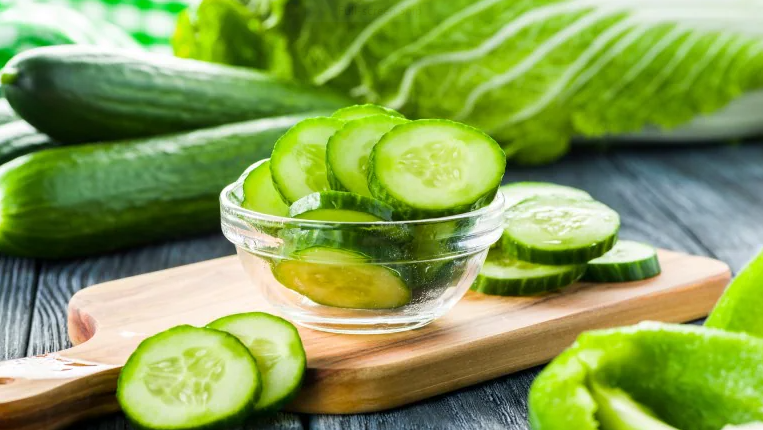
A gentle evening snack with real benefits
When nighttime hunger comes calling, it is tempting to reach for something sweet or salty. A simple plate of cucumber slices can be a kinder choice for your body, especially as we get older and want to support restful sleep, steady digestion, and heart health. Cucumbers are light, refreshing, and easy to prepare, making them a smart late-evening snack that feels satisfying without weighing you down.
Many of us grew up enjoying cucumbers in salads or sandwiches, but they are also wonderful on their own in the evening. Below you will find six practical benefits of enjoying cucumber at night, along with simple tips to make this habit work for you. The goal is comfort, not complication: a few crisp slices can go a long way toward feeling better before bed.
Benefit 1: Helps you stay comfortably hydrated overnight
Cucumbers are made up of mostly water, which means they can help you top up your fluids without feeling heavy. For anyone who wakes up feeling parched or with a dry mouth, a small serving of cucumber in the evening can be a gentle, food-based way to support hydration. Proper hydration can also help ease nighttime leg cramps and keep joints feeling more comfortable when you wake up.
Because cucumbers are so water-rich, portion size matters. If you tend to wake for bathroom trips, try a modest serving and enjoy it 30 to 60 minutes before bed. This timing gives your body a chance to digest and settle, so the refreshing crunch can be part of a calming routine rather than a reason to toss and turn.
Benefit 2: Kind to digestion and may reduce nighttime reflux
Late-night snacks can sometimes lead to indigestion. Heavy, spicy, or greasy foods are common culprits, and many people notice that acidic foods set off heartburn. Cucumbers are naturally low in acidity and gentle on the stomach. Their soft, fresh texture makes them easier to handle than many other snacks, and their water and fiber content can promote comfortable digestion.
If you have a sensitive stomach, a few simple tweaks can make cucumbers even easier to enjoy. Peeling the skin and scooping out the seeds can reduce roughage if raw vegetables sometimes bother you. Keeping portions small is helpful, as is avoiding rich dressings. If you struggle with reflux, consider pairing cucumbers with a small spoonful of plain yogurt or a light smear of soft cheese rather than something spicy or vinegary. Pickled cucumbers can be tasty, but the vinegar and salt often found in pickles are not ideal before sleep and may aggravate reflux or bloating.
Benefit 3: Supports a healthy heart and comfortable blood pressure
As we age, caring for our hearts becomes more important than ever. Cucumbers are naturally low in sodium and offer a bit of potassium, a mineral that helps balance fluids in the body. Choosing a low-salt, plant-forward snack like cucumber can be a sensible step in a day that supports steady blood pressure. It is a small choice, but repeated over time, these small choices add up.
If you watch your salt intake, cucumbers can satisfy that evening craving without sending sodium levels soaring. Try to avoid heavy salting, and be careful with store-bought dips that may be high in sodium. If you are managing kidney concerns or have been advised to follow a potassium-restricted plan, speak with your clinician or dietitian about portions that make sense for you. For most people, a small bowl of cucumber slices is a heart-friendly, refreshing option.
Benefit 4: Weight-friendly choice that satisfies a snack craving
Evening hunger is common, and it can be especially challenging if you are aiming to manage weight or blood sugar. Cucumbers are very low in calories and bring a satisfying crunch that can replace chips, crackers, or sweets. Choosing a light, simple snack at night can help you go to bed feeling comfortable rather than overly full.
For stable energy and fewer cravings, pair cucumbers with a small portion of protein or healthy fat. A spoonful of cottage cheese, a few bites of plain yogurt, or a thin spread of hummus can make the snack more filling without turning it into a heavy meal. This gentle combination can support steadier blood sugar through the night, which many people find helpful for more restful sleep and fewer early-morning hunger pangs. Keep the flavors mild and the portions modest to avoid digestive upset close to bedtime.
Benefit 5: Calming nutrients that can complement good sleep habits
No single food guarantees perfect sleep, but some food choices are more sleep-friendly than others. Cucumbers provide small amounts of magnesium and B vitamins, and their high water content can help reduce the chance of nighttime muscle cramps. The cool, refreshing taste can also be part of a soothing bedtime routine, signaling to your body that it is time to wind down.
Think of cucumber as one piece of a restful evening. Dim the lights, put away bright screens, and take a few minutes to sit and savor your snack. Eating slowly gives your body time to register satisfaction and keeps you from overdoing it. Finishing your cucumber 30 to 60 minutes before bed gives your stomach time to settle, leaving you comfortable and ready for sleep.
Benefit 6: Gentle support for skin and joint comfort
Hydration, antioxidants, and plant compounds in cucumbers can be kind to your skin and joints over time. While a single snack will not transform your complexion, adding water-rich, low-salt foods to your day may help reduce morning puffiness caused by saltier snacks. Cucumbers also contain a small amount of vitamin C and other protective plant compounds that support overall wellness.
Some people appreciate the subtle anti-inflammatory nature of a plant-forward evening snack. Choosing cucumbers instead of processed, salty foods reduces the extra burden on your body. Together with good hydration, moderate movement during the day, and adequate sleep, this simple habit can play a part in feeling more limber and refreshed in the morning.
Simple ways to enjoy cucumber in the evening
There is no need for complicated recipes at night. A few slices of cool cucumber can be satisfying all by themselves. If you enjoy a bit of flavor, add a sprinkle of dried herbs or a squeeze of lemon earlier in the evening so the acidity has time to settle. For a creamier option, pair your cucumber with a small spoonful of plain yogurt. The mild protein can make the snack a touch more filling without making it heavy.
If raw vegetables sometimes feel too rough late at night, try peeling the cucumber and removing the seeds. Cut the slices a little thinner and chew well. Another gentle approach is a very quick warm sauté earlier in the evening. A brief softening on the stove with a drop of olive oil can make cucumber easier to digest while still keeping it light. Allow it to cool before eating so it feels soothing rather than stimulating.
Smart portion and timing tips for restful sleep
Portion and timing matter when you eat close to bedtime. A cup of sliced cucumber is enough for most people and keeps it feeling like a snack rather than a meal. Enjoy your cucumber 30 to 60 minutes before you plan to sleep. This window allows your body to digest comfortably and lowers the chance of a bathroom trip interrupting your rest. If nighttime urination is a concern, try a slightly smaller serving and see how you feel the next morning.
Pay attention to what you add. Extra salt can lead to thirst and puffiness, which is the opposite of what most of us want in the morning. Stick to light, simple seasonings and avoid heavy dressings. If you have diabetes or are watching your blood sugar, pairing cucumbers with a little protein can help smooth out glucose levels overnight. If your goal is weight loss, this combination can also curb late-night cravings without many extra calories.
When to be cautious and how to personalize the habit
While cucumbers are gentle for most people, a few situations call for caution. If you have chronic kidney disease or follow a potassium-restricted plan, talk with your clinician or dietitian about the right portion for your needs. If you take a diuretic or another medication that affects fluid balance, it is wise to check in about evening snacks that add extra water to your system.
If you take a blood-thinning medication and track your vitamin K intake, cucumbers provide a modest amount of vitamin K. Consistency is key. Keeping your intake steady day to day is usually more important than avoiding foods entirely. If reflux or indigestion is a frequent bother, avoid pickled cucumbers before bed because vinegar can be harsh late at night. Raw cucumbers are generally low in fermentable carbohydrates, but if you are sensitive to fiber close to bedtime, peel and deseed them or enjoy a smaller serving earlier in the evening.
Answers to common questions about cucumbers at night
Some people wonder whether eating after dinner is always a bad idea. A light snack can be helpful, especially if going to bed hungry leads to waking up in the night. The key is keeping it small and gentle. Cucumbers fit that pattern well. Another question is whether the water in cucumbers will cause extra bathroom trips. It can for some, which is why timing and portion matter. Start small and notice how your body responds.
Others ask if cucumbers cause bloating. In general, cucumbers are less likely to cause gas than many other raw vegetables. Still, individual responses vary. If you occasionally notice bloating, peel the skin, scoop out the seeds, and keep the serving small and simple. Finally, people sometimes ask if cucumbers are nutritious enough to be worth it. While they are not a powerhouse like dark leafy greens, cucumbers offer hydration, a bit of fiber, and small amounts of vitamins and minerals with almost no calories, making them a smart part of an overall balanced day.
Putting it all together for a comfortable night
Choosing cucumber as an evening snack brings together several small, helpful advantages. You get a boost of hydration in a light, refreshing package. You support digestion without overeating, and you pick a food that is naturally low in sodium and gentle on the stomach. When paired thoughtfully with a little protein and enjoyed at the right time, cucumbers can help you head to bed feeling settled rather than stuffed.
If you are between 45 and 65, or older, and thinking about long-term health, these modest choices count. A quiet routine, a simple snack, and attention to how your body feels are practical steps toward better sleep and steadier days. Give cucumbers a try in the evening this week. Adjust the portion, timing, and pairings until it suits you. Your goal is an easy habit that feels good, helps you rest, and fits your life without fuss.
The bottom line
A small bowl of cucumber in the evening is an easy, friendly habit with real benefits. It helps with hydration, can be soothing for digestion, is gentle on blood pressure, supports weight goals, and offers a calm, refreshing close to the day. Keep the serving modest, choose simple seasonings, and pay attention to how your body responds. Over time, you may find that this crisp, cool snack becomes a favorite part of winding down and waking up feeling better.



