
A friendly guide for curious readers who have heard the hype
Every so often, a simple home remedy pops up that promises big results. Baking soda shampoo is one of those ideas that keeps making the rounds, often with bold claims about growing thicker, longer hair as if by magic. If you are between 45 and 65 and exploring gentle, sensible ways to care for your hair and scalp, this guide offers a clear, easy-to-understand look at what baking soda can and cannot do. You will find practical tips, cautions tailored for mature hair, and a realistic picture of results, so you can decide what feels right for you.
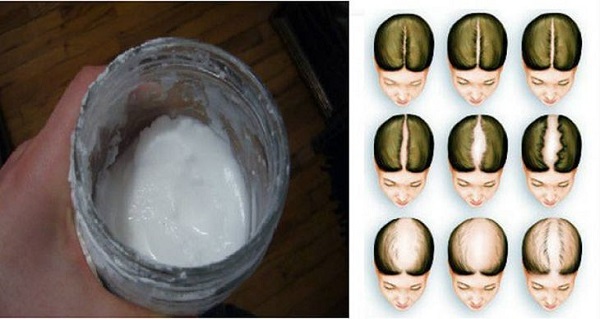
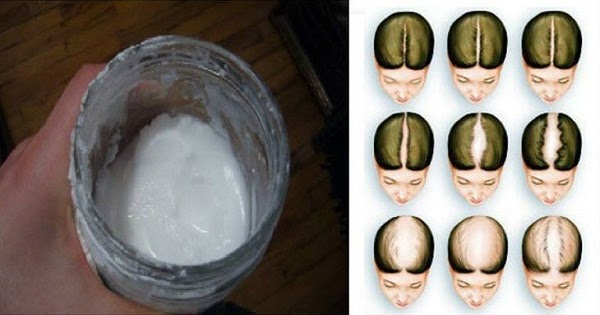
Let us start with the promise you may have seen online. The phrase “baking soda shampoo will make your hair grow like magic” sounds exciting, but it is not accurate. There is currently no strong scientific evidence showing that baking soda makes new hair grow or reverses hair loss. That does not mean it has no use. It simply means its strengths lie elsewhere, mainly in removing heavy residue. Understanding that difference helps you use it, if you choose to, in a way that is safe and reasonable.
What baking soda really is and why people use it on hair
Baking soda is the common name for sodium bicarbonate. It is an alkaline powder that dissolves in water and can lift oil and grime. On hair, this strong cleansing action can loosen buildup from styling products, hard water minerals, and heavy conditioners. After a clarifying wash with a baking soda solution, some people notice their hair feels lighter, cleaner, and even a bit fuller at the roots. That fresh, airy feeling can be pleasant, especially if your hair tends to look dull or weighed down.
However, because baking soda is very alkaline, it does not match the natural acidity of a healthy scalp and hair. Your scalp and hair usually prefer a slightly acidic environment. When that balance is pushed too far, the outer layer of the hair shaft can lift, moisture can escape, and strands may feel rougher. Knowing this in advance helps you use baking soda sparingly and thoughtfully, rather than like an everyday shampoo.
Hair growth reality versus online claims
Hair growth is a steady, slow process influenced by many factors, including genetics, hormones, age, nutrition, stress, and overall health. In midlife, it is common to notice hair that is finer than it used to be, or shedding that comes and goes. A deep cleanse can make hair look fuller for a short time simply because it removes extra residue at the roots. But that is a cosmetic effect and not new hair sprouting from the follicle.
Reliable hair growth typically requires patience and consistent, gentle care. Baking soda is not a miracle growth booster, and it is helpful to view it as an occasional tool for clarifying, not as a cure for thinning. If you are experiencing persistent hair loss, widening part lines, or patches of thinning, a consultation with a dermatologist or healthcare professional can help you explore proven options.
Where baking soda can help when used very carefully
Some people appreciate how effectively a diluted baking soda rinse can cut through layers of styling products, dry shampoo residue, and oils. After a thorough rinse, the scalp may feel fresher and more comfortable. Hair can also appear more buoyant at the crown, which might create the impression of extra volume. These effects can be satisfying, particularly before a special occasion or after weeks of heavy product use.
That said, the goal is to get the benefits without creating new problems. Mature hair often needs more moisture, softness, and protection. Overdoing baking soda can work against those needs, so moderation matters.
Important cautions for mature hair and scalp
With time, many of us notice our hair becomes drier or more delicate. Color-treated hair, hair that has been bleached or permed, and naturally gray or silver hair can be especially sensitive. Because baking soda is highly alkaline, frequent use can roughen the cuticle, lead to dryness, and make ends more prone to breakage. On the scalp, it can cause irritation or tightness in some people, especially if the skin is already sensitive or if there is a condition like eczema or psoriasis.
If your hair is color-treated, baking soda may also cause color to fade more quickly. If you prefer to protect your color investment, you might decide that an occasional professional clarifying shampoo is the safer route, because those products are designed to be effective while keeping a hair-friendly pH balance.
What the evidence says about hair growth and baking soda
At this time, there is no solid evidence that baking soda makes hair grow or regrows hair that has been lost. It can make hair look cleaner and in some cases a bit fuller at the roots, which may be mistaken for new growth, but that is not the same as stimulating the follicle to produce more hair. Conditions like hereditary thinning usually need well-studied, evidence-based approaches developed for hair follicles, and these are best discussed with a professional who can consider your medical history and goals.
If you are seeing more hair on your brush or in the shower than usual, or you notice sudden shedding, it is a good idea to check in with a healthcare provider. Sometimes issues like thyroid imbalance, iron deficiency, or certain medications can play a role. Addressing the underlying cause is often more effective for long-term hair density than any home remedy.
How to try baking soda safely if you are still curious
If you decide you would like to see how a baking soda rinse affects your hair, the safest approach is to keep it simple, gentle, and infrequent. One way to start is by making a mild, watery solution rather than a thick paste. A small amount goes a long way when it comes to clarifying. The goal is to lightly cleanse the scalp and roots, not to scrub the hair lengths.
You might begin by dissolving a small spoonful of baking soda into a large cup of warm water, stirring until it is fully dissolved. Wet your hair well in the shower, then slowly pour the solution over your scalp, using your fingertips to lightly massage. Keep the contact time short and avoid rough rubbing. Rinse very thoroughly with plenty of water until your hair feels clean and slick again.
After clarifying, most people benefit from a gentle, pH-balanced conditioner on the mid-lengths and ends. If your hair felt a little coarse right after rinsing, the conditioner often helps restore slip and softness. Give your hair time to dry and settle before judging the final result. If your scalp stings, itches, or feels tight, it is a sign to stop and switch to a milder option next time.
A simple clarifying rinse idea, described step by step in plain language
In the kitchen, fill a large cup with warm water and add a small spoonful of baking soda. Stir until the water looks clear again and you no longer see grains at the bottom. Take it into the shower. Wet your hair very well with warm water first. Slowly pour a little of the solution over your scalp and lightly work it around with the pads of your fingers. Pour a bit more as needed to cover the top and sides of your head. Do not let it sit for long. Rinse right away with lots of water. Follow with a small amount of your usual conditioner on the ends. Rinse again and gently towel-blot without harsh rubbing.
If you are happy with the feel and look, save this approach for the days when you truly need a deep cleanse, such as once every few weeks. Keeping it occasional helps protect your hair’s moisture and keeps your scalp comfortable.
Alternatives that are kinder to hair and scalp
If your main goal is to remove residue and get that light, clean feeling at the roots, there are gentler options designed for regular use. A pH-balanced clarifying shampoo used once in a while can sweep away buildup without pushing your scalp too far out of its comfort zone. A soft silicone scalp brush can help lift debris during shampooing without scratching. Rinsing a bit longer than usual can also make a difference, especially if you use richer conditioners or leave-ins.
Managing buildup often starts with everyday choices. Using the smallest amount of styling product that does the job, spacing out dry shampoo, and rotating in a lighter conditioner now and then can help keep hair lively between clarifying washes. If you prefer natural feel, you might enjoy a simple routine with a gentle shampoo, a nourishing conditioner, and careful, regular brushing to distribute your scalp’s natural oils down the hair shaft.
What to expect right after a baking soda rinse
Right after rinsing, your hair may feel squeaky or a little rough because the outer layer has been lifted by the alkaline solution. Do not worry if it does not feel silky at that moment. A small amount of conditioner or a leave-in lotion on the ends usually restores softness. Letting your hair air-dry or using the lowest heat setting can also help it settle smoothly. Over the next day, many people notice their hair looks bouncier at the roots and less weighed down, which can be refreshing.
If your hair feels brittle or tangles easily afterward, that is feedback from your hair to make your solution milder next time, or to wait longer between clarifying sessions. Your hair will guide you if you pay attention to how it behaves and feels.
When to skip baking soda altogether
There are times when baking soda is not the right choice. If your scalp is irritated, sunburned, or broken, it is better to avoid strong cleansers. If you have eczema, psoriasis, or very sensitive skin, an alkaline rinse can be too harsh and may trigger discomfort. The same caution applies right after coloring, bleaching, or perming, when hair and scalp need gentler care to recover. Very fragile, thinning hair can also be more vulnerable to rough treatment, so a milder clarifying shampoo may be the safer path.
If you are unsure, a brief chat with a stylist who understands your hair type, or with a dermatologist if you have scalp concerns, can help you make a comfortable decision. Their guidance can be especially helpful if you are juggling hair goals with skin sensitivities.
A realistic plan for fuller-looking hair in midlife
While there is no magic potion, many small habits add up. Gentle, consistent care often supports how full and healthy hair appears. Choosing a mild shampoo that suits your scalp, conditioning the mid-lengths and ends, and brushing with care can prevent unnecessary breakage. Protecting your hair from high heat and harsh pulling helps keep strands strong. If you color your hair, spacing out processes and using products made for color care can keep it looking vibrant for longer.
Overall health matters, too. Nourishing meals with enough protein, staying hydrated, and getting regular, restful sleep all support your hair’s natural rhythm. Managing stress, keeping up with routine checkups, and speaking with a healthcare professional if you notice sudden changes in hair or scalp can provide additional clarity. If you are exploring treatments for thinning, a professional can explain options and what kind of timeline to expect, so you can make choices that feel comfortable and realistic.
The bottom line: no magic, just mindful care
Baking soda shampoo is not a miracle for hair growth, and it is helpful to treat it as an occasional clarifying rinse rather than a daily habit. Used sparingly and carefully, it can lift heavy residue and make hair feel light and clean, which sometimes gives the look of extra lift at the roots. If you decide to try it, keep the solution mild, limit contact time, and follow with a gentle conditioner. Pay close attention to how your hair and scalp respond, and step back if you notice dryness or irritation.
For long-term fullness and comfort, most people do best with a simple, kind routine, plus guidance from a trusted professional when questions arise. With patience and realistic expectations, you can enjoy hair that feels fresh, healthy, and true to you—no magic needed, just thoughtful care that respects your hair and scalp at every age.



