If you have ever heard that garlic can wipe out cancer or cure infections on the spot, you are not alone. For generations, people have used garlic in their kitchens and home remedies, and today it is still one of the most talked-about foods for health. But what does the science really say, and why don’t doctors hand it out as a prescription? This guide offers a friendly, straightforward look at what garlic can help with, where the limits are, and how to use it safely as part of a healthy lifestyle.
Why garlic has earned a healthy reputation
Garlic has been part of traditional diets for thousands of years. It is rich in natural compounds, especially a group known as organosulfur compounds. When you cut, crush, or chew a clove of fresh garlic, it releases a substance called allicin. Allicin and related compounds are responsible for garlic’s strong smell and many of the effects scientists study, including possible benefits for the heart and the immune system.
In laboratory studies, these compounds can affect the behavior of bacteria, viruses, fungi, and even cancer cells grown in dishes. That is one reason you often see dramatic headlines. But it is important to remember that what happens in a test tube or petri dish is very different from what happens inside the human body. The human body breaks down, absorbs, and processes foods in complex ways, and doses used in lab studies are often much higher than what we would reasonably eat.
Garlic and infections: separating lab results from real life
There is real evidence that garlic can discourage the growth of certain germs in the lab. It can make some bacteria, fungi, and viruses less active when they are exposed directly to concentrated garlic extracts. In the kitchen, that might help explain why garlic has long been used to flavor and preserve foods.
In everyday life, however, garlic is not a cure for infections. Some small studies suggest it may modestly reduce how often people catch common colds or how long symptoms last, especially when taken regularly over time. Other studies find little or no effect. If you are dealing with a serious infection, antibiotics or antiviral medications, when prescribed, are the mainstays of treatment because they have been carefully tested to save lives and prevent complications.
It can be tempting to apply raw garlic directly to the skin for infections or wounds, but this is not recommended. Raw garlic can burn the skin and cause irritation. If you have a cut, rash, or suspected infection, it is safer to speak with a clinician about proven options rather than relying on home applications of garlic.
Garlic and cancer: what science does and does not show
Many people read claims that garlic can kill a long list of cancers. The reality is more cautious. Scientists have seen garlic compounds influence cancer cells in dishes and in animals. In test settings, these compounds can interfere with the ways cancer cells grow or trigger those cells to die. Researchers have also observed that people who eat more allium vegetables—like garlic, onions, leeks, and shallots—often have slightly lower risks of certain cancers, especially some digestive cancers. Those observations are encouraging, but they do not prove that garlic prevents cancer on its own, and they definitely do not mean garlic cures cancer in people.
Why the gap between research headlines and medical advice? Most human studies that link garlic to lower cancer risk are observational. They notice patterns in large groups of people, but they cannot prove that garlic is the reason for the difference. People who eat more garlic may also have other healthy habits, such as eating more vegetables overall, being more active, or smoking less. Controlled clinical trials—the kinds of studies used to approve medications—have not shown that garlic treats cancer. For people living with cancer, doctors rely on therapies that have been proven to work, like surgery, chemotherapy, radiation, hormone therapy, and immunotherapy, because those treatments are backed by strong evidence.
In short, enjoying garlic as part of a varied, plant-forward diet may be one helpful habit among many that support long-term health. But it is not a substitute for cancer screening, medical treatment, or regular checkups.
Why doctors rarely “prescribe” garlic
You might wonder, if garlic has potential, why doctors do not officially prescribe it. There are several practical reasons. First, foods are not regulated like medicines. A clove of garlic can vary in size and potency, and supplements can differ widely in strength and quality. That makes it hard to know the exact dose of active compounds you are getting.
Second, strong medical recommendations require strong evidence from clinical trials. While some trials suggest small benefits of garlic for blood pressure or cholesterol, these effects are generally modest, and studies often use different types of garlic preparations, making results hard to compare.
Third, medications must be predictable, safe, and standardized. Garlic is generally safe as a food, but in supplement form or in high amounts it can interact with medications or cause side effects. Doctors want to be confident that what they recommend will not harm you or interfere with other essential treatments.
Heart and metabolic health: where garlic may gently help
For adults aiming to protect their heart, garlic may play a quiet supporting role. Some studies show that regular use of garlic, especially aged garlic extract, can reduce total cholesterol a little and lower blood pressure by a small amount. These effects are usually not large enough to replace medications for people who need them, but they may contribute to a healthier overall picture when combined with other habits like a balanced diet, physical activity, and not smoking.
It is sensible to think of garlic as one ingredient in a broader approach: eating more vegetables, fruits, beans, whole grains, nuts, seeds, fish, and healthy oils, and limiting processed foods and excess salt. Those bigger patterns consistently show stronger benefits for the heart than any single food can deliver on its own.
Using garlic wisely in everyday cooking
The simplest and most enjoyable way to benefit from garlic is to cook with it. Crushing or chopping fresh garlic and letting it sit for about ten minutes before cooking allows more allicin to form. Gentle cooking can mellow the flavor while still leaving you with many of its natural compounds. Roasted garlic is softer and sweeter, while lightly sautéed garlic adds a savory note to soups, sauces, and vegetables.
If you prefer supplements, talk with your healthcare professional first, especially if you take medications. Products labeled as aged garlic extract or standardized to certain compounds can offer more consistent dosing than random capsules. Even so, supplements vary in quality, and food remains the most reliable and pleasant way to include garlic in your routine.
Safety first: interactions and side effects to know
Like many natural products, garlic is not risk-free. Large amounts or concentrated supplements can cause stomach upset, heartburn, or gas. Topical use of raw garlic on the skin can lead to burns or irritation and should be avoided.
Garlic can thin the blood slightly. If you take blood thinners or antiplatelet medications, or if you have a bleeding disorder, speak with your doctor before adding garlic supplements. People are usually advised to stop high-dose garlic supplements one to two weeks before surgery or dental procedures to reduce bleeding risk. If you have diabetes and take medicines that lower blood sugar, you should also check with a clinician, because garlic may enhance those effects for some people.
Allergies to garlic are uncommon but possible. If you notice hives, swelling, trouble breathing, or severe digestive upset, seek medical help. If you frequently get reflux or indigestion, cooking garlic thoroughly and using smaller amounts may make it easier to tolerate.
What to make of bold claims
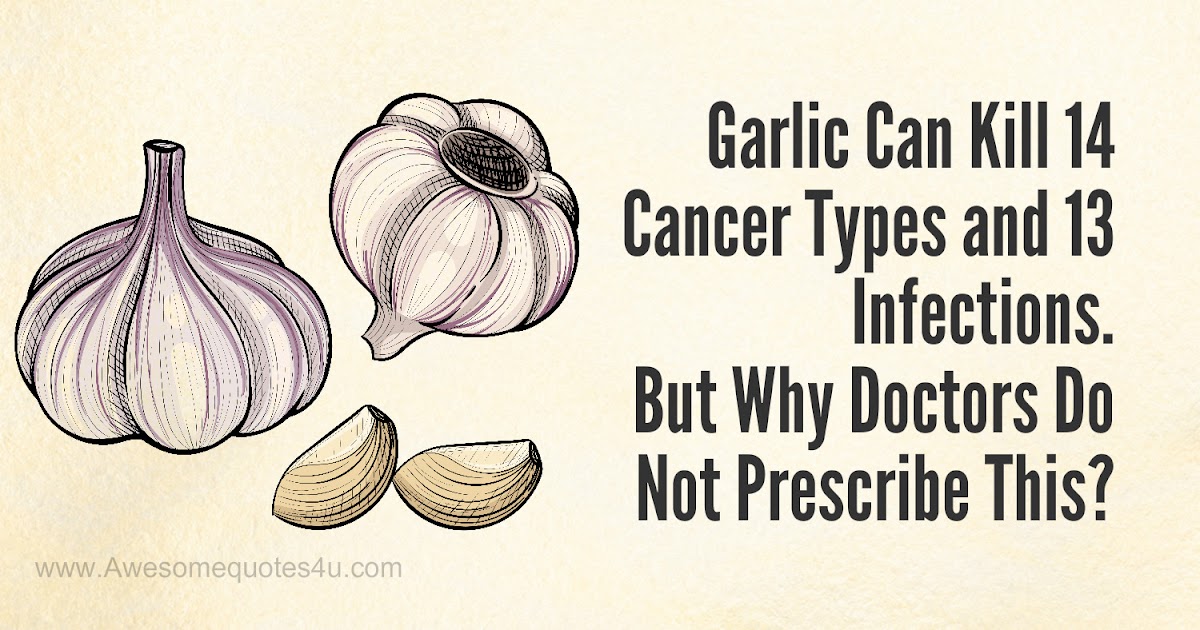
It is understandable to feel hopeful when you see statements that garlic can kill many types of cancer or cure a long list of infections. Hope is powerful, and garlic truly does have interesting properties. But strong claims require strong proof, and at this time, there is no reliable evidence that garlic cures cancer in people or replaces medical treatment for serious infections. Relying on garlic alone could delay proven care and allow a condition to worsen, which is why health professionals caution against using it as a substitute for diagnosis and treatment.
That does not mean you need to give up garlic. Rather, think of it as a flavorful, affordable ingredient that can be part of a healthy pattern of eating, and possibly offer small added benefits over time. Pair that approach with regular screenings, vaccinations, appropriate medications when needed, staying active, and not smoking, and you will be doing a great deal to protect your health.
Talking with your doctor about garlic
If you are curious about using garlic more intentionally, bring it up at your next appointment. Let your clinician know how much garlic you eat, whether you are considering a supplement, and what other medications or vitamins you take. Together, you can weigh the potential benefits, pick a safe approach, and watch for any side effects. If you are undergoing treatment for a condition such as cancer or a heart problem, it is especially important to discuss supplements before starting them, because even natural products can affect how treatments work.
When asking about garlic, practical questions can help guide a comfortable plan. You might ask whether food-based garlic is fine for you, whether any of your medications could interact with supplements, and whether a particular brand or preparation is appropriate. Your healthcare team can also suggest other evidence-based steps that match your goals, whether you hope to ease blood pressure, support heart health, or simply cook more meals at home.
Simple kitchen ideas older adults often enjoy
Many people in midlife and beyond appreciate dishes that are easy to digest and full of flavor. Lightly sautéed garlic in olive oil can be the base for quick vegetable sides, bean soups, or tomato sauces. Roasting a whole head of garlic turns the cloves soft and sweet; spread a small amount on whole-grain toast alongside a bowl of soup for a comforting meal. If raw garlic is too strong for your stomach, cooking it thoroughly can make it gentler while still adding wonderful aroma to your meals.
If you have dentures, dental sensitivity, or simply prefer milder flavors, try infusing olive oil with a few smashed cloves of garlic over low heat and then removing them. The oil takes on a pleasing garlicky taste that can be drizzled on cooked vegetables, fish, or whole grains without leaving bits that are hard to chew.
The bottom line
Garlic is a time-honored ingredient with real, interesting biology behind it. In the kitchen, it brings meals to life. In the body, it may offer small benefits for heart and immune health when used regularly as part of a balanced diet. What it does not do is cure cancer or replace medications for serious infections. That is why doctors do not prescribe garlic the way they prescribe antibiotics or cancer treatments. Foods and medicines play different roles. By enjoying garlic sensibly, staying alert to interactions and side effects, and keeping an open conversation with your healthcare team, you can get the best of both worlds: delicious meals and health choices grounded in solid evidence.
If you remember one takeaway, let it be this: garlic can be a helpful part of your routine, but it should support—not replace—proven medical care. With that approach, you can feel confident sprinkling more flavor into your meals while taking good care of your health.