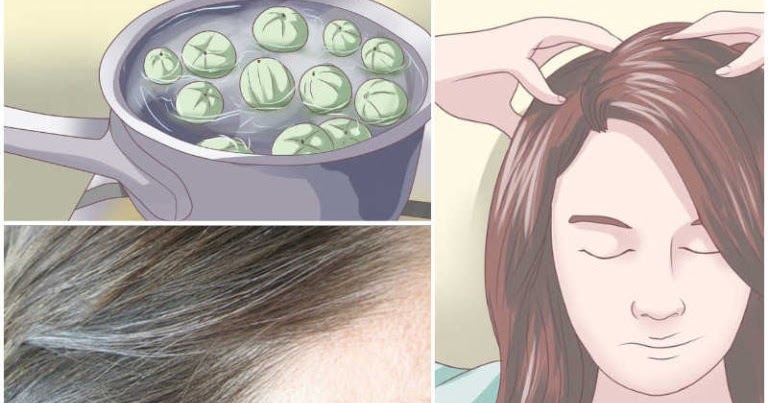
A quick and reassuring way to tame white hair in just a few minutes
Noticing more white strands can be surprising, and it often happens faster than we expect. The good news is, you do not need a long salon appointment to look and feel like yourself again. There are simple, gentle ways to soften, blend, or cover white hair in only about five minutes. This guide walks you through what really works, what to expect, and how to keep your hair looking natural and healthy without fuss. It is friendly on the wallet, easy on the scalp, and designed to fit comfortably into your daily routine.
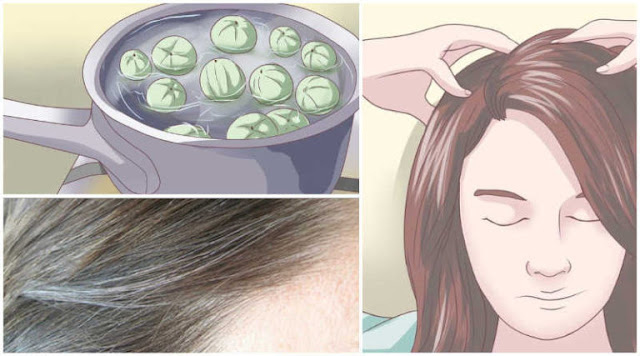
Why hair turns white and why that is completely normal
Hair gets its color from pigment called melanin, produced by tiny cells in each hair follicle. Over time, these cells naturally slow down. Genetics play a big role, which is why some people see white hair earlier than others. Lifestyle factors such as stress, certain medical conditions, or smoking can sometimes make the process more noticeable, but for most of us it is simply a normal part of aging. White hair does not mean your hair is unhealthy; it simply reflects a change in pigment. It may feel a bit coarser or drier because pigment and natural oils change with age, but you can keep it soft and manageable with the right routine.
What a five‑minute solution can and cannot do
A five‑minute routine can blend and cover visible white strands around the hairline, part, and temples. It can also enhance your overall color so your hair looks richer and more uniform. What it cannot do is permanently reverse the natural graying process. Think of it like a quick polish for your hair. It provides an instant improvement you can refresh whenever you like. When you know what to expect, you will be pleasantly surprised by how natural the results look and how little time it takes to get there.
The simplest five‑minute method using a tinted conditioner
If you prefer something gentle and low‑commitment, a tinted conditioner or color‑depositing conditioner is an excellent option. It adds a whisper of color to white strands and can make your natural shade look deeper and smoother. Start with clean, towel‑dried hair so excess water does not dilute the tint. Comb your hair to remove any tangles, then apply a small amount of the tinted conditioner, focusing on the areas where white strands show most, such as the part and temples. Smooth it through with your fingers so it is evenly distributed, and spend a moment ensuring good coverage at the roots.
Let it sit for about five minutes. During that time, the conditioner deposits a light layer of color while softening the hair. Rinse with cool or lukewarm water until it runs clear. Dry and style as usual. The result should be soft, shiny hair with white strands looking more blended and less stark. Because it is a conditioner, your hair will also feel more hydrated and easier to manage. Many people find that doing this once or twice a week keeps their color looking fresh without the commitment of permanent dye.
Fast coverage at the roots with touch‑up products
If you want instant, targeted coverage at the roots, a root touch‑up powder, spray, or tinted hair mascara works very well and usually takes only a few minutes. Stand in good lighting and part your hair where the white strands are visible. Lightly apply the product to the roots and along the hairline. With powders, dab and pat until the white is softened. With sprays, use short, gentle bursts from a small distance for even coverage. With a hair mascara wand, paint individual strands and small sections. The color grabs onto white hairs and stays put until your next shampoo.
These products are ideal when you are heading out the door and want reliable coverage without waiting. They are also easy to blend, so you can avoid harsh lines and keep a natural appearance. Many options are water‑resistant yet shampoo out cleanly, which makes upkeep simple. With a little practice, you will be able to refresh your roots in about five minutes whenever you need to, and it will look like your own hair, just a bit more polished.
A gentle kitchen option for a subtle, natural boost
If you prefer a homemade approach, a mild coffee or strong black tea rinse mixed with a dollop of conditioner can offer a soft tint in a few minutes. Brew a very strong cup and let it cool to a comfortable temperature. Blend a small amount with your usual conditioner and smooth it onto the areas that need blending. Leave it on for about five minutes and then rinse. Do not expect a dramatic change in a single session; instead, think of it as a gentle nudge toward a deeper tone. Repeating this simple step a few times a week can create a pleasing, gradual enhancement, especially on medium to dark hair.
Testing first and protecting your scalp
Anytime you try a new product or mixture, it is wise to test a small amount on the skin behind your ear or on the inner arm and wait a day to ensure you have no sensitivity. White and gray hair can be a bit drier, so choose formulas labeled gentle or hydrating. If your skin is sensitive, consider using a barrier cream along your hairline to prevent staining. Keep a dark towel around your shoulders, and if you are using a spray or powder, cover your clothing. These small steps make the process neat, comfortable, and stress‑free.
Choosing the right shade for natural‑looking results
For the most natural look, match the product to your hair’s base color or go just a touch lighter. A shade too dark can create a sharp contrast at the roots, while a slightly lighter or neutral tone blends smoothly with your natural highlights. If your hair is a mix of tones, pick the shade that best reflects the overall impression of your color, not the darkest strand you see. When in doubt, start lighter and build gradually. It is much easier to add a little more depth than to tone down a color that is too intense.
Fine‑tuning by hair type and texture
Hair texture matters. Fine hair usually accepts color quickly, so a short five‑minute application can do the trick. Coarse or wiry white hairs may resist color a bit at first, which is perfectly normal. If your hair is coarser, warm the product between your fingertips before applying to help it spread evenly, and make sure you coat those stubborn strands from root to tip. Curly or wavy hair can hide white strands within the texture, so focus on the top layer and hairline where they are most visible. Straight hair shows the root more clearly, so taking an extra moment to blend along the part will pay off.
How to make your quick color last longer
Once you have refreshed your color, a few small habits help it last. Wash with cool or lukewarm water rather than very hot, which can lift color faster. Gentle, color‑safe shampoos are a smart choice and are easy to find. When you condition, focus on the lengths and ends to keep hair soft and shiny. Try to limit very high heat when styling, and when you do use a blow dryer or iron, apply a heat protectant first. Sun can also fade color, so wearing a hat on bright days or spending time in the shade helps keep your tone richer between touch‑ups.
If you swim, rinse your hair with fresh water before and after being in the pool. This simple step reduces how much chlorinated water your hair absorbs, which helps your color stay true. If you love long, soaking baths, keep your hair clipped up and out of the water so your touch‑up color stays put a little longer.
Styling tricks that gently distract from white hairs
A few styling choices can make a big difference in how noticeable white strands are. A soft, slightly zigzag part scatters the light and disguises regrowth more than a perfectly straight part. A bit of natural volume at the roots, achieved with a round brush or by blow‑drying the hair upward for a moment, also blends the line between colored and white hair. If your hair is short, a lightly textured finish can break up any contrast, while longer hair often looks more blended with a few soft waves. A gentle shine serum or a leave‑in conditioner smooths frizz and helps white strands look softer and more in harmony with your overall color.
How often to refresh for a polished look
Most people find that a quick root touch‑up every few days keeps things looking neat, especially along the part and temples. A tinted conditioner can be used once or twice a week, depending on how often you shampoo. You are in control, and there is no strict schedule. If you prefer a very natural look, touch up only the hairline when needed and let the rest blend on its own. If you like a more consistent, uniform color, spend an extra minute lightly coating the top layer of your hair with the product. Either way, five minutes goes a long way.
When a professional touch may be helpful
Home methods are wonderful for quick results and gentle maintenance. If you notice that your white hairs are extremely resistant to coverage, if you have very sensitive skin, or if you are making a big color change, a professional can tailor a plan just for you. Many salons offer express root services that are quick, comfortable, and designed to look natural. They can also recommend the best shade and formula for your hair type so your at‑home routine becomes even easier and more effective.
Answers to common questions about quick white hair coverage
People often ask whether quick methods truly work. They do, especially for blending and covering the most noticeable areas. The results are not permanent, which is actually a benefit for many of us because it allows gentle upkeep without commitment. If you wonder whether these methods will damage your hair, the answer is that most quick solutions are designed to be gentle. Tinted conditioners and many root touch‑ups sit on the outside of the hair rather than deeply penetrating it. If you choose products labeled nourishing or hydrating, your hair can look and feel even better after each use.
Another question is whether these shortcuts look natural in daylight. The key is light pressure and gradual buildup. Apply a little, step back, and take a look. Good lighting helps you see where to add a touch more. Matching your base color closely, or choosing a shade just a touch lighter, keeps the look soft and believable. If you do get a bit of product on your skin, a damp cotton pad removes it easily. Take your time the first couple of tries, and by the third time you will move through the routine smoothly.
Embracing your look with confidence, one quick step at a time
White hair is a natural chapter, and you get to decide how you want to wear it. Some days you may celebrate your silver, and other days you might want a quick blend for a special event or simply for yourself. With five minutes, a tinted conditioner or a root touch‑up, and a few common‑sense habits, you can refresh your look whenever you like. It is simple, it is gentle, and it puts you in control of how you present yourself to the world. That small, easy step can make your hair feel cared for and your reflection feel familiar and uplifting.
As you use these tips, notice how your hair responds and adjust in a way that suits your routine. Over time you will create a rhythm that feels effortless. Whether you prefer a subtle blend or fuller coverage, the path is the same: a few mindful minutes, a light hand, and products that are kind to your hair and scalp. Enjoy the process, enjoy the results, and most of all, enjoy the confidence that comes from feeling like yourself.