
A gentle, natural approach to caring for thinning hair
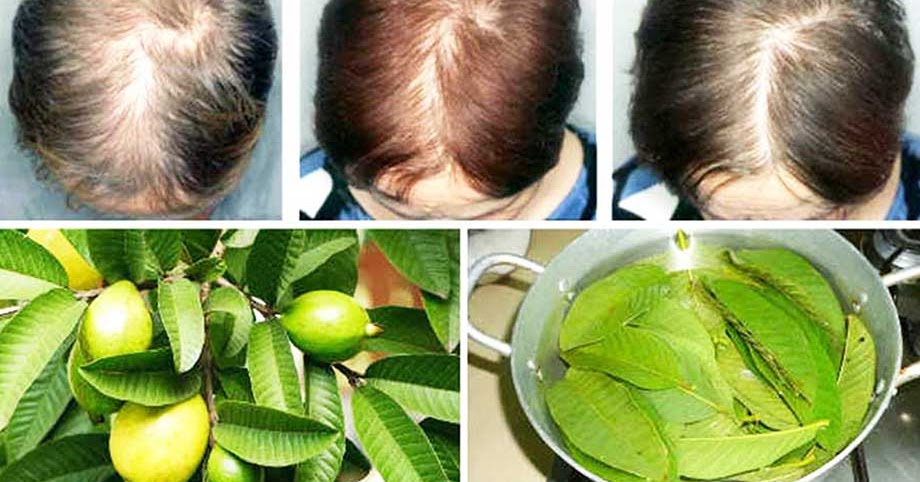
If you have noticed more hair in your brush or feel your ponytail getting thinner, you are not alone. Many people between their mid-forties and mid-sixties go through changes in hair thickness, texture, and growth speed. While there is no single magic fix, some traditional remedies can help support a healthier-looking scalp and hair. One option that has become popular is using guava leaves. These simple leaves, long used in home remedies across many cultures, may help reduce shedding, soothe the scalp, and encourage the appearance of fuller, stronger hair when used consistently.
It is important to be realistic. Guava leaves are not a guaranteed cure for hair loss, and they will not reverse advanced hereditary hair thinning. However, many people enjoy using guava leaf rinses and oils as part of their routine because they can be soothing, gentle, and easy to prepare at home. With regular use, you may notice less breakage, a calmer scalp, and hair that looks healthier and feels stronger.
Why guava leaves are talked about for hair and scalp health
Guava leaves contain natural plant compounds, including antioxidants and soothing agents. These plant compounds are believed to help protect the scalp from everyday stressors. A healthier scalp environment can support stronger hair at the roots and reduce the feeling of brittleness along the strands. Many people describe their hair as looking shinier and feeling more resilient after a few weeks of steady use.
In traditional practices, guava leaves have been used to calm the skin, which is helpful because the scalp is simply skin with hair. A calm, comfortable scalp is one less source of stress for your hair. The pleasant, herbal scent is a bonus and can make your routine feel like a small self-care ritual.
What the evidence suggests and what to expect
Modern research on guava leaves and hair is still limited, but the ingredients found in the leaves are known to have soothing and antioxidant effects. These qualities may help reduce the look of shedding due to breakage and may make the hair appear fuller over time. If you decide to try guava leaves, approach it as a supportive addition rather than a replacement for treatments your clinician recommends.
Most people who use guava leaf rinses or oils consistently notice changes slowly. You might first feel that your hair is smoother and easier to manage. Over a month or two of steady use, you may see fewer strands in the drain or on your pillowcase. Individual results vary, and patience is key. If your hair loss is sudden, patchy, or accompanied by itching, burning, or pain, it is a good idea to talk with a healthcare professional or dermatologist for personalized guidance.
How to make a simple guava leaf rinse at home
A guava leaf rinse is a gentle way to introduce the leaves into your routine. You can use fresh or dried guava leaves. If you can find fresh leaves, always rinse them well under clean water before using them. If you are using dried leaves, choose a clean, food-safe source.
To prepare the rinse, place a generous handful of clean guava leaves in a pot and cover them with water. Bring the water to a gentle boil, then lower the heat and let it simmer for about ten to fifteen minutes. This simmering step helps the beneficial plant compounds move into the water. When the water has taken on a light tea color and a mild herbal scent, turn off the heat and let it cool to a comfortable, lukewarm temperature. Strain out the leaves so you are left with a smooth liquid.
After washing your hair as usual, slowly pour the warm guava leaf liquid over your scalp and hair. Take your time and massage it in with your fingertips, focusing on the scalp. Allow the liquid to sit for a few minutes, then either rinse it lightly with cool water or leave a small amount in, depending on your comfort level. Many people prefer to leave it in so the scalp can enjoy its soothing effect longer. You can use this rinse once or twice a week.
Creating a guava leaf hair oil for massage
Another popular option is to prepare a light oil infused with guava leaves. A scalp massage with a nourishing oil can be very relaxing and may improve the look and feel of your hair over time. For the base, choose a gentle carrier oil that suits you. Options like coconut, olive, almond, or grapeseed oil are widely available and easy to work with.
To make the infusion, place clean, dry guava leaves in a small heat-safe bowl or jar, and cover them with the carrier oil. Warm the mixture gently by placing the bowl over a pot of hot water, similar to a double-boiler method. Avoid boiling the oil, because very high heat can damage delicate plant compounds. Keep it warm for about thirty to forty-five minutes, then remove it from the heat and allow it to cool. Strain out the leaves, and store the infused oil in a clean bottle.
When you are ready to use it, place a small amount of oil on your fingertips and massage it into your scalp using gentle, circular motions. A calm, unhurried massage for five to ten minutes can be both soothing and beneficial for the scalp. You can leave the oil on for an hour before washing, or you can keep a very light amount in overnight if your scalp tolerates it well and your pillow is protected with a towel. Using this oil once or twice weekly is usually enough to see how your hair responds.
A simple daily spritz for comfort and freshness
If you like an easy, no-rinse step, the cooled guava leaf liquid can be poured into a clean spray bottle to make a light spritz. A few sprays on the scalp in the morning can offer a pleasant, refreshed feeling. Be sure to store the spray in the refrigerator and prepare a fresh batch every few days to keep it at its best.
Helpful tips to get the most from guava leaves
Consistency usually matters more than quantity. It is better to use a simple rinse or oil regularly rather than a complicated routine you find difficult to maintain. Gentle handling of your hair makes a difference too. When hair is wet it is more fragile, so pat it dry and detangle patiently from the ends upward. Reducing tight hairstyles and minimizing heat styling can also reduce breakage.
Overall well-being shows up in your hair. Getting enough protein and iron through food, staying hydrated, and managing stress support the appearance of thicker, healthier hair. If you take medications or have health conditions, ask your healthcare provider if any might affect your hair, and seek advice if you notice sudden changes.
Safety, patch testing, and when to be cautious
Even natural ingredients can cause irritation for some people. Before using guava leaf preparations widely on your scalp, do a simple patch test. Apply a small amount of the cooled rinse or a drop of the infused oil to a small spot on your inner forearm or behind your ear. Wait a full day to see if your skin becomes red, itchy, or uncomfortable. If you notice any irritation, avoid using it on your scalp.
Be careful not to get the rinse or oil in your eyes. If it happens accidentally, rinse with plenty of clean water. If you have a known plant allergy or a sensitive scalp, speak with a medical professional before trying new home remedies. People with active scalp conditions such as infections, open sores, or strong flaking should get guidance from a clinician first.
Who might notice the most benefit
Guava leaves are most likely to help with everyday shedding and breakage related to stress, seasonal changes, styling, or scalp discomfort. They can be a pleasant, low-cost way to make your hair care routine feel more soothing and thoughtful. If your hair loss is due to hereditary pattern thinning, hormonal shifts, thyroid issues, anemia, or side effects of medications, the leaves alone will not solve the underlying cause. You may still find them helpful as a supportive step alongside advice from your healthcare provider.
Pairing guava leaves with proven options
Many people use guava leaf rinses or oils alongside treatments their clinicians recommend. If you already use topical solutions or prescribed medications, you can usually keep guava leaves in your routine on days you are not applying other products. Apply the guava leaf rinse after shampooing and before any medical treatments, making sure the scalp is dry if your treatment requires it. If in doubt, ask your provider for a simple schedule that spaces out your steps comfortably.
Answers to common concerns you may have
Some people worry that herbal rinses might change hair color. Guava leaves are not known for dyeing hair. If your hair is color-treated, try the rinse on a small section first to make sure you like how it feels. Others ask about scent. The fragrance is mild and herbal, and you can follow with your usual conditioner if you prefer a different scent. Storage is another question. The water-based rinse should be kept in the refrigerator and used within two to three days. The oil infusion keeps longer in a cool, dark place, but it is best used within a month for freshness.
Another common question is how often to use these preparations. Start with once a week to see how your scalp and hair respond. If your scalp is comfortable and you enjoy the results, you can increase to twice a week. More frequent use is not always better. Give your hair time to show you what it prefers.
A calm, step-by-step routine you can follow
On a chosen day, begin with your regular shampoo. Rinse thoroughly and squeeze out excess water with your hands. Slowly pour the prepared, lukewarm guava leaf rinse over your scalp, moving from the front of your head to the back so the liquid reaches all areas. Gently massage for a minute or two, enjoying the warmth and the light herbal aroma. You can leave the rinse on and finish with a light conditioner on your ends if you wish. Allow your hair to air dry or use the lowest heat setting on your dryer.
On another day of the week, give yourself a relaxing scalp massage with the guava leaf oil. Sit comfortably, place a small amount of oil on your fingertips, and use slow circles across your scalp. Take a breath and treat it like a mindful moment. After about ten minutes, you can leave the oil in for a while or wash it out with your favorite gentle shampoo. Over time, this simple rhythm can make your hair care feel more enjoyable and your scalp more at ease.
What progress can look like over time
In the first couple of weeks, you might notice your scalp feels calmer and your hair is easier to detangle. By the one-month mark, some people report less visible shedding during washing. In two to three months, the overall look of the hair may appear fuller as broken hairs grow out and the strands feel stronger. These changes are subtle and gradual, and they depend on your starting point, your general health, and how consistently you use the routine.
If you are not seeing the results you hoped for after a few months, that does not mean you did anything wrong. Sometimes hair concerns are connected to factors that need professional attention. At that point, it can be reassuring to have a conversation with a healthcare provider who can rule out underlying issues and offer personalized solutions.
When to seek professional advice
If your hair loss is rapid, if you notice round patches of missing hair, or if your scalp is painful, inflamed, or very itchy, consider scheduling an appointment with a dermatologist or your primary care provider. These signs may point to conditions that benefit from targeted treatment. Bringing a brief note about your routine, including any herbal preparations you have tried, can help your clinician understand the full picture and guide you effectively.
Encouragement for your hair care journey
Making time for your hair and scalp can be a kind act of self-care. Guava leaves offer a straightforward, gentle way to support a healthier-feeling scalp and the appearance of fuller hair. They are easy to prepare, pleasant to use, and can fit into even a simple routine. While they are not a guaranteed solution for every type of hair loss, many people find they are a comforting and helpful addition.
Above all, listen to your hair and your scalp. Give yourself a few weeks to notice how you feel, and be patient with the process. Combine your guava leaf routine with good nutrition, restful sleep, and manageable stress. If you need extra help, do not hesitate to speak with a healthcare professional who can tailor advice to your needs. This information is for general guidance and is not a medical diagnosis. With steady, gentle care, you can help your hair look and feel its best at any age.



