
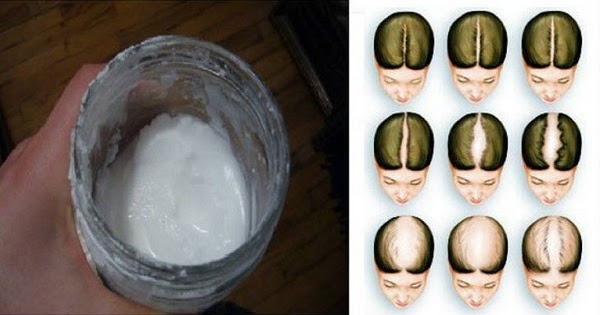
If you have noticed your hair changing over the years, you are not alone. Many of us see our hair become thinner, drier, or more fragile with time. It is only natural to look for simple, affordable ways to keep it looking its best. One idea that often pops up is washing with baking soda, sometimes called baking soda shampoo. You may have heard glowing reports claiming it makes hair grow like magic. Today, let us take a calm, clear look at this home remedy so you can decide if it fits your routine.
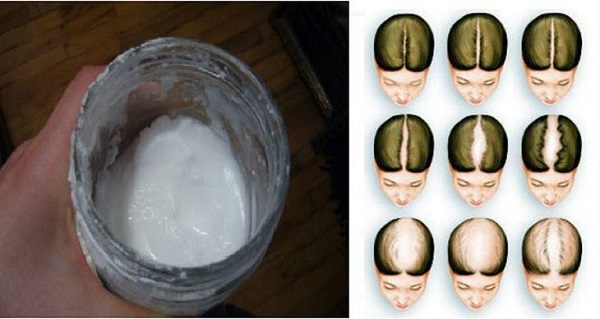
When people talk about baking soda shampoo, they usually mean a simple mixture of water and a small amount of baking soda used in place of traditional shampoo. Baking soda, also known as sodium bicarbonate, is a common pantry ingredient. It is mildly abrasive and very alkaline. Those two qualities are the reason some folks reach for it to cleanse hair and scalp. The mild grit helps lift heavy oils and built‑up styling residue, and the high alkalinity can make strands swell slightly during washing, which sometimes leaves hair feeling very clean and temporarily fuller.
You may be wondering where the big promises come from, especially the idea that baking soda can make hair grow quickly. A good place to start is understanding what makes hair appear thicker. Often, when hair is coated with oils, conditioner residue, or hair spray, it lies flat and looks limp. After a deep cleanse, it feels lighter and has more body. That change alone can make hair seem fuller, even if the number of hairs and the growth rate have not changed at all. This is one reason many people feel excited after the first few washes with a strong cleanser, whether it is a clarifying shampoo or a baking soda rinse.
Another reason is that a clean scalp simply feels refreshing. If you are dealing with flakiness or buildup from products, a deeper clean can make your scalp feel calmer and less itchy. When your scalp feels better, it is easy to believe your hair is suddenly growing faster. Real hair growth, however, is a gradual biological process at the root level, and it takes time to notice visible changes.
Now let us talk about what science says. At this time, there is no solid clinical proof that baking soda alone makes hair grow faster or prevents hair loss. Hair growth is influenced by genetics, hormones, nutrition, health conditions, medications, and overall scalp health. While keeping the scalp clean is helpful, there is a difference between a clean feeling and true regrowth. That does not mean baking soda can never be part of a routine, but it does mean it should be used thoughtfully and with realistic expectations.
It also helps to consider the nature of baking soda. Because it is quite alkaline, it can lift the hair’s outer layer, called the cuticle. In small, occasional amounts, some people like the way this creates volume. Used too often or in a strong mix, though, the same effect can lead to dryness, frizz, and breakage. Color‑treated hair, gray hair, curly hair, and already fragile hair can be especially sensitive. If your hair is dyed, the high pH may also cause color to fade more quickly. For many people, that is not the result they want from their shampoo.
So where does that leave us? If you are curious about baking soda, it may be best to think of it as a once‑in‑a‑while clarifying step rather than a daily shampoo. Some folks find that an occasional gentle rinse helps remove heavy buildup from products, hard water minerals, or excess oil. Others try it once and decide it feels too harsh. Your experience can depend on your hair type, your scalp, your water, and how you mix and use the solution.
If you decide to give it a very gentle trial, start slowly and listen closely to your hair and scalp. A light, diluted mixture is easier on strands than a thick paste. Warm water, a small pinch of baking soda, and a very short contact time on the scalp are common ways people keep the process mild. Rinsing very well and following with a light, moisturizing conditioner on the ends can help counter dryness. If you notice any burning, itching, redness, or unusual shedding, it is a sign to stop and switch back to your usual cleanser.
It can also be helpful to set a realistic plan for frequency. Instead of using baking soda every wash, many people who enjoy it use it sparingly, perhaps once every few weeks, or even less often. In between, they return to a gentle shampoo that suits their hair type. This balanced approach focuses on keeping the scalp comfortable and the hair protected, rather than relying on a single strong cleanser.
Understanding the difference between thicker‑looking hair and true growth brings peace of mind. Thicker‑looking hair is often about volume and cleanliness. It happens when residue is removed and strands have a little more lift. Actual growth takes patience. Most people’s hair grows, on average, about half an inch per month, though that rate varies from person to person. Healthy habits, gentle care, and time are the real keys.
Some readers ask whether pairing baking soda with an acidic rinse helps. Because baking soda is alkaline, you will sometimes see people mention following it with a very diluted apple cider vinegar rinse to bring pH back toward the normal range. While that can balance the feel for some, it can also be irritating for others. If you try this route, extra dilution and caution are wise, and you should stop the moment your scalp or hair seems uncomfortable.
Many people prefer to skip home experiments and use ready‑made products designed for clarifying. There are shampoos labeled clarifying or deep‑cleaning that are formulated to lift residue more gently than a strong kitchen‑cabinet mix. There are also scalp‑care shampoos that include ingredients meant to help with flakes and oiliness. If you enjoy the fresh, airy feel that comes after a deep clean, these can be kinder ways to get it, especially for delicate or color‑treated hair.
It is also perfectly fine to focus on overall habits that support healthy‑looking hair. Simple steps such as massaging the scalp softly when you shampoo, choosing a gentle cleanser for most washes, and giving your hair a little break from heavy sprays and gels can help it look livelier. Protecting your hair from high heat and using a conditioner on the lengths can reduce breakage so your hair can reach a longer length over time.
Nutrition is another gentle piece of the puzzle. Eating balanced meals with enough protein, iron, and essential vitamins supports your body as a whole, including your hair. If you suspect a deficiency or notice sudden thinning, it may be a good idea to speak with a healthcare professional to rule out underlying issues. Medications, thyroid conditions, and other health factors can play a role, especially as we get older.
For anyone specifically seeking help with hair loss, there are options backed by more research than baking soda. Over‑the‑counter solutions with minoxidil, for example, have been studied for certain types of thinning. Dermatologists can also guide you through choices based on your hair and scalp. If you are unsure what is causing your hair changes, that professional advice is often the most reassuring path.
All that said, it is easy to see why baking soda earned its enthusiastic fans. It is inexpensive, easy to find, and simple to mix. It can leave hair feeling especially light and free of buildup after a single rinse. In the short term, that clean sensation and extra volume can be very satisfying. As long as you keep expectations level and watch for signs of dryness or irritation, a cautious trial can be a low‑risk way to satisfy your curiosity.
If you do try it, make the experience as kind to your hair as possible. Work with lukewarm, not hot, water. Keep the mixture mild rather than strong. Focus on the scalp rather than scrubbing the hair lengths, and be brief. Rinse thoroughly and finish with a small amount of conditioner on the ends, especially if your hair is gray, color‑treated, or naturally dry. Then pay attention to how your hair looks and feels for the next few days. If it feels rough, tangly, or brittle, set the baking soda aside and return to a more moisturizing routine.
Many readers ask how to tell whether something is truly helping with growth. A simple way is to keep track gently over several months. Notice baby hairs along your hairline, watch how often you need trims, and observe shedding in your brush or shower. Since hair changes slowly, day‑to‑day impressions can be misleading. Looking back over a longer stretch gives a clearer view and helps you judge whether a new routine is a good fit.
It may also help to tailor your routine to your hair type. Fine, straight hair often shows residue more quickly and can benefit from a deeper cleanse once in a while. Coarse, curly, or coily hair thrives with moisture and can be more sensitive to high‑pH cleansers like baking soda. Gray hair tends to be drier and more delicate. Paying attention to these differences gives you better results, because you are caring for the hair you have rather than chasing a one‑size‑fits‑all fix.
If your main goal is keeping your scalp comfortable, you can build a routine that does not rely on strong home ingredients. A gentle shampoo used regularly, massaged softly with your fingertips, often does the trick. If you struggle with flakes, itch, or oil, there are milder options designed for those concerns. Many people discover that a small change, like washing slightly more often or rinsing more thoroughly, makes a big difference.
Patience is a friendly companion in all of this. The promise that something will make hair grow like magic is exciting, but the steady approach usually wins. Care for your scalp, be gentle with your strands, choose products that suit your hair, and give your routine a little time to show results. You might be surprised by how much better your hair looks and feels with a few thoughtful habits.
In the end, baking soda shampoo is one of many tools you can consider. It can provide a fresh, airy feel for some people, especially when used sparingly to remove buildup. It is not a guaranteed shortcut to rapid hair growth, and it can be too harsh for certain hair types if used too often or too strongly. If you are curious, test carefully, dilute well, and keep the focus on keeping your hair and scalp comfortable.
There is something reassuring about having a simple, affordable option in your back pocket. Knowing the pros and cons helps you use it wisely. If you love the light, clean feeling after an occasional clarifying rinse, baking soda may offer that experience in a pinch. If your hair prefers a softer touch, modern gentle shampoos can deliver similar freshness without the risk of dryness. Either way, you can choose what serves you best as your hair changes over time.
The most important part is feeling confident and at ease with your routine. Your hair tells a story of where you have been and who you are. Treat it with kindness, stay curious, and make adjustments as you learn what works. Whether you try baking soda once or skip it altogether, you are already on the right track by paying attention and caring for your hair’s health.
To wrap up, remember this simple truth. While baking soda will not magically speed up hair growth, it may give your hair that crisp, lighter‑than‑air feeling when used thoughtfully and only once in a while. If you enjoy that, wonderful. If not, there are many gentler paths to the same fresh result. With a practical mindset and a soft touch, your hair can look fuller, feel healthier, and stay strong as the years go by.



