
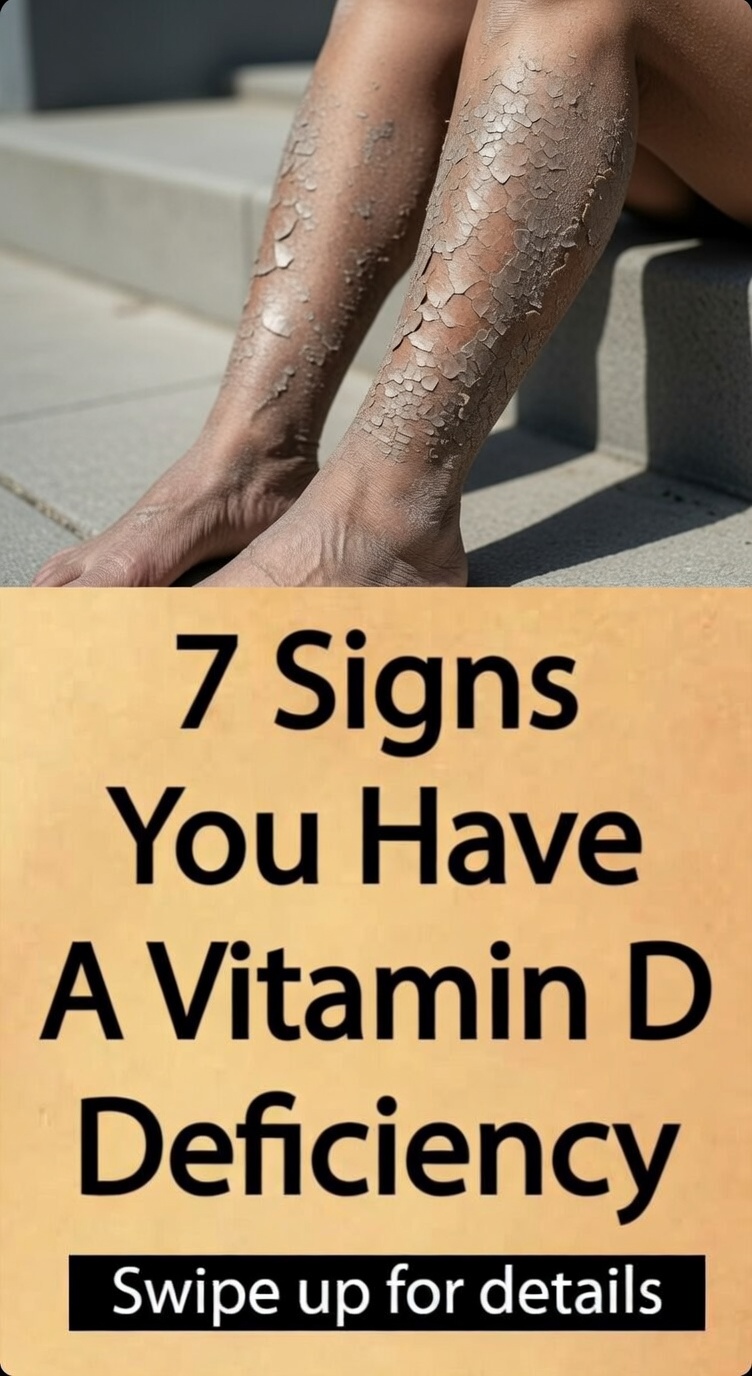
Many of us grew up calling Vitamin D the sunshine vitamin, and that nickname still holds true. Think of it as the body’s solar anchor, a quiet helper that links your strength, stability, and steady mood to light. When your Vitamin D runs low, life can start to feel heavier, slower, and oddly wintry, even when the calendar says it is spring. The good news is that once you recognize the signs, you can guide your body back toward warmth and steady energy.
This friendly guide explains seven common shadows of a Vitamin D drought in plain language. You will see the poetic names first, because they are memorable and meaningful, followed by simple explanations of what is happening in the body and what you can do next. If any of these sound familiar, consider having a conversation with your healthcare provider and asking whether a blood test for Vitamin D would be useful for you.
1. The Marrow-Ache (Bone and Back Pain)
If your bones or lower back feel achy in a deep, nagging way, especially after long periods of sitting or at night, your body may be waving a flag. Vitamin D helps you absorb calcium from food and usher it into your bones. When Vitamin D is low, that flow slows down, and the foundation of the frame can feel tender, sore, or easily strained.
For many people in midlife and beyond, this can show up as stiffness when getting out of bed, discomfort after simple chores, or a dull lower-back throb that does not seem to match the activity you did. Over time, low Vitamin D is linked with lower bone density, which raises the risk of fractures. You do not have to live with that worry unaddressed. A simple blood test, steady intake of Vitamin D, and attention to calcium and gentle weight-bearing movement can strengthen your base again.
What you can do today is make note of when the aches appear, how long they last, and whether they limit your activities. Share that with your clinician. If Vitamin D is part of the issue, restoring healthy levels often brings steadier comfort and confidence when moving about.
2. The Spirit-Dusk (Persistent Low Mood)
Just as the day feels different when clouds block the sun, the mind can feel dim when Vitamin D drops. Many people describe a quiet grayness, a flattening of enthusiasm, or difficulty finding their usual spark. While mood is complex and affected by many things, research suggests that Vitamin D plays a role in brain chemistry and may support the pathways that help you feel balanced.
In some seasons and in certain regions, reduced sunlight adds another layer to this picture. You might notice smaller joys feel muted, or you tire of social plans you once enjoyed. It is not weakness to feel this way. It can be your brain’s way of saying it needs a little more solar support.
If this sounds familiar, consider asking for a Vitamin D test alongside your regular wellness checks. If levels are low, restoring them may help lift the shade a bit. It is not a cure-all for mood, but many people feel a steadier, brighter baseline once their stores are replenished, especially when combined with movement, good sleep, and connection with loved ones.
3. The Lethargy-Tide (Unexplained Fatigue)
Have you ever woken after a full night’s sleep and still felt heavy, as if your limbs were a little leaden? That drag can be a sign that your body’s energy engines are idling. Vitamin D acts like a gentle spark in the tiny furnaces inside your cells, helping them convert fuel into steady power. When levels fall, you may feel like you are walking through the day with the parking brake on.
This kind of tiredness often does not match your activity level. You may be pacing your chores, needing more breaks, or watching your favorite shows with drooping eyes long before bedtime. It can make exercise feel daunting and errands feel larger than they are.
If you recognize this pattern, keep a simple note of when you feel most tired, what you have eaten, and how much time you spend outdoors. Share that timeline with your healthcare provider. If a Vitamin D drought is part of the picture, bringing levels back to the healthy range often helps energy feel more even and dependable.
4. The Slow-Heal (Lingering Wounds)
Scrapes and small cuts usually mend themselves quickly. If you notice that a nick from gardening or a minor kitchen scratch seems to linger, it is worth a closer look. Vitamin D supports the body’s repair crews by helping regulate inflammation and guiding the signals that call in fresh cells to rebuild tissue. When Vitamin D is low, that early-phase teamwork can be sluggish.
This might look like a scab that takes longer to form, a wound that stays tender for days, or a bruise that seems to fade more slowly than it used to. Many factors affect healing, including blood sugar, circulation, and overall nutrition, so it is wise to consider the full picture. Still, Vitamin D is a common missing piece, especially if several other shadows on this list also ring true for you.
If slow healing is new for you, mention it at your next appointment. A balanced approach that includes adequate protein, hydration, gentle movement to support circulation, and healthy Vitamin D levels can help your skin and tissues close the gap more promptly.
5. The Shedding-Shadow (Thinning Hair)
Hair naturally cycles through growth and rest. But when Vitamin D dips, some people notice a shift toward more resting and shedding, leading to a thinner feel at the crown or along the part. Vitamin D interacts with the hair follicle’s life cycle, and when stores are low, follicles may spend too much time idle and not enough in growth mode.
Age, hormones, stress, thyroid function, and nutrition also influence hair. That is why it helps to take a gentle, curious approach rather than jumping to conclusions. If you are seeing more hair in the brush or shower drain, ask your clinician about a broad checkup that includes Vitamin D. If it is low, restoring levels may support healthier turnover and fuller strands over time.
Patience is key here. Hair growth is slow by nature, and it can take several months to notice a difference. Nourishing your body from the inside out, including adequate protein, iron if needed, and Vitamin D, gives your hair its best chance to reclaim volume.
6. The Fragile-Shield (Frequent Illness)
Do you catch every cold that drifts through the family or the office? Your immune system is your shield, and Vitamin D helps train and steady that defense. It supports the cells that recognize and respond to unwelcome germs, and it helps keep inflammation in balance so you recover more smoothly.
Low Vitamin D does not guarantee you will get sick, but it can make your defenses less sure-footed. If you are picking up one bug after another, or your recoveries stretch longer than they used to, consider whether Vitamin D could be part of the explanation. This is especially relevant during seasons with limited sun or if you spend most of your days indoors.
Bringing your levels into a healthy range, along with caring for basics like sleep, hydration, and steady nutrition, can help your immune shield feel better tempered. If you have ongoing medical conditions or take medications that affect immunity, collaborate with your healthcare team for a tailored plan.
7. The Muscle-Twitch (Weakness and Cramps)
Muscles rely on a careful dance of minerals to contract and relax. Vitamin D helps your body manage calcium and supports the signals that tell muscle fibers when to fire. When Vitamin D is low, those signals can become jumpy or faint, leading to nighttime cramps, twitching eyelids, or a sense that stairs and grocery bags feel heavier than they should.
Many people describe feeling unsteady when rising from a chair, or they tire quickly when holding a posture, like standing at the sink. Over time, this can sap confidence and slow daily routines. If that sounds familiar, it is worth asking for a Vitamin D check. Strength often responds positively when levels improve, especially when paired with simple, regular movement such as short walks or gentle strength work that suits your joints.
Understanding Why These Shadows Gather
As we move through our 40s, 50s, and 60s, several changes make a Vitamin D drought more likely. Skin becomes less efficient at producing Vitamin D from sunlight. We may spend more time indoors or use more sun protection, both of which lower production. Digestion can be less efficient at absorbing nutrients. Certain medications can also influence how Vitamin D is processed. None of this is a cause for alarm; it is simply a reminder that maintenance matters a bit more with each passing decade.
Because Vitamin D connects to bones, muscles, mood, immunity, and healing, a shortage can echo through the body in several ways at once. That is why you might see two or three of the signs above traveling together. The encouraging part is that solutions are usually straightforward once you and your clinician identify the gap.
The Solar Re-Entry Mandate: Helping Vitamin D Do Its Job
Vitamin D is fat-soluble, which means it travels best when it hitches a ride with healthy fats. This is the heart of the Solar Re-Entry Mandate. Whether you make Vitamin D from sunshine or get it from foods and supplements, pairing it with a source of fat improves how well your body absorbs and uses it.
In everyday terms, that could look like enjoying a serving of fatty fish, eggs, avocado, nuts, or olive oil with your meal. If you take a Vitamin D supplement, many people find it works well with breakfast or lunch that contains some healthy fat. Cod liver oil is a traditional example of a fat-rich source that also brings Vitamin D along for the ride. The goal is not to chase large amounts of fat but to give Vitamin D a steady, reliable anchor so it can move from the gut into your bloodstream and onward to your bones, muscles, and immune cells.
Sunlight, Food, and Supplements: Finding Your Best Mix
A gentle plan often combines a bit of smart sunlight, nutrient-dense foods, and, when appropriate, a supplement. Sunlight can help your skin make Vitamin D, particularly when the sun is higher in the sky. Short, sensible exposures tailored to your skin type and local climate can contribute. If you have a history of skin cancer or are under guidance to avoid sun exposure, lean on food and supplements instead. Your safety comes first.
Food can carry you a long way. Fatty fish like salmon, mackerel, or sardines naturally contain Vitamin D. Eggs and fortified foods add more. Remember the fat anchor: a meal that includes these foods along with healthy fats helps your body absorb the vitamin efficiently. Over time, steady habits beat occasional bursts.
Supplements can be very helpful when sun and diet alone are not enough. Many adults use daily Vitamin D3 because it mirrors the form your body makes from sunlight. The right amount varies. Your clinician can advise based on a simple blood test and your health history. It is wise to avoid guessing at large doses for long periods without guidance. More is not always better, and your provider can help you find the sweet spot where benefits are clear and safety is assured.
Safety, Balance, and What to Ask Your Clinician
Before you begin or change a supplement routine, consider a short checklist. Ask whether any of your current medications interact with Vitamin D or calcium. Discuss your personal and family history of kidney stones, parathyroid conditions, or other concerns that would affect dosing. If your levels are low, work with your clinician on a plan to recheck them after a few months to confirm you are on track.
It can also help to review your broader nutrient picture. Calcium, magnesium, and Vitamin K play supportive roles in bone and muscle health. You do not need to juggle a cabinet full of bottles, but a food-first approach, with supplements filling specific gaps, tends to serve people well.
If you are not sure whether your symptoms relate to Vitamin D, that is normal. Many of the shadows described here overlap with common midlife experiences. A targeted blood test offers clarity and takes the guesswork out of your plan.
Simple Daily Rhythms That Support Your Solar Anchor
Small, steady choices protect your energy more than occasional grand efforts. Try to step outdoors for a few minutes during brighter parts of the day if it is safe to do so. Include a source of healthy fat with meals that contain Vitamin D. Choose proteins you enjoy to support muscle repair. Keep a short note of your energy, mood, and sleep for a week or two; patterns often reveal themselves quickly and give you and your clinician helpful clues.
Movement helps your body make the most of the nutrients you feed it. Gentle weight-bearing activities, such as walking, light household tasks, or simple strength exercises, remind bones and muscles that they are needed. Start where you are and build gradually. Confidence grows step by step.
Bringing It All Together
If you recognize the Marrow-Ache, the Spirit-Dusk, the Lethargy-Tide, the Slow-Heal, the Shedding-Shadow, the Fragile-Shield, or the Muscle-Twitch, take heart. Each is a nudge, not a verdict. They are your body’s way of asking for a touch more light and support. By noticing the signs, pairing your Vitamin D with a fat anchor, and partnering with your healthcare provider, you can restore the solar current that keeps you steady, strong, and engaged with the life you want to live.
One final kindness to yourself is patience. Levels that slipped over months or seasons take a little time to climb back. Most people begin to feel clearer energy and comfort within a few weeks of consistent habits, with fuller benefits arriving over a couple of months. Keep going. Your bones, muscles, mood, and immune shield will thank you.
In every season, remember that your body is designed to adapt and recover. With a bit of sunlight wisdom, nourishing meals, and the right support, you can re-anchor your vitality to the rhythm of light and step forward with confidence.



