Imagine opening your pantry, reaching for four everyday ingredients, and stirring together a comforting syrup that helps you feel supported through seasonal changes. Many families have passed down this simple kitchen remedy for generations, valuing it for its soothing qualities and thoughtful blend of natural goodness. This orange and onion wellness mix brings together red onion, orange, lime, and honey, creating a gentle, tasty syrup you can keep on hand when you want a little extra care for your throat, energy, and overall well-being.
What makes this syrup so appealing is how straightforward it is. There is no complicated equipment, no hard-to-find ingredients, and no need for special techniques. You simply slice, layer, and let time do a bit of the work. The result is a naturally infused syrup that carries the bright flavor of citrus, the floral sweetness of honey, and the mellow, beneficial notes of red onion. Many people find that this combination is gentle enough for daily use while still offering a sense of comfort when the air is dry, the seasons are changing, or your voice and throat could use a soothing touch.
Why Each Ingredient Is Essential
Each part of this mix plays a thoughtful role. The honey sweetens and blends the flavors while helping to preserve the infusion. The citrus brings a lively lift with its vitamin C and aromatic oils. The red onion provides helpful plant compounds that have long been appreciated in traditional kitchen remedies. When these elements are combined, they create a balanced, pleasant syrup that many people enjoy as part of their wellness routine.
Red Onion
Red onion is often chosen for this recipe because of its deep color and naturally occurring plant compounds. The lovely purple hue comes from anthocyanins, which are the same pigments found in berries and other colorful produce. Red onion also contains quercetin, a well-studied flavonoid appreciated for its antioxidant properties. In the kitchen, onions have traditionally been used to help ease seasonal discomfort and to support clear breathing, especially when the air is cool or dry. When thinly sliced, red onion releases gentle aromatic notes that mellow as the honey and citrus draw out their juices.
Despite what you might expect, the onion flavor in this syrup is not harsh. The sweetness of honey and the brightness of orange and lime round out any sharp edges. As the mixture rests, the onion softens in both texture and taste, lending body and depth rather than intensity. This gentle transformation is part of the magic of the recipe and a reason many people are pleasantly surprised when they take their first spoonful.
Honey
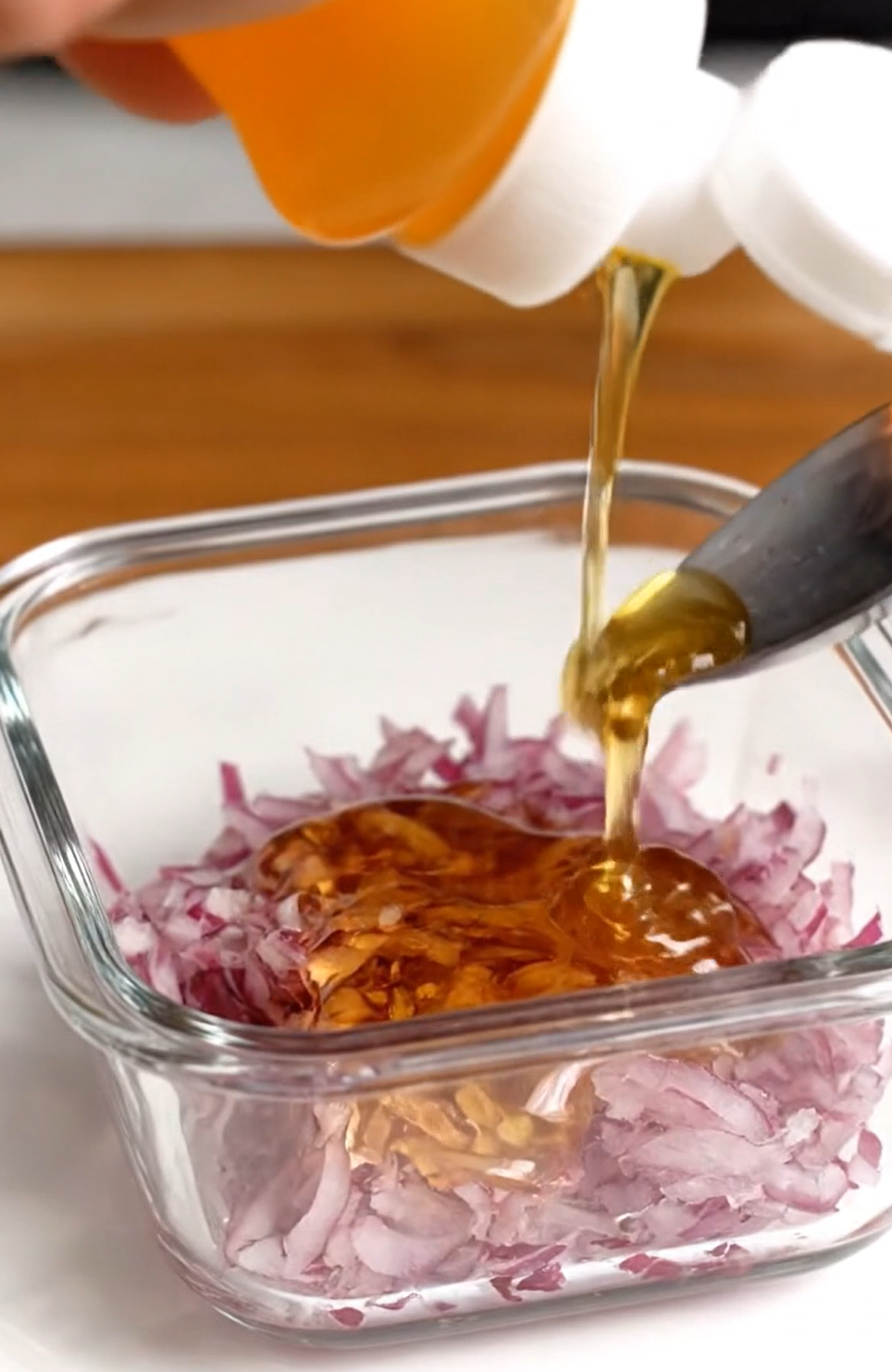
Honey brings more than sweetness to this syrup. It has a comforting, throat-coating character that many people find soothing, especially at the first sign of dryness or scratchiness. In traditional home remedies, honey is valued for its pleasant taste and its ability to help blend and preserve other ingredients. It draws liquids from the fresh produce, helping to create a pourable syrup without the need for cooking.
You can use the honey you have on hand, whether regular or raw. Raw honey will keep more of its natural aromas, while filtered honey offers a clean, consistent taste. Choose whichever you prefer. Keep in mind that honey is not appropriate for children under one year of age. If you monitor your sugar intake, be mindful that honey is a natural sweetener and contributes to total carbohydrates. Many people find that a small daily amount of this syrup is satisfying and easy to fold into their routine without overdoing it.
Orange
Oranges lend cheerful flavor and a welcome boost of vitamin C. The flesh offers natural sweetness and juice, while the aromatic oils in the peel contribute a gently uplifting fragrance. If you include a bit of zest, you will notice a brighter, more rounded citrus aroma. Many people appreciate how orange balances the savory undertone of onion and the richness of honey, creating a pleasant, familiar taste that encourages steady use.
When choosing an orange, look for one that feels heavy for its size. That usually means it is juicy. If you prefer a slightly less bitter taste, you can use mostly the flesh and juice and minimize the white pith. If you enjoy a more complex flavor, a little pith and a touch of zest can add depth. However you prepare it, orange helps bring a sunny note to every spoonful.
Lime
Lime adds a gentle tang that brightens the entire mixture. It contains vitamin C and natural citric acid, which helps the honey pull out juices from the onion and orange. The fresh, zesty taste of lime keeps the syrup from becoming too sweet, making it especially pleasant to sip or stir into warm water. Many people find that even a small squeeze of lime makes the flavors feel cleaner and more refreshing.
If you have a sensitive stomach or are prone to acid reflux, start with a modest amount of lime and see how you feel. You can always add more to taste during your next batch. The goal is a lively, balanced flavor that you truly enjoy and look forward to taking.
Combined Benefits
The beauty of this recipe lies in the balance. Honey comforts and carries the flavors. Red onion contributes antioxidant-rich plant compounds. Orange and lime offer vitamin C and lively aromatics. Blended together, they create a syrup that many people find helpful for soothing the throat, supporting everyday wellness, and bringing a bit of brightness to the day.
As you use it regularly, you may notice simple, practical benefits. The syrup feels smooth and calming on the throat. The citrus offers a gentle lift when you need it. The subtle onion notes remind you this is a whole-food preparation crafted in your own kitchen, not something artificial or overly processed. Best of all, the flavor is friendly and familiar, so it is easy to make a small daily habit that fits your preferences and routine.
What You’ll Need
To prepare a small jar for personal use, gather one medium red onion, one juicy orange, and one fresh lime. You will also need enough honey to cover the sliced ingredients in your jar. A clean glass jar with a tight lid works well, and a small cutting board with a sharp knife will make the slicing simple. If you have a fine strainer or cheesecloth, you can use it to clarify the syrup later, though many people prefer to leave the infusion as is and spoon it directly from the jar.
Choosing good produce makes a difference. A firm red onion with bright, unblemished skin and a mild scent will give you the best flavor. Pick an orange that feels heavy and a lime that yields slightly when pressed. These small details help the syrup taste its best and ensure you get plenty of juice and aroma in every batch.
How to Prepare
Begin by washing the orange and lime with warm water and drying them. If you enjoy a bit of zest, gently grate a small amount of the outer colored peel from each fruit, taking care to avoid too much of the white pith. Set the zest aside. Next, peel the red onion and slice it into thin rounds or half-moons. Thin slices help the honey and citrus draw out the onion’s beneficial juices more efficiently.
Slice the orange and lime. You can cut them into thin rounds and then halve those rounds, or simply segment the fruit and remove any seeds. If you prefer a smoother final texture, squeeze some of the juice into a small bowl and reserve the rest of the fruit for layering. There is no single correct method here. Use whichever approach feels easiest and most comfortable for your hands and your kitchen setup.
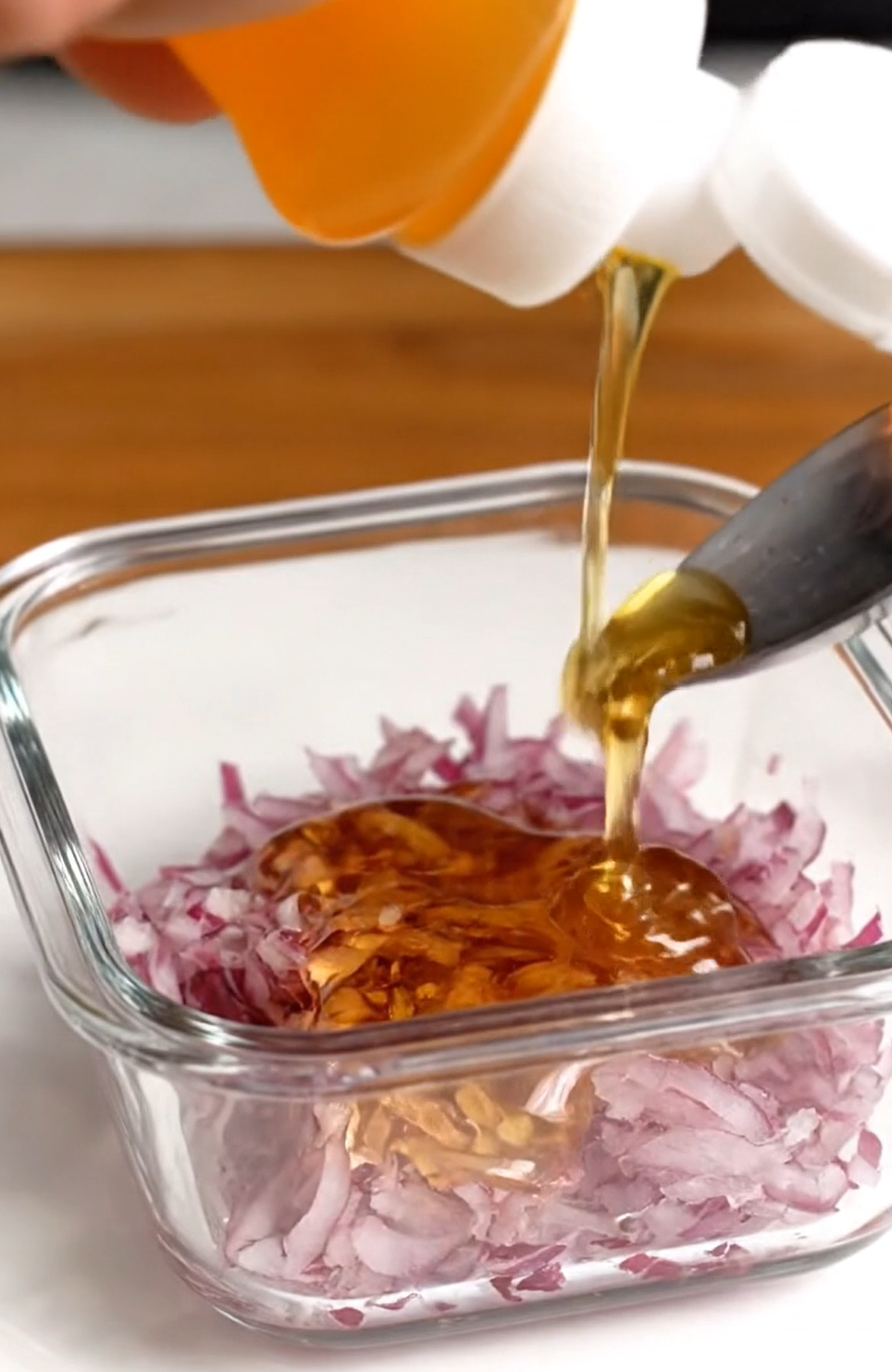
Place a layer of onion slices in the bottom of your clean jar. Add a few pieces of orange and lime, and sprinkle in a touch of zest if you are using it. Spoon in enough honey to lightly cover the layer. Continue building gentle layers of onion and citrus, pausing between layers to add more honey. As you work, the honey will start to flow around the ingredients and move toward the bottom of the jar. When the jar is filled, finish with a final, generous pour of honey to make sure everything is well covered.
Seal the jar with its lid and set it on the counter at room temperature for several hours to begin the infusion. Many people like to leave the mixture for about 12 to 24 hours before moving it to the refrigerator. During this time, the honey will thin slightly as it draws moisture from the fruit and onion, creating a pourable syrup. You can give the jar a gentle turn or tip now and then to help everything mingle, but vigorous shaking is not necessary.
Once the syrup has developed, you can use it as is or strain it for a clearer texture. Straining through a fine mesh or cheesecloth will remove the solids and yield a smooth, golden liquid with a hint of blush from the red onion. If you prefer a more rustic approach, leave the solids in the jar and spoon out what you need each time. Refrigerate the finished syrup, and aim to use it within two to three weeks for the best flavor and freshness.
How to Take
For everyday support, a common approach is to take a teaspoon or two once or twice a day. Many people enjoy a spoonful in the morning and another in the late afternoon, especially when the weather is changing or the air feels dry. If you sense that you are run down, you can take a slightly larger spoonful for a day or two, listening to your body and adjusting as you go.
If you prefer to sip rather than take it straight, stir a spoonful into a cup of warm water or a mild herbal tea. Avoid very hot water, which can diminish some of honey’s delicate aromas. Warm water helps the syrup blend smoothly and creates a comforting drink that is easy to enjoy slowly. Some people also drizzle a little over sliced fruit or stir it into a simple vinaigrette for a gentle citrus-onion note in a salad. Use whatever feels pleasant and sustainable for you.
What to Expect
When you first taste the syrup, expect a bright, honeyed citrus flavor with a soft, mellow onion background. The onion will not come through like a sharp bite; instead, it adds a sense of warmth and depth. The texture will be smooth and a little silky, and it may thin slightly over the first few days as the infusion continues in the refrigerator. The color often deepens into a light amber with a hint of pink from the red onion skins.
Many people notice that the syrup feels soothing on the throat, especially when taken slowly. While this is not a cure-all, it can be a comforting companion during cool mornings, after talking for long periods, or simply when you want a gentle, nurturing moment in your day. As with any home remedy, your experience will be personal. The key is steady, moderate use and attention to how you feel over time.
Helpful Tips
Small choices can elevate your results. If your honey is very thick, set the jar in a bowl of warm water for a few minutes before you begin. This makes pouring easier and helps the honey settle into the layers. If you enjoy a brighter flavor, include a touch of citrus zest. If you prefer a gentler profile, use mostly the fruit’s juice and flesh and a little less zest or pith.
Consider the shape of your jar as well. A wide-mouthed jar makes layering and spooning simple, which is especially helpful if you prefer to keep the solids in the syrup. If you plan to strain, a funnel and clean bottle make storage tidy and efficient. After each use, wipe the jar rim so the lid closes cleanly. This small habit helps keep your syrup fresh and easy to open.
If you find yourself with leftover solids after straining, do not rush to discard them. They can be steeped in warm water to create a quick, aromatic cup that carries the same comforting notes as the syrup. The second infusion will be lighter, but it is still pleasant and reduces waste. When the flavors fade, compost the solids and wash the jar thoroughly before your next batch.
Important Reminders
As with any food-based preparation, a few practical notes help keep the experience positive. If you have known allergies or sensitivities to onion, citrus, or honey, this recipe may not be right for you. If you manage blood sugar or follow a specific medical plan, remember that honey contributes natural sugars, so measure your portions and fit the syrup into your overall goals. Honey should not be given to children under one year of age.
If you live with acid reflux or sensitive teeth, sip the syrup diluted in warm water and consider rinsing your mouth with plain water afterward to care for your enamel. Store the syrup in the refrigerator and aim to finish it within two to three weeks. If you ever notice an unusual smell, visible mold, or separation that seems off, it is best to discard the batch and start fresh. Clean tools and a well-sealed jar go a long way toward keeping your syrup wholesome.
If you take prescription medications or manage a chronic condition, it is always wise to discuss new herbal or food-based practices with your healthcare professional. This is a simple kitchen remedy, but your personal health situation is unique. A quick conversation ensures that your routine supports your overall plan and helps you feel confident as you use the syrup.
Start Making It Today
There is something deeply satisfying about making a wellness syrup with your own hands. You can see every ingredient and tailor the flavors until they suit you perfectly. The steps are easy, the ingredients are affordable, and the results are both tasty and comforting. Whether you take a spoonful in the morning to greet the day or stir it into warm water as the sun sets, this orange and onion wellness mix can become a small, steady ritual that supports you through the seasons.
When you are ready, gather a red onion, a bright orange, a fresh lime, and the honey you enjoy most. Slice, layer, and pour, then let time draw out the goodness. Store your jar in the refrigerator and use it regularly. Pay attention to the flavors you love and the small habits that help you feel your best. With a single jar, you can bring a touch of warmth and care into your kitchen, one soothing spoonful at a time.