Those small, glossy black papaya seeds that most of us simply scoop out and toss are more interesting than they look. For generations in many parts of the world, these peppery seeds have been valued as a simple, natural way to gently nudge digestion in the right direction. When the fresh seeds are crushed and mingled with the bright acidity of lime juice, they form a brisk, aromatic tonic that many people find helps them feel lighter and more comfortable after meals.
If you are looking for a straightforward kitchen remedy that feels refreshing rather than heavy, this pairing is a thoughtful option. It uses ingredients you may already have on hand, and it does not require special equipment or complicated steps. The key is a careful, modest approach. Because the flavor is bold and the mixture is quite concentrated, a very small amount is usually enough to do the job.
The Science of the Seed
Most people discard papaya seeds without a second thought, but these tiny kernels are surprisingly complex. They naturally contain the enzyme papain, which helps break down proteins. Papain has a long history of culinary and traditional use because it can make proteins easier to handle, both in the kitchen and, for some people, in the digestive tract. The seeds also provide a bit of fiber and aromatic compounds that give them their pepper-like bite.
Researchers have found that papaya seeds contain plant compounds such as isothiocyanates and polyphenols. These substances contribute to the seeds’ intense flavor and have been studied for their antimicrobial and antioxidant characteristics. While modern science is still exploring exactly how these compounds act in the body, traditional wellness practices have long leaned on them to help keep the digestive environment feeling clean and balanced.
Lime plays its own part in this partnership. Fresh lime juice is naturally acidic and rich in vitamin C. That bright acidity can be invigorating on the palate and may help wake up the senses before a meal. It also blends well with the seeds’ aromatic oils when the seeds are crushed, which is why preparation matters. By combining the two, you create a sharp, lively mixture that feels both cleansing and energizing.
Why This Can Be Helpful as We Age
It is common for digestion to feel a bit different as we reach our fifties and sixties. Meals that once felt effortless may sit heavier, and we may notice occasional bloating, a sensation of fullness, or irregularity. Several factors can contribute to this, including changes in stomach acid, shifts in gut bacteria, and a natural slowing of the digestive rhythm. Gentle, food-based supports can sometimes make a noticeable difference.
The papaya seed and lime blend fits nicely into this idea of simple, kitchen-friendly support. It is not a cure-all, and it should not replace care from your healthcare provider, but many people appreciate how a small, zesty dose can make a meal feel smoother. The key is to start low, go slow, and see how your body responds. For many, the ritual itself—preparing the seeds, squeezing the lime, and taking a small, mindful sip—can be grounding and satisfying.
The Preparation: A Traditional Method
Making this elixir is less about cooking and more about unlocking what is already present inside the seed. The firm outer shell softens when you crush the seeds, releasing aromatic oils and the enzyme-rich interior. When these freshly crushed seeds meet the acidity of lime juice, the flavors marry quickly, producing a lively, peppery tonic with a clean, citrus edge. This step is sometimes called “activating” because you are letting the seeds and juice interact at their freshest and most potent.

What You’ll Need
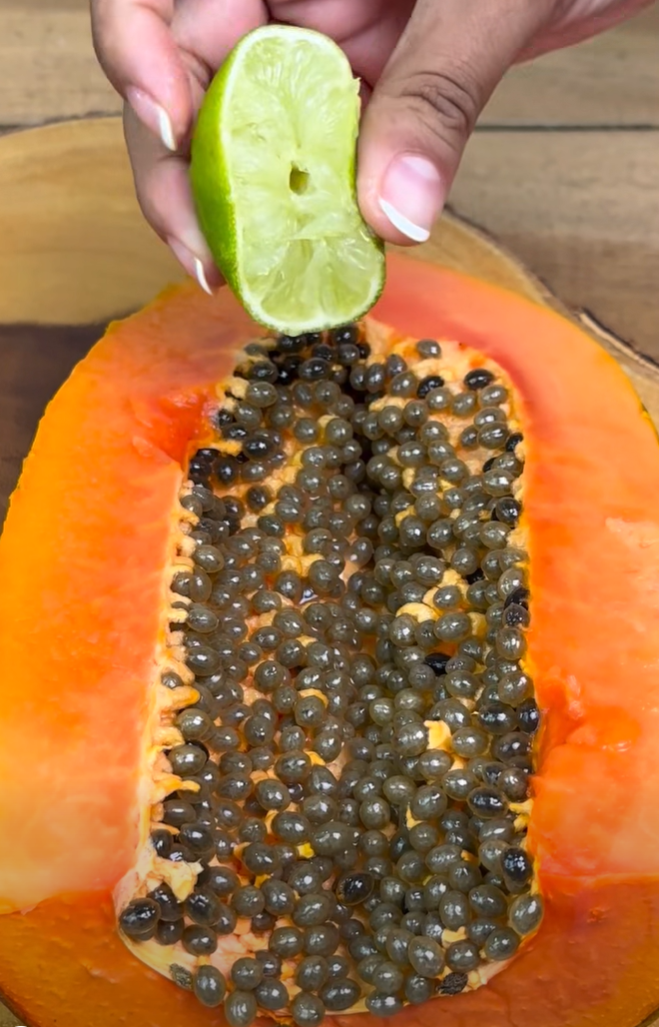
You will need a ripe papaya, preferably one that feels slightly soft to the touch and smells sweet at the stem end. The seeds should be glossy and dark. You will also need one fresh lime. If limes are not available, a fresh lemon can work in a pinch, though lime has a distinctive brightness that complements the seeds especially well.
A small mortar and pestle makes quick work of crushing the seeds, but a sturdy spoon and a bowl can stand in just fine. A fine-mesh strainer is helpful if you prefer a smooth liquid without grit, and a small glass or jar will hold the finished elixir. Clean, cool water is useful for diluting the tonic to a comfortable strength when you are ready to sip.
For a single, short round of use, you can start with about one to two teaspoons of fresh papaya seeds from a medium papaya and the juice of half to one whole lime, depending on how bold you prefer the flavor. This amount will yield a small quantity of concentrated liquid, which is plenty, because only a small dose is needed at a time.
Step-by-Step Instructions
Begin by slicing the papaya lengthwise and scooping the seeds into a small bowl. Give the seeds a quick rinse under cool water to remove the clingy bits of pulp, then pat them dry with a clean towel. The goal is to keep the mixture concentrated, so avoid soaking the seeds for long periods.
Place the clean seeds into your mortar or bowl. Use the pestle or the back of a sturdy spoon to gently press and roll over the seeds. You will feel them give way as the outer layer cracks. You are not trying to make a paste; you simply want to bruise and break the seeds so that their aromatic oils and enzymes can be easily released.
Cut your lime and squeeze the juice directly over the crushed seeds. You should see the mixture turn slightly cloudy as the seed contents swirl into the citrus. Stir slowly for a minute to help the flavors merge. If you prefer a completely smooth tonic, strain the mixture through a fine-mesh strainer into a small glass. If a bit of texture is acceptable to you, you can leave some fine seed particles in the liquid.
Taste a tiny drop on the tip of your tongue. The flavor should be brisk and peppery with a clean citrus finish. If it tastes too strong, add a splash of cool water to soften the edges. If it seems too mild, a touch more lime juice will brighten it quickly.
Allow the mixture to rest for five to ten minutes. This brief pause helps the seed oils mingle more fully with the lime juice. After this short rest, the elixir is ready for careful, small-dose use.
Flavor Notes and Simple Adjustments
The natural flavor of papaya seeds can surprise people who have never tried them before. They have a pepper-like heat, along with a faint earthiness. The lime provides a clean, zesty counterpoint. If the mixture tastes too assertive at first, consider diluting your serving with a larger amount of water, or take it mixed into a few spoonfuls of plain yogurt. Many people find the combination of tangy yogurt and the citrusy, peppery elixir pleasantly balanced.
Those who enjoy a slightly sweeter profile can soften the edges with a small drizzle of honey, provided they tolerate it and do not need to restrict sugars. Another simple option is to blend a few crushed seeds with a squeeze of lime into a splash of sparkling water for an aperitif-style sip before a meal. The bubbles lighten the intensity without changing the core of the remedy.
How to Utilize This Remedy
This elixir is meant to be used in very small amounts. A common starting point is a quarter to a half teaspoon of the strained liquid, diluted in a few ounces of water. Sip it slowly ten to twenty minutes before a meal when you want a little extra digestive support. Some people prefer to take it right after eating heavier foods; either approach can be reasonable, so feel free to experiment gently and notice your own response.
Because the mixture is concentrated, more is not better. Stay with a low dose and see how you feel over the next hour. If it sits well, you might repeat the same small amount before one meal the next day. Many people use the elixir for three to five days in a row and then take a break to give the body time to settle and reset. This stop-and-start pattern helps you observe what is actually helpful without overdoing it.
Another simple way to enjoy the seeds is in food rather than as a tonic. A few freshly crushed seeds can be sprinkled over a salad or stirred into a mild salsa with a squeeze of lime. This approach still offers the peppery lift while blending seamlessly into a meal. However, be mindful that even in food, the seeds are potent; a small pinch can go a long way.
Storage and Freshness
For the best flavor and effect, prepare only what you plan to use within a day or two. If you have a small amount left after straining, cover it and store it in the refrigerator. Use it within forty-eight hours for peak freshness, as the bright top notes of lime and the seed aromatics can fade with time.
If you are curious about keeping seeds for later, you can dry them briefly on a plate in a cool spot, then store them in a small jar. Dried seeds will be less aromatic than fresh ones, but they can still be crushed and combined with lime juice when you are ready. Many people prefer to work with fresh seeds because the fragrance and flavor are livelier, and the preparation feels more like a mindful, moment-to-moment ritual.
Important Safety Information
This is a strong, concentrated kitchen remedy. Small amounts are essential. If you are new to papaya seeds, begin with a very low dose and pay attention to how you feel. If you notice stomach discomfort, heartburn, or any unusual symptoms, stop using it and give your system time to settle.
People with sensitive stomachs, a history of gastritis, reflux, or ulcers should be cautious. The combination of acidity and peppery compounds can be too stimulating for some. If you fall into this group, consider discussing the idea with your healthcare provider before trying it, or skip it altogether in favor of gentler options that you already know agree with you.
If you have a known allergy to papaya or latex, avoid papaya seeds and products made from them. Allergic reactions can vary in intensity and should be taken seriously. Similarly, if you are pregnant or breastfeeding, do not use this remedy. Traditional use often cautions against papaya seed consumption during pregnancy, and the safety of concentrated amounts in these periods has not been established.
Those who take prescription medications, including blood thinners, antiplatelet medicines, diabetes medications, or acid-reducing drugs, should speak with their clinician before trying this tonic. Foods and supplements can interact with medicines in unexpected ways, and your healthcare provider can help you determine what is suitable for your specific situation.
It is also wise to care for your teeth when enjoying acidic drinks. After sipping anything with lime or lemon, consider rinsing your mouth with plain water. This simple step helps protect tooth enamel from prolonged acid exposure without diminishing the digestive effects of the elixir.
Finally, while you may come across many claims about papaya seeds, keep a balanced perspective. Early research on certain seed compounds is promising, and traditional practices are informative, but not every claim has been firmly proven. Treat this tonic as one small tool in a broader approach to well-being that includes wholesome meals, regular movement, restorative sleep, and routine medical care.
Common Questions, Answered
Many people ask whether they can simply chew the fresh seeds as they eat their papaya. The answer is yes, in small amounts. Chewing releases the oils, much like crushing does, and the peppery flavor will be noticeable. If you are new to the taste, try just a few seeds at first. For those who prefer a smoother, more measured experience, the crushed-seed-and-lime method offers more control over the intensity of each sip.
Another frequent question is whether lemon can replace lime. Lemon will work in a practical sense, and some enjoy its gentler aroma. That said, lime has a distinctive brightness that pairs especially well with the seeds’ heat, which is why it is often recommended. If all you have is lemon, go ahead and try it; you can always adjust the strength by adding more or less juice until it suits your palate.
People also wonder how often to use the elixir. Think of it as an occasional support rather than a daily staple. A short stretch of several days is usually plenty to gauge whether it feels helpful. If you like it, you can revisit it from time to time, always keeping the dose small and noting how your body responds. If you do not notice a benefit, there is no need to push forward; simply enjoy your papaya as fruit and move on.
Bringing It All Together
The charm of the papaya seed and lime elixir lies in its simplicity. You take something that is usually thrown away, combine it with a fresh squeeze of citrus, and in just a few minutes you have a bright, peppery tonic that many find supports comfortable digestion. There is no complicated technique, and the ingredients are humble. Yet the effect can feel surprisingly refined—clean, brisk, and enlivening.
As with any kitchen remedy, let your own experience guide you. Start small, be consistent for a short period, and pay attention to the signals your body sends. For some, the reward is a gentle, reliable sense of ease after meals. For others, the lesson might simply be a new appreciation for the whole fruit and the many ways it can be enjoyed.
Embrace the whole fruit—next time you enjoy a papaya, consider setting aside a spoonful of those glossy seeds. With a quick crush and a squeeze of lime, you will have a simple, time-honored tonic ready to sip. It is a small act, but it can bring a bright note to your routine and help your meals feel a little lighter, one thoughtful sip at a time.