
When a stubborn cough keeps you up at night or your throat feels scratchy and sore, you do not always have to rely on pharmacy shelves to feel better. Many people find lasting comfort with a simple, time-tested mixture you can make in minutes: honey, fresh lemon, and just a pinch of salt. This gentle home remedy coats the throat, eases irritation, helps thin mucus, and supports your body as it clears out the germs that are making you feel unwell. It is easy to prepare, pleasant to take, and kind to a sensitive throat.
Why This Simple Mixture Works
Honey is the soothing star of this remedy. It is thick and naturally rich in plant compounds that calm irritated tissues. When you take a spoonful of honey, it forms a protective layer along your throat, which can reduce that raw, scratchy feeling and calm the urge to cough. Many people find that a spoonful before bed helps them sleep more comfortably. Honey also contains natural antimicrobials, which means it can help discourage some of the germs that contribute to throat infections.
Lemon brings bright flavor and helpful acidity. The tartness of lemon stimulates saliva, keeping your mouth and throat moist, which is important when a cough has been drying you out. The gentle acidity can help loosen thick mucus, making it easier to clear your airways. Lemon also contains vitamin C and other plant compounds that support your immune system while your body works to recover.
The pinch of salt might seem surprising, but it adds a practical benefit. Salt helps to draw fluid out of swollen tissues, easing puffiness and calming a puffy, inflamed throat. It also supports the natural cleansing process in your mouth and throat, which can help reduce irritation. Used sparingly, it deepens the soothing effect of honey and lemon without making the mixture uncomfortably salty.
Together, these three ingredients provide a balanced approach. Honey coats and calms, lemon helps loosen and refresh, and salt supports the throat’s own cleansing process. The result is a simple mixture that feels gentle yet effective, especially during those first days of a cold or when a lingering cough refuses to quit.
The Preparation
This remedy is meant to work quickly by hugging the throat like a soft, protective blanket. Instead of sipping a large cup of tea, you take a small amount of a concentrated syrup. That thicker texture allows the honey to stay in contact with irritated tissues longer, which is one reason many people find that it quiets a nagging cough more reliably than thin liquids. You can make one serving on the spot, or prepare a small jar to keep in the refrigerator for a few days of use.

Ingredients:
Use two heaping tablespoons of honey. A mild, raw, or lightly filtered honey works beautifully because it keeps its natural soothing qualities. If raw honey is not available, any good-quality honey you enjoy will do.
Squeeze one tablespoon of fresh lemon juice. Fresh lemon has a clean flavor and a gentle acidity that is ideal for a sore throat. If squeezing is difficult for your hands, bottled pure lemon juice can be a practical alternative.
Add a small pinch of fine salt. Think of it as a light seasoning, not a full measure. A pinch is typically less than one eighth of a teaspoon, just enough to enhance the soothing effect without being noticeable in taste.
Warm water is optional. A teaspoon or two of warm (not hot) water can loosen the mixture if you prefer a gentler, easier-to-sip texture. Keeping the temperature warm rather than hot helps preserve the helpful qualities of honey and keeps the lemon from tasting too sharp.
Instructions:
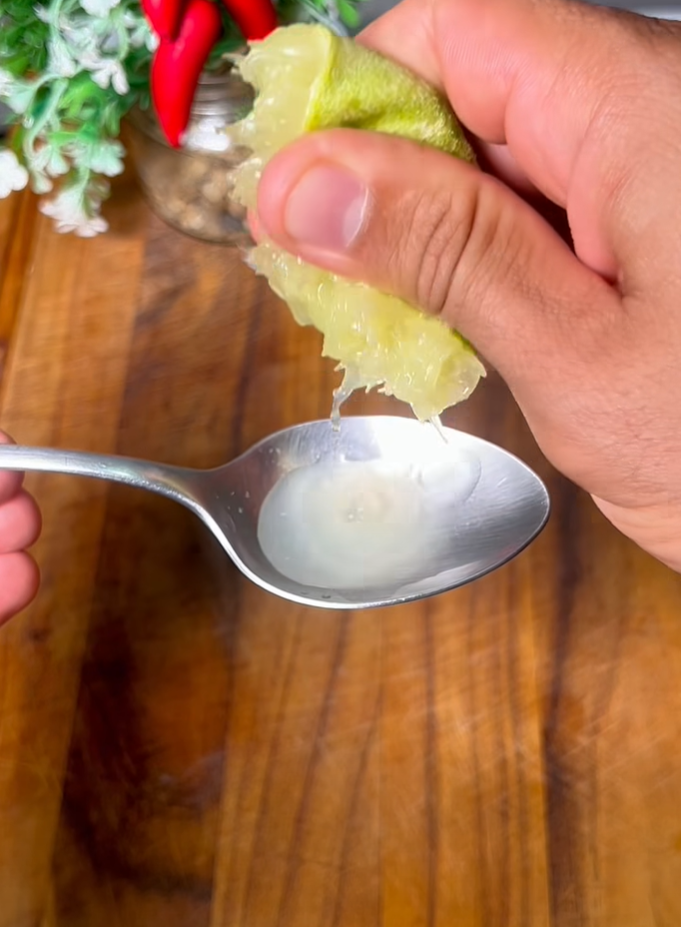
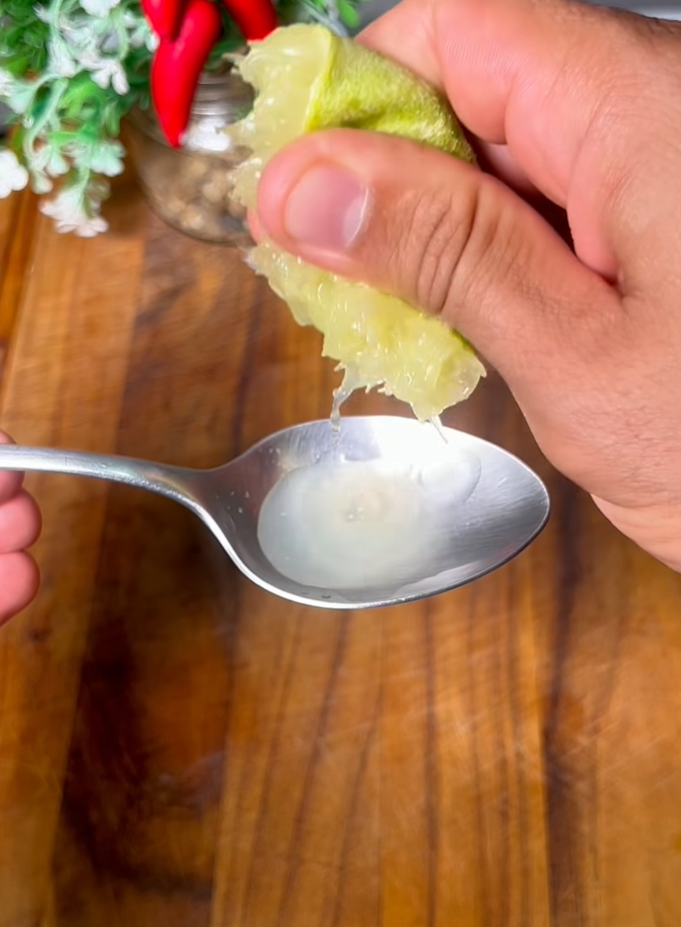
Begin by washing the lemon under warm water and rolling it gently on the counter with your palm. This makes it easier to juice. Cut it and squeeze enough to collect a tablespoon of juice, catching the seeds as you go. If your hands are sensitive, a small handheld juicer can make this step much easier.
Spoon the honey into a small cup or clean jar. Pour in the lemon juice and add your pinch of salt. Stir slowly until the salt dissolves and the mixture looks silky and even. If the honey is very thick from a cool kitchen, add a teaspoon of warm water and keep stirring. The goal is a smooth syrup that slides easily but still clings to a spoon.
Take one to two teaspoons and let it linger in your mouth before swallowing. Allowing it to rest on the back of the tongue and throat for a few seconds helps it coat the irritated area. Repeat every two to three hours as needed, and take a final spoonful before bedtime to help reduce nighttime coughing.
For a warm sip, add the prepared syrup to a small cup and loosen it with a splash of warm water. Keep it pleasantly warm rather than hot. Sip slowly so it can bathe your throat. This is especially nice in the evening when the air is dry or when your voice feels tired.
For a gentle gargle, combine a half cup of warm water with a pinch of salt and a squeeze of lemon, then gargle for 20 to 30 seconds and spit it out. Follow with a spoonful of the honey-lemon-salt syrup to finish with a soothing coat. Gargling helps calm swelling near the back of the throat, while the syrup provides lasting comfort.
Store any extra syrup in a small, clean jar with a lid in the refrigerator. Use a clean spoon each time to keep it fresh. Make only what you expect to use in three to five days so it tastes bright and works at its best. If the mixture separates slightly, a brief stir brings it back together.
When to Use It
Reach for this mixture at the first hint of a scratchy throat or when you begin to clear your throat more often than usual. Early use may slow the irritation before it becomes a deep, persistent cough. Many people also find it helpful during the awkward in-between stage when a cold is fading but the cough keeps hanging on.
Use it during the day if a dry tickle makes it hard to talk on the phone or rest. A small spoonful taken slowly can make conversations more comfortable. In the evening, it can ease that bedtime cough that starts as soon as you lie down. Keeping a small jar on the nightstand can be practical, just remember to keep it away from pets and children.
This remedy can also be comforting after an afternoon of yard work, travel, or time spent in dry indoor air. When heating systems are running or the air is dusty, your throat may feel tired and sensitive. A spoonful helps restore moisture and calm the urge to cough without drying you out.
Helpful Tips for Recovery
Give your body the rest it needs. Even a mild cold is a workout for your immune system, and gentle downtime helps you recover faster. If possible, take short breaks during the day and go to bed a little earlier for a few nights. Good sleep supports healing and often shortens the life of a cough.
Keep fluids steady throughout the day. Warm water, mild broths, and herbal infusions keep mucus thinner and easier to clear. Sipping steadily is easier on a sore throat than taking big gulps. If you enjoy tea, prepare it warm and add the honey-lemon-salt syrup only after the cup has cooled a little so the honey’s gentle qualities stay intact.
Moisten the air around you. A cool-mist humidifier or a simple bowl of water near a heat source can add helpful moisture to dry rooms. When the air holds more humidity, your throat and nasal passages do not dry out as quickly, which may reduce the coughing cycle.
Prop your head slightly at night. A second pillow or an adjustable bed can keep mucus from pooling at the back of the throat. This small change often leads to a quieter night, especially if your cough gets worse when you lie flat.
Be kind to your voice. Whispering can strain the voice more than gentle speech, so speak softly and rest your voice when your throat asks for a break. If you need to clear your throat often, try a small sip of warm water or another spoonful of the syrup instead of a harsh throat clear.
If you enjoy mild spice, a sliver of fresh ginger added to a warm cup can pair nicely with this remedy. Ginger brings a gentle warmth that many find comforting, especially in cool weather. A pinch of turmeric can also be pleasant for some people. Keep the flavors mild so they comfort rather than irritate.
Important Reminders
Honey should not be given to children under one year old. Their digestive systems are not ready to handle honey safely. For older children and adults, including older adults, honey is generally well tolerated, but choose a texture and flavor you enjoy so you will keep up with regular, small doses.
If you manage blood sugar, remember that honey is a natural sugar. The amounts used in this remedy are small, but it still counts toward your daily carbohydrate intake. Consider taking a smaller spoonful more frequently or discussing the best approach with your healthcare provider if you are unsure how it fits into your plan.
Use only a light pinch of salt. If you have high blood pressure, heart disease, or kidney concerns, be mindful of your overall sodium intake. The amount here is small and intended for local soothing, not for heavy seasoning. If you prefer, you can make the mixture without salt and use a separate warm saltwater gargle as needed.
Lemon is naturally acidic. If you have sensitive teeth or reflux, follow a spoonful with a sip of plain water to rinse the mouth. Waiting about 30 minutes before brushing helps protect enamel. If citrus tends to bother your stomach, dilute the mixture with a little warm water and take smaller amounts.
Watch for signs that call for medical attention. Seek care if you have a high fever that lasts more than a couple of days, shortness of breath, chest pain, wheezing, coughing up blood, confusion, signs of dehydration, or a cough that lasts more than three weeks. Also check in with a clinician if you have chronic lung conditions like asthma or COPD and your symptoms are getting worse.
Do not heat honey to a boil. High heat can change both its flavor and some of its gentle, helpful qualities. Warm is perfect; very hot is not necessary. Stir patiently, and the syrup will come together smoothly without aggressive heating.
Use clean utensils and a small clean jar. The fewer times you open the jar and the more you use a fresh spoon, the longer your mixture will taste fresh. If it ever smells or tastes off, or if you see any cloudiness you do not expect, discard it and make a new batch. The ingredients are simple, and a fresh mixture is quick to prepare.
If you take important daily medicines, leave a little space between those and a spoonful of the syrup, especially if you are sensitive to citrus. A gap of 30 to 60 minutes is often comfortable for the stomach. If you have specific questions about medicine timing, a pharmacist or clinician can guide you.
Above all, treat this remedy as a friendly helper, not a cure-all. It can bring real comfort, especially during the aches and tickles of a cold or seasonal irritations. Combined with rest, steady fluids, and a calm routine, it often shortens the bothersome stage and makes each day easier while you heal.
Start with a small spoonful, let it settle gently on your throat, and breathe a little easier. With honey to soothe, lemon to brighten, and a light touch of salt to calm inflammation, you have a simple, reliable companion for coughs and colds—right there in your kitchen.



