
Some of the most soothing kitchen traditions are also the simplest. Red onion tea is one of those quiet comforts you can make with what you already have on hand. While the idea may sound unusual at first, a slow simmer turns the onion’s usual sharp bite into a mellow, rounded flavor. A touch of honey and a hint of citrus bring the cup into balance, creating a warm drink that feels calm, cozy, and reassuring from the first sip to the last.
Why Try Red Onion Tea?
Red onions earn a place in nearly every kitchen for good reason. Raw, they add a lively snap to salads and sandwiches. But when gently simmered in water, they become something entirely different. The edges soften, the flavor sweetens slightly, and the steam carries a homey aroma that feels welcoming without being overwhelming.
Stirring in a spoonful of honey rounds out the flavor in a pleasant, natural way, while a squeeze of lemon brightens the cup so it never tastes heavy. Because there is no caffeine, this drink fits nicely into an afternoon pause or an evening wind-down without bothering your sleep. It is also economical and practical, using ingredients you are likely to have nearby.


Many people reach for red onion tea when they want something grounding. The warmth is soothing, the taste is gentle, and the simple act of preparing it encourages a slower, more mindful pace. It is the kind of cup you hold with both hands as you settle into a chair, read a few pages, or simply enjoy a quiet minute to yourself. If you add a little of the onion’s papery red skin to the pot, the liquid can take on a soft blush that looks as cozy as it tastes.
There is comfort in the tradition, too. Generations have made simple, warm drinks from everyday foods as a small act of care at the end of a long day. Red onion tea fits perfectly into that tradition. It does not require special tools or complicated steps. A pot, some water, a red onion, and a bit of something sweet and bright are enough to make a cup worth lingering over.
Red onions naturally contain plant compounds such as quercetin and other antioxidants that occur in many colorful vegetables. While this tea is not a medicine and is not meant to replace professional guidance, many people appreciate the gentle qualities of whole, familiar foods prepared with care. Think of it as a comforting kitchen ritual rather than a cure-all, and enjoy it for what it is: warm, mild, and quietly pleasing.
Ingredients
You will not need anything fancy to make this drink. A small to medium red onion provides the flavor, and plain water is the base. A spoonful of honey adds smooth sweetness, though maple syrup or another preferred sweetener can work as well. A thin slice of lemon brings a bright note; an orange slice or a few drops of apple cider vinegar can be used instead if you prefer a slightly different kind of tang.
If you enjoy a gentle hint of spice, a small piece of fresh ginger or a light pinch of cinnamon adds warmth without masking the softened onion flavor. These extras are optional. The simplest version uses only onion, water, and a touch of honey—and many people find that combination just right.
For a cup or two, a half to one whole red onion is usually enough, along with two to three cups of water. If you plan to share or would like a second cup later, make a larger batch and adjust to taste. Start lightly with honey and lemon so the onion’s natural sweetness can come forward, and then add more if you find you want it.
How to Prepare It
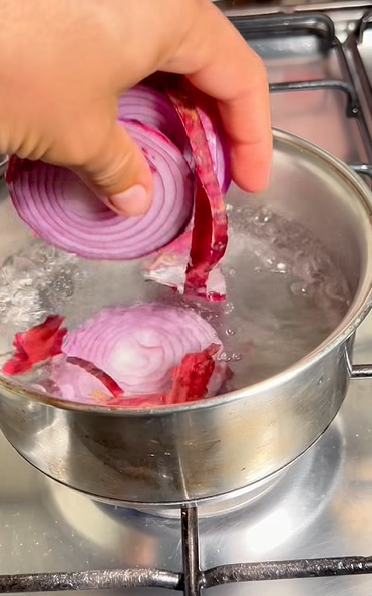
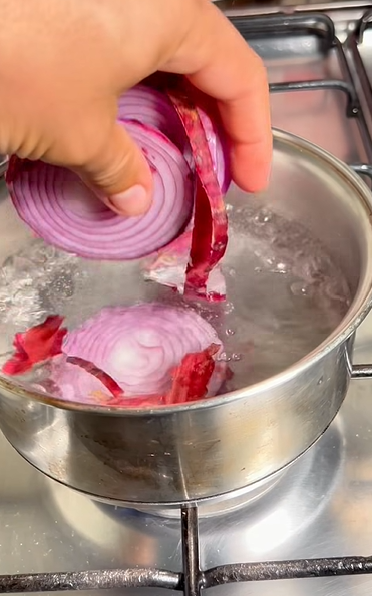
Begin by rinsing the onion under cool water. If the outer skin looks dusty, remove the dry layers, but consider keeping a bit of the red peel for the pot. Including a little of that colorful skin can add a lovely blush and a subtle aroma. If you prefer a very delicate cup, peel the onion fully and use only the inner layers.
Slice the onion into thin rings or small wedges. There is no need for precision; aim for pieces that will simmer evenly. Thinner slices expose more of the onion to the water, which helps the flavor soften and infuse more quickly.
Place the sliced onion in a small saucepan and pour in fresh water. A good place to start is about two cups of water for half a medium onion. If you like a fuller flavor, use a little more onion or allow a slightly longer simmer. If you are new to this drink and want something especially mild, start with less onion and a shorter simmer to let your palate adjust.
Set the pan over medium heat and bring the water to a gentle boil. As soon as it bubbles, reduce to a steady simmer. Partially cover the pan so that a bit of steam can escape while the liquid stays comfortably active. Allow the onion to simmer for ten to fifteen minutes. During this time, the aroma softens, and the water picks up the onion’s quiet sweetness.
Toward the end of the simmer, add a thin slice of lemon or a small squeeze of juice. If you like a cozier flavor, add a small piece of fresh ginger or a light pinch of cinnamon at this point. Give the pot one to two more minutes so the citrus and spice can mingle with the onion.
Turn off the heat and let the pot rest for about a minute. This brief pause helps the flavors settle. Strain the liquid into your favorite mug, catching the onion pieces with a fine strainer or spoon. Sweeten to taste with honey or your preferred sweetener, starting slowly and adding more only if needed. If the tea feels stronger than you like, add a splash of hot water to soften it into a mild, friendly cup.
To keep the kitchen smelling fresh while you simmer, crack a window open or switch on a fan if you have one. The aroma is part of the charm, yet it can linger. A little fresh air keeps the scent gentle and pleasant.
If you would like to make extra for later, simmer the tea a few minutes longer for a slightly stronger base, then strain and cool it before storing. Refrigerate the extra tea once it is no longer hot. When you are ready for another cup, rewarm it gently on the stove, avoiding a hard boil so you keep the mellow flavor you worked to create.
Flavor Tips and Simple Variations
Small choices allow you to make each cup your own. Including a little of the red outer peel gives the tea a soft blush and a hint of deeper character, while leaving it out keeps the tea pale and very delicate. A few thin slices of ginger add cozy warmth, which can feel especially nice on a cool evening. A whisper of cinnamon lends a familiar spice note. If you prefer a brighter finish, add a tiny squeeze of lemon right before drinking rather than simmering the citrus in the pot.
For a dessert-like finish, sweeten with honey and stir in a drop of vanilla after straining. If you prefer to avoid sweeteners, simply skip them and let the onion’s natural softness shine. A tiny pinch of salt can be surprisingly helpful, too. It will not make the tea taste salty; it simply smooths the edges, much like a dash of salt wakes up a gentle soup. Use only a light pinch so the balance stays calm and comforting.
If you are unsure about stronger flavors, begin on the mild side. Use a quarter to a half of a small onion, simmer for ten minutes, and taste. You can always return the pot to the heat for another minute or two if you want more depth. Starting gently ensures your first cup feels friendly, manageable, and easy to enjoy.
When to Enjoy It
This drink shines in quiet, everyday moments. It feels just right in the late afternoon when you want to pause and catch your breath, and it is equally lovely in the evening when you are settling in with a book or soft music. Because it is naturally free of caffeine, it will not unsettle your sleep the way some beverages can.
On cool days, the rising steam feels especially comforting. On warmer days, the mild sweetness and soft aroma can be relaxing after errands or housework. If you prefer, let the tea cool for a minute or two and sip it warm instead of hot. The flavor stays smooth either way, and the gentle heat remains soothing.
Many people enjoy making a small ritual of it. While the onion simmers, tidy the counter, choose a favorite mug, and take a steady, slow breath. By the time the tea is ready, the day often feels a little lighter and more settled.
Simple Notes on Comfort and Care
Red onion tea is a comforting kitchen beverage, not a treatment or cure. If you take medications, follow a specific diet, or have allergies to onions or related vegetables, it is always wise to check with a healthcare professional before trying something new. For most people, this is a gentle, food-based drink made from familiar ingredients, and listening to your own body’s preferences is the best guide.
If you are limiting sugar, use a very small amount of honey or skip sweeteners altogether. You may find the onion’s natural sweetness enough. If you are watching your citrus intake, replace the lemon with a thin slice of apple for a soft fruit note, or simply leave it out. There is no one correct version—only the version that feels right for you.
If strong aromas tend to bother you, simmer with the lid a bit tighter and keep a window open while you cook. Using a stainless steel pot and washing it promptly helps any lingering scent fade quickly. If you prepare more than a single cup, store the extra in the refrigerator and enjoy it within a day for the freshest taste and aroma.
Frequently Wondered About Taste and Strength
People sometimes ask whether this tastes like a bowl of cooked onions. The answer is that it is much gentler. Simmering softens the sharper notes and brings out a quiet sweetness that sits in the background. Honey and citrus do not cover the onion; they support it, creating a balanced cup that feels surprisingly smooth.
If your first cup feels a bit bold, add a splash of hot water to lighten it. If you want more body, return the tea to the pan and give it another minute of gentle heat with the lid mostly on. A minute or two is often all it takes for the flavor to step forward without becoming heavy.
Taking the first sips slowly can help you notice how the flavor opens as the cup cools slightly. Many people find that after a brief rest in the mug, the tea tastes rounder and even more soothing. Give it a little stir now and then to keep the honey and citrus evenly blended from top to bottom.
Storing and Reheating with Care
Red onion tea is at its best when fresh, yet it keeps nicely for a short time. After straining, allow any extra to cool until it is warm rather than hot, then pour it into a clean jar and refrigerate. Enjoy it within twenty-four hours for the best flavor and aroma. When you are ready for another cup, warm it gently on the stove until it is comfortable to sip. There is no need to boil it again.
If you like to plan ahead, make a small concentrate by using a bit more onion and simmering for an extra five minutes. Strain and store this stronger base in the refrigerator. When you are ready to drink, dilute with hot water to your preferred strength, sweeten to taste, and finish with a touch of lemon. This approach is handy on busy days when you still want a calm, homemade cup.
Making It Your Own
One of the pleasures of a simple recipe is how gracefully it adapts. A slightly longer simmer on a cool evening creates a cozier, fuller cup. A lighter touch on a summer afternoon keeps the flavor clear and easy. If you love the rosy tint, remember to include a little of the red peel each time. If you prefer a glass-clear brew, peel the onion completely and savor a pale, gentle cup.
Consider where this tea fits into your day. Some people enjoy it as a quiet prelude to bedtime, others as a warm intermission in the afternoon. The ritual matters as much as the recipe—the slow slice of the onion, the gentle simmer, the steam curling up as you pour, and the calm that follows the first sip.
A Gentle Tradition
The charm of red onion tea is its simplicity. It invites you to slow down, keep things uncomplicated, and take comfort in what you already have. There is no rush and no special tool to search for, and there is no exact rule you must follow. If you simmer a minute longer or shorter, add a touch more honey or a little less lemon, it is still your quiet cup, made your way.
Even if this is your first time hearing about it, you may find it quickly becomes a small, welcome habit. It is easy, affordable, and satisfying to hold. In a world that often moves too fast, a warm mug of something simple can be a steady reminder to breathe and be present.
Pour yourself a cup, sit where you feel most comfortable, and let the gentle heat do its work. Red onion tea may be a humble recipe, but it offers something worth savoring: a calm, soothing pause in the middle of an ordinary day.



