
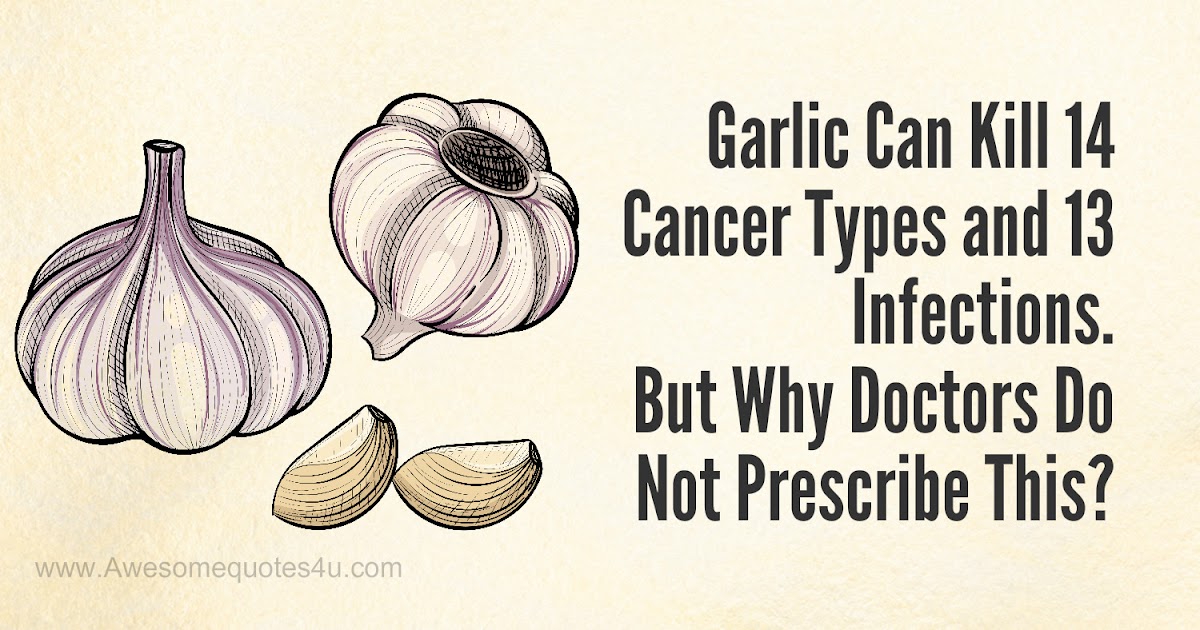
A familiar kitchen ingredient with a big reputation
Garlic has been a trusted companion in home kitchens for generations. Many of us have heard bold claims about what it can do, including stories that it can fight off several kinds of infections and even stand up to cancer. It is understandable why these ideas catch on. Garlic smells strong, tastes satisfying, and has been used in traditional practices for centuries. Still, it is important to take a calm, clear look at what modern science tells us, what it does not, and why your doctor is unlikely to hand you a prescription for garlic, even if they appreciate its potential benefits.
What gives garlic its punch
When you chop or crush a fresh clove of garlic, a natural compound called alliin is turned into allicin. Allicin is partly responsible for the distinctive odor and many of the effects that make garlic interesting to researchers. Garlic also contains a family of sulfur-based substances, along with antioxidants and other plant compounds. These chemicals have been studied in test tubes and animal models for their ability to influence bacteria, viruses, and even the way our cells grow and repair themselves.
It is helpful to remember that what happens in a test tube does not always play out the same way inside the human body. The human body is far more complicated than a lab dish. Compounds must be absorbed, processed, and delivered to the right tissues at the right amounts to make a real difference. That is why the jump from laboratory findings to proven, practical treatment is a big one.
What research suggests about infections
A common question is whether garlic can help keep common infections at bay. Some small studies suggest that certain garlic preparations may reduce how often people catch colds, or may shorten how long cold symptoms last. Other laboratory work shows that garlic extracts can slow the growth of several bacteria and fungi in a petri dish. These findings are interesting and they help guide new research.
There has also been interest in whether garlic can play a role against specific germs in the digestive tract. For example, there is research exploring whether garlic might help control Helicobacter pylori, a bacterium linked with ulcers and stomach irritation. In the lab, garlic compounds can make life harder for some of these microbes. But when it comes to proving clear, reliable benefits in people using well-designed clinical trials, the evidence is mixed and not strong enough to replace standard care.
In plain terms, garlic may support a healthy immune system and may have modest effects in some situations, especially as part of an overall balanced diet. However, it is not a substitute for antibiotics when they are needed, and it is not a cure for viral infections like the flu. Doctors rely on treatments that have been tested thoroughly in large groups of people, with known doses and predictable results. Garlic, as a natural food with many variations in strength and preparation, does not yet meet that standard for treating infections on its own.
What research suggests about cancer
It is understandable to hope that a natural food like garlic might protect us against something as serious as cancer. Scientists have been studying this question for many years. Some observational studies have found that people who regularly eat garlic and other vegetables from the onion family tend to have a lower risk of certain cancers, especially those of the digestive system such as colorectal and stomach cancer. Observational studies are the kind that look at patterns in large groups of people over time. They are useful for finding clues, but they cannot prove cause and effect because many other factors may be involved, including overall diet, exercise, smoking, alcohol, and family history.
Laboratory experiments have shown that garlic compounds can affect cancer cells in ways that are promising. For example, they may slow the growth of some cancer cells or encourage damaged cells to stop dividing. These effects are seen at certain concentrations in controlled settings. Turning that knowledge into a safe and effective treatment for people is a much bigger challenge. It requires clinical trials to define the right dose, the right form of garlic, the right timing, and whether it actually improves outcomes compared with standard care.
So far, clinical trials have not shown that garlic can treat cancer in people. It has not been proven to shrink tumors, cure cancer, or replace chemotherapy, surgery, radiation, or other established treatments. Some studies do suggest that a diet including garlic may be linked with a lower risk of developing some cancers over the long term. That is encouraging, but very different from using garlic as a medicine to treat an active cancer. If you or a loved one is dealing with cancer, it is essential to follow the advice of your oncology team. Garlic can be part of a healthy diet unless your care team advises otherwise, but it should not replace treatments that have been shown to save lives.
Why doctors do not prescribe garlic as a medicine
The first reason is evidence. Doctors prescribe treatments that meet strict standards for safety and effectiveness in people. Prescription drugs go through a long and careful process of testing, including multiple phases of clinical trials. Right now, the evidence for garlic as a treatment for infections or cancer is not strong enough to meet those standards, even though there are positive hints and interesting lab findings.
The second reason is standardization. A clove of garlic from one head may be quite different from a clove from another. Fresh garlic, aged garlic extract, garlic oil, and garlic powder can all contain very different amounts of the active compounds. Even two supplement capsules from different brands can vary widely. Without a consistent dose and a reliable preparation, it is hard for a doctor to prescribe garlic with confidence the way they would prescribe a medication.
The third reason involves safety and interactions. Garlic is generally safe as a food, but concentrated supplements can cause problems for some people. Garlic can thin the blood slightly and may increase the risk of bleeding, especially if you are taking blood thinners or are scheduled for surgery. It can upset the stomach, cause heartburn, or lead to allergic reactions in sensitive individuals. Garlic may also affect how the body processes certain medicines. Because of these uncertainties, doctors are cautious about recommending high-dose garlic supplements.
The fourth reason is regulation. In many countries, foods and dietary supplements are not regulated the same way as prescription medicines. That means they are not required to prove effectiveness for treating a disease before being sold. Doctors work within medical guidelines that favor therapies backed by strong, consistent human evidence. Garlic simply does not have that level of proof for treating infections or cancer at this time.
Where garlic fits in a healthy lifestyle
Even though doctors do not prescribe garlic as a medicine, many encourage their patients to enjoy it as part of a balanced diet. Garlic brings flavor to meals without adding sugar, and it can help you enjoy vegetables, legumes, and lean proteins that support overall health. A diet rich in a variety of vegetables, fruits, whole grains, beans, nuts, fish, and healthy oils is linked with a lower risk of many chronic conditions. Garlic can be one tasty part of that picture.
Cooking methods matter if you are interested in preserving some of garlic’s beneficial compounds. Crushing or chopping garlic and letting it rest for a short time before heating may help more of the helpful compounds develop. Gentle cooking can help preserve flavor and reduce the chance of stomach upset. If raw garlic bothers you, using it roasted or sautéed may be easier to tolerate while still offering enjoyment and some benefits.
Some people consider aged garlic extract or black garlic. These forms are processed differently and may be gentler on the stomach. They contain a different balance of compounds compared with raw cloves. If you prefer supplements, it is wise to speak with a healthcare professional first, especially if you take medicines or have ongoing health concerns. A professional who knows your medical history can help you weigh the possible benefits and the risks.
Common concerns for people in midlife and beyond
If you are between 45 and 65, you may be watching your blood pressure, cholesterol, blood sugar, and weight. You may also be keeping an eye on joint comfort, digestion, and sleep. Garlic has been studied for several of these concerns, particularly heart health. Some research suggests that garlic, especially in certain preparations, may have modest effects on cholesterol or blood pressure. The results vary from study to study, and the effects are usually mild. Garlic should not replace prescribed blood pressure pills, statins, or diabetes medications. Still, enjoying garlic as part of a heart-conscious eating pattern is reasonable and can make healthy meals more satisfying.
Another point to consider is digestion. Garlic is a member of the allium family and can trigger gas, bloating, or discomfort for some people. If you notice that raw garlic does not agree with you, try smaller amounts, cook it more thoroughly, or consider milder forms like roasted garlic. Pay attention to how your body responds and adjust accordingly. There is no one-size-fits-all approach, and comfort matters, especially if you are working toward long-term healthy habits.
Talking with your doctor about garlic
It is always a good idea to tell your healthcare team about any supplements you take, including garlic capsules or concentrated extracts. Bring the product label to your appointment so your clinician can see the dose and ingredients. If you are scheduled for surgery or dental work, mention that you use garlic supplements. Your care team may ask you to stop high-dose supplements ahead of time to reduce bleeding risk. If you take blood thinners or medicines that affect the liver, ask whether garlic supplements are appropriate for you.
For most people, using garlic in cooking does not require special medical guidance. The amounts used in meals are generally small and safe. The main exception is if your doctor has advised you to avoid it due to an allergy or a specific medical condition. When in doubt, a quick conversation can provide peace of mind.
Separating wishful thinking from wise choices
It can be tempting to hope that a simple natural ingredient could cure complicated illnesses. Garlic has earned its reputation as a health-promoting food because of centuries of use and a growing body of research that suggests possible protective effects. At the same time, strong claims that garlic alone can cure infections or cancer are not supported by the best available evidence. These claims can be misleading and may cause people to delay or avoid proven treatments. The safest path is to use garlic as a flavorful, wholesome part of an overall healthy lifestyle while relying on trusted medical care when illness strikes.
Making wise choices is about the big picture. Enjoying home-cooked meals, staying active, getting regular checkups, and managing stress all work together to support your health. Garlic can fit in beautifully. It can make vegetables taste better, help you cut back on salt without losing flavor, and bring variety to your weekly menu. Those small, steady choices often add up to meaningful benefits over time.
Practical ways to enjoy garlic today
If you love the taste of garlic, consider simple ideas that make healthy eating more appealing. A warm vegetable soup with a touch of garlic can be soothing and satisfying. A quick sauté of spinach or green beans with olive oil and garlic can brighten a weekday dinner. Roasting a whole head of garlic until soft and sweet can create a spread you can enjoy on whole-grain toast or alongside grilled fish or chicken. If raw garlic is too strong, mellow it by chopping and letting it sit briefly before adding it to a gentle heat. These small steps keep the experience pleasant and help you get the most from your ingredients.
For those who are curious about supplements, patience and caution are wise. Different products vary widely in strength and purity. If you decide to try one, start low, watch how you feel, and discuss it with your healthcare professional, particularly if you take other medicines. Remember that supplements are additions to, not replacements for, the fundamentals of good health and any treatments recommended by your doctor.
The bottom line
Garlic is a remarkable food with a long history and plenty of reasons to earn a place in your kitchen. It contains natural compounds that have shown promising effects in laboratory studies and may contribute to overall health when included regularly in meals. Some research suggests benefits that are worth continued study, especially for heart health and possibly for reducing the long-term risk of certain cancers. However, garlic has not been proven to treat or cure infections or cancer in people. That is the key reason doctors do not prescribe it as a medicine, along with concerns about standardization, dosing, and interactions.
Enjoy garlic for what it can reliably offer. Let it bring flavor and pleasure to nourishing foods. Use it to help make vegetables, beans, and whole grains taste wonderful. Stay open to new research as it emerges, but keep your decisions grounded in the best evidence available today. If you are considering garlic supplements or have health conditions or medications that might interact with them, talk with your healthcare professional first. With that balanced approach, you can feel confident about making choices that support your well-being now and in the years ahead.



