As the years add wisdom to our lives, one quiet helper often drifts into the background: vitamin D. Many have called it the body’s solar anchor, and for good reason. It is more than a simple nutrient. It behaves like a messenger, guiding how bones harden, muscles fire, and the immune system stands guard. When vitamin D runs low, the body can feel as if it has slipped into a kind of winter. Energy fades, joints complain, and even the spirit can feel dimmer than it should. If you have ever wondered why sleep no longer restores you or why small scrapes seem slow to close, a vitamin D drought could be part of the picture.
Think of vitamin D as the link between daylight and daily strength. Our skin can make it from sunshine, and our diet can supply it in smaller amounts. Over time, however, indoor living, cautious sun habits, certain medications, and changes that come with age can all lower our levels. The good news is that the body responds well once we notice the signs and begin to restore what is missing. Recognizing the patterns is the first step back to steadier footing.
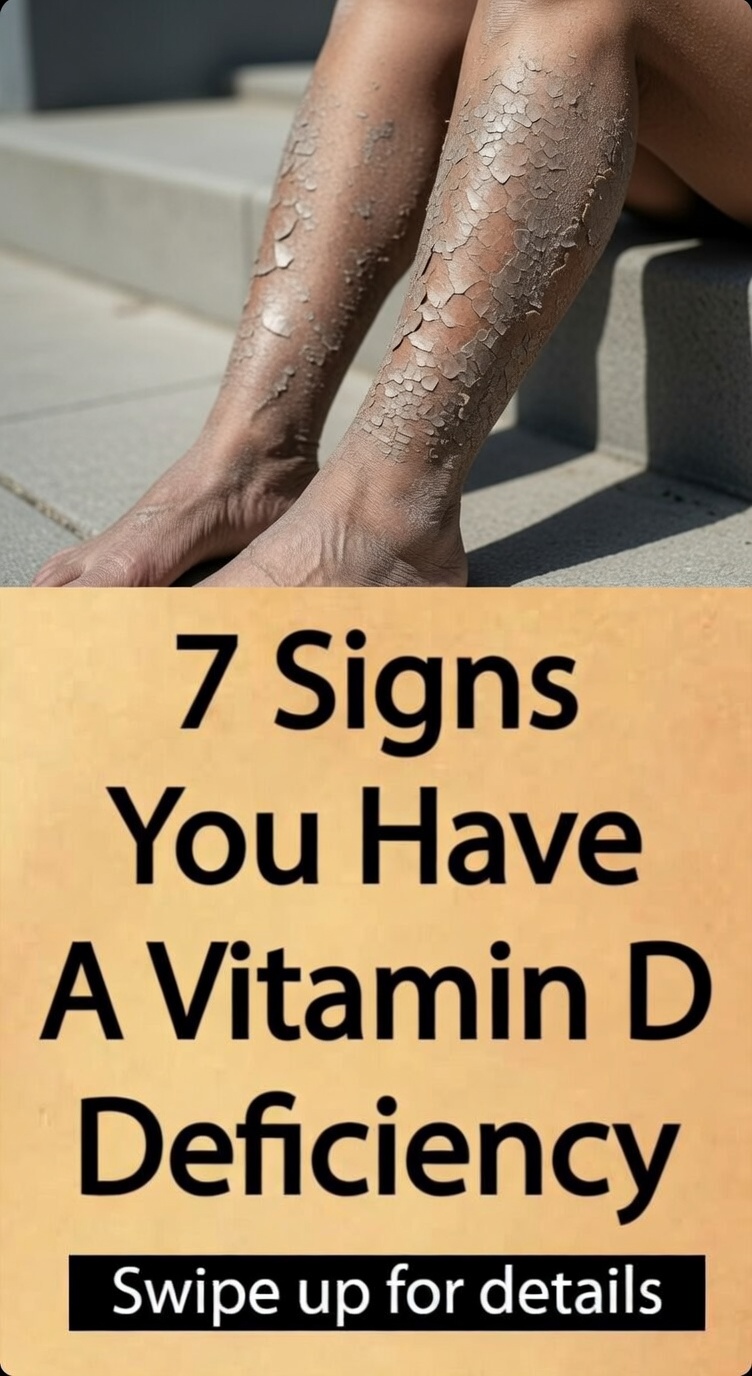
Below are seven common shadows cast by a vitamin D drought, described in plain terms so you can compare them to what you feel. Not every person will experience all of these, and these signs can also have other causes. Still, if several sound familiar, it may be worth asking your healthcare professional about checking your vitamin D level with a simple blood test and discussing safe ways to rebuild your reserves.
1. The Marrow-Ache: Bone and Back Discomfort That Lingers
When vitamin D is low, the body struggles to move calcium into the skeleton where it belongs. Instead of sturdy beams, bones can feel more like soft wood that flexes under weight. Many people describe a deep, dull ache in the hips, ribs, or lower back, different from the sharp twinges of a pulled muscle or the grinding of arthritis. It can feel like a bruise that never quite heals, most noticeable after long walks, standing, or climbing stairs.
As we grow older, our bones lose density naturally. Vitamin D helps slow that slide by improving calcium absorption and supporting the remodeling work that keeps bones strong. If you have vague, ongoing bone or back pain, or you have become shorter over the years due to tiny vertebral changes, it is worth bringing up vitamin D alongside the other usual suspects. Restoring adequate levels will not fix every ache, but it can take a surprising amount of strain off your frame.
2. The Spirit-Dusk: A Mood That Feels Heavier Than It Should
Shorter, darker days often tug on our mood. Vitamin D sits in that same circle, quietly supporting the brain systems that help maintain steadiness and ease. When levels drift down, many people notice a gray film over their thoughts. It might feel like getting less joy from hobbies, more sighs than smiles, or a stubborn fog that lifts only with effort.
While mood is shaped by many threads—sleep, stress, relationships, and medical conditions—vitamin D is one thread you can check. Aiming sunlight toward your morning routine, stepping outside for a brief walk, and discussing testing with your clinician are gentle first steps. If mood has been low for weeks, especially alongside poor sleep, loss of interest, or worry, seek help promptly; vitamin D may be one piece of a fuller plan to restore your light.
3. The Lethargy-Tide: Tired for No Clear Reason
There is tired at the end of a busy day, and then there is a kind of heavy fatigue that seems out of proportion to what you have done. Vitamin D supports the way muscles use energy and how your body keeps its daily rhythm. When it dips, mornings can feel like wading through syrup, even after a full night’s sleep. You might nap more, struggle to finish tasks, or find that errands you used to breeze through now demand constant breaks.
Fatigue is common and can come from anemia, thyroid changes, sleep apnea, medications, dehydration, and much more. But if routine checks are normal and you still feel inexplicably drained, low vitamin D deserves a place on the list of possibilities. Restoring it often pairs well with simple steps like drinking enough water, eating regular meals with protein, and taking brief stretch breaks during the day to wake up the body’s engines.
4. The Slow-Heal: Scrapes and Sores That Take Their Time
Skin is a remarkable repair team. After a nick from the garden shears or a scrape on the driveway, the body sets to work building a new barrier. Vitamin D helps coordinate parts of this process, including how immune cells respond and how the skin layers knit together. When vitamin D runs low, small cuts may linger, scabs may form and reform, and scars can seem slow to settle.
If you notice that simple wounds take weeks to look better, consider other common factors too, such as blood sugar control, circulation, and the medicines you take. Still, it is sensible to ask whether bringing vitamin D back into a healthy range could give your skin and immune system the nudge they need. Keeping the area clean, eating enough protein, and following your clinician’s wound care advice all work hand in hand with rebuilding your vitamin D stores.
5. The Shedding-Shadow: Thinning Hair and a Quieter Crown
Hair goes through cycles of growth and rest. Vitamin D plays a role in signaling those cycles. When levels are low, more follicles may drift into a waiting phase, and you might notice more strands on your brush or a general loss of volume, especially along the part or at the crown. This can be subtle at first, then more noticeable over months.
Hair thinning has many causes, including aging, stress, thyroid changes, iron deficiency, certain medications, and genetics. Vitamin D sits among these contributors, and restoring it can support the return to a healthier growth rhythm. It will not reverse every pattern of hair loss, but when combined with balanced nutrition and medical guidance, healthier levels can give the scalp a better chance to do its job.
6. The Fragile-Shield: Colds and Bugs That Keep Circling Back
Your immune system relies on a clear chain of command. Vitamin D helps teach immune cells when to respond strongly and when to stand down. If you seem to catch every cold that drifts through the household, bounce from one sniffle to the next, or take longer to shake off routine viral illnesses, a vitamin D drought may be weakening your shield.
Flu season, close contact with grandchildren, and time spent in groups all raise exposure, of course. Even so, bringing vitamin D into a healthy range may help your body respond more efficiently. Pairing this with steady sleep, handwashing, sensible nutrition, and your healthcare provider’s vaccination recommendations gives your defenses the best chance to hold firm.
7. The Muscle-Twitch: Cramps and Unsteady Strength
Muscles contract and relax through careful choreography involving calcium and other minerals. Vitamin D helps keep that choreography smooth. When it is low, you may notice nighttime leg cramps, twitching in small muscles, or a general sense of weakness when lifting groceries or getting up from a chair. Climbing stairs might feel less certain, or balance might seem a little off.
Hydration, magnesium, potassium, and some medications can also influence cramps. Even footwear, gait, and underlying nerve conditions play a part. With that said, adjusting vitamin D can calm the day-to-day misfires in muscle signaling, helping strength feel steadier. If weakness develops suddenly, or if you have falls, seek care promptly; those are urgent flags that deserve immediate attention.
Why Vitamin D Matters Even More With Age
As we move through our fifties, sixties, and beyond, the skin becomes less efficient at making vitamin D from sunlight. Many of us also spend more time indoors, protect our skin from sun damage, and take medications that affect how nutrients are absorbed or processed. Diet can help, but few foods naturally contain enough vitamin D to meet daily needs by themselves. All of this makes awareness especially important in this season of life.
The simple solution is twofold. First, allow regular, sensible daylight to touch your routine when weather and health permit. Second, ensure your diet or supplements fill the gap. Neither step requires perfection, just steady attention. With guidance from your clinician, you can choose a combination that fits your medical history, skin type, and where you live.
Solar Re-Entry: A Gentle Plan to Rebuild Your Reserves
Just a little midday sun, taken wisely, can help. Short sessions on exposed arms and lower legs, while avoiding burns, often provide a helpful nudge. Glass blocks the rays needed to make vitamin D, so indoor sunshine does not count for this purpose. In many northern regions, winter sunlight is too weak for skin to produce much vitamin D, which is why diet and supplements become more important during those months. If you are at risk for skin cancer or have been advised to avoid sun exposure, follow that advice; there are other safe ways to maintain vitamin D.
Food can be a steady ally. Fatty fish such as salmon, mackerel, sardines, and trout carry useful amounts of vitamin D. Some milks and plant milks are fortified, as are certain yogurts and breakfast foods. Egg yolks and mushrooms exposed to ultraviolet light add small boosts. These foods do more than deliver vitamin D; they also support muscle and bone with protein and other nutrients that matter as we age.
Because vitamin D is fat-soluble, pairing it with a meal that contains healthy fat can improve absorption. This is the simple idea behind using a fat anchor. If you take a vitamin D supplement, or if you choose traditional options like cod liver oil, have it with food that includes natural fats, such as olive oil on vegetables, avocado, nuts, seeds, whole eggs, or oily fish. This does not require large portions—just a regular meal with some fat present so the body can carry vitamin D from the gut into the bloodstream more efficiently. If you use cod liver oil, speak with your clinician to match the amount to your needs and to keep vitamin A intake within a safe range.
Supplements can be helpful, especially in winter or when blood tests show a clear deficiency. Many older adults use vitamin D3, the form often recommended for maintaining levels. The right amount varies; your clinician can guide you based on your health history and lab results. More is not always better. Extremely high intakes can raise calcium too much, which can be harmful. If you take steroids, seizure medications, certain weight-loss medicines, or have conditions affecting the kidneys, liver, or parathyroid glands, personalized advice is especially important before starting or changing a dose.
Supporting the Solar Anchor With Daily Habits
Vitamin D does some of its best work alongside simple routines that are kind to bones and muscles. Gentle, regular movement—like walking, tai chi, light resistance exercises, or gardening—signals your body to keep bones dense and muscles active. Paired with enough protein spread across the day, these habits encourage your frame to stay strong while vitamin D helps with the mineral work behind the scenes. Aiming for a calm evening routine and consistent sleep can also brighten mood and energy, complementing the steady lift that comes from healthy vitamin D levels.
It may help to keep a small journal. Note how you sleep, your daily steps or minutes outside, what you eat, and how your energy and mood feel. Over a few weeks, patterns emerge. You may see that a lunch enjoyed outdoors, a fish dinner, and a short walk make the next morning easier. These small clues guide your plan better than any single tip.
When to Ask for Help
Reach out to your healthcare professional if you have persistent bone or back pain, frequent falls, repeated infections, wounds that will not heal, or a low mood that hangs on. If you have osteoporosis, osteopenia, or conditions that affect the gut or kidneys, make vitamin D part of the conversation at your next visit. A straightforward blood test can show whether you are low, and together you can create a safe plan for sunlight, food, and supplements that fits you.
Please remember that vitamin D is one piece of a larger picture. It works best alongside balanced meals, movement you enjoy, time outdoors taken safely, and the medicines and screenings your clinician recommends. If a symptom is sudden, severe, or worrying, do not wait. Seek care promptly.
Bringing Back the Light
Think of this season as a gentle turn toward warmth and steadiness. The body is remarkably responsive when given what it needs. A little wise sun, the right foods, and, when appropriate, a well-chosen supplement can brighten many corners—bones that feel surer under your steps, muscles that answer more readily, a mind that feels lighter, and an immune system that stands taller. The images of a solar anchor and sun-marrow are poetic, but the result is practical: better days, more comfortable movement, and a rising sense that your internal fire is burning at just the right glow.
If several of the seven shadows sound familiar, let that be your nudge. Start with a simple conversation, a short walk in safe light, and a meal that gives your body the fat anchor it needs to carry vitamin D where it can do the most good. With steady attention, you can rejoin the rhythm of the light and feel your strength gently return.