
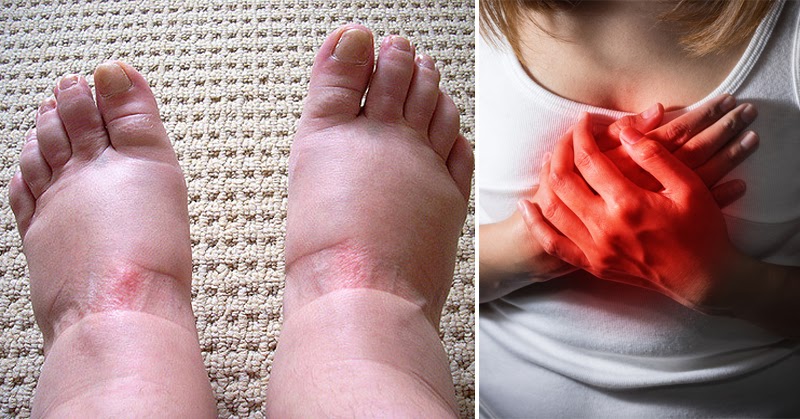
Swollen feet and ankles are common, especially as we get a little older. A long day on your feet, warm weather, salty meals, or sitting through a long car or plane ride can all cause puffiness that eases with rest and elevation. Still, swelling is your bodys way of saying something needs attention. Some causes are simple and temporary, while others are important warning signs that deserve quick medical care. Knowing the difference can help you act with confidence and protect your health.
Before we explore the top warning signs, it helps to know a couple of quick checks. Press a finger into the swollen area for a few seconds and let go. If it leaves a little dent that slowly fills back in, thats called pitting swelling and often means your body is holding on to extra fluid. If the skin feels tight, heavy, or spongy and does not leave a dent, thats called non-pitting and can point to lymph fluid buildup. Also notice whether one foot is swollen or both, whether the swelling came on suddenly or gradually, and if you have pain, redness, warmth, shortness of breath, or chest discomfort. These clues help tell a simple nuisance from a true red flag.
Deep vein thrombosis
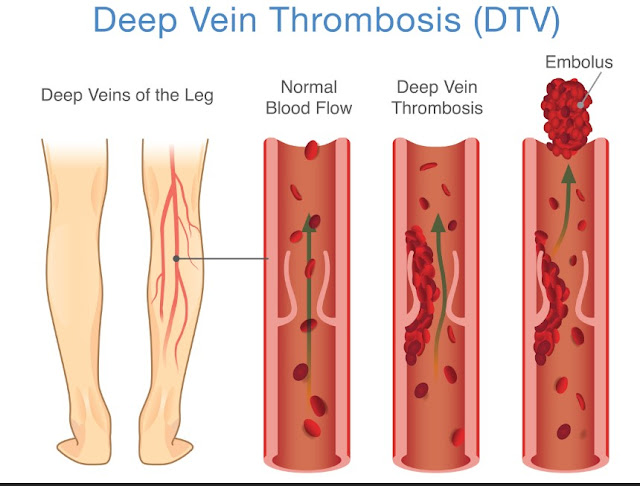
A deep vein thrombosis, often called a DVT, is a blood clot that forms in a deep vein, usually in the calf or thigh. This is one of the most serious causes of a swollen foot or leg and needs prompt medical care. The swelling often starts on one side only and may be accompanied by pain or cramping in the calf, warmth to the touch, and skin that looks reddish or slightly blue. The leg can feel tight, and walking may make the pain worse.
A DVT can become dangerous if a piece of the clot breaks free and travels to the lungs, causing a pulmonary embolism. That is a medical emergency. Warning signs of a pulmonary embolism include sudden shortness of breath, chest pain that may worsen when you take a deep breath, a fast heartbeat, coughing up blood, or feeling lightheaded. If any of these happen, call emergency services right away. Even if you do not have chest symptoms, one-sided swelling with calf pain or warmth is reason to seek urgent care the same day to be checked.
Your risk for DVT goes up after surgery, long travel with little movement, a long illness or hospital stay, cancer treatment, smoking, or using certain hormone therapies. Staying well hydrated, stretching your calves, and taking short walks during travel can lower risk, but these do not replace medical care if you suspect a clot.
Heart strain and heart failure
When the heart has trouble pumping effectively, fluid can back up and settle in the legs, ankles, and feet. This swelling usually affects both feet, often appears by days end, and can leave impressions from socks or shoes. You may notice rings feeling tight, a quick weight gain over a few days, or shortness of breath when you lie flat. Some people wake at night short of breath or feel unusually tired with simple activities.
If these signs sound familiar, call your healthcare provider soon. Heart-related swelling responds best when addressed early. Your clinician may adjust medicines, check your blood pressure, or recommend tests. Simple steps like elevating your feet, reducing salt, and keeping active also help, but they should go hand-in-hand with medical guidance.
Kidney problems and fluid buildup
Your kidneys help your body get rid of extra fluid and salt. When they are not working as well, fluid can build up in your legs and feet. You might also see puffiness around the eyes in the morning, notice foamy urine, or find youre urinating less than usual. Some medicines, such as certain pain relievers taken often, can put stress on the kidneys, especially if you already have kidney disease, diabetes, or high blood pressure.
If you have new swelling along with changes in urination or eye puffiness, its wise to contact your clinician. Blood and urine tests can quickly check kidney function. Gentle steps like drinking enough water, watching your salt intake, and reviewing your medicines with a professional can make a real difference.
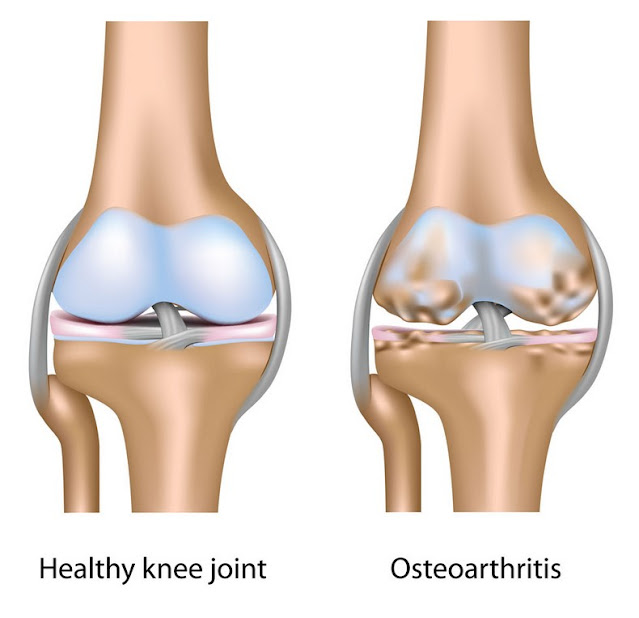
Liver disease and fluid around the belly
The liver helps balance fluid and proteins in your blood. When it struggles, fluid can leak into tissues, causing swollen feet and ankles. People may also notice a belly that feels full or tight from fluid, yellowing of the skin or eyes, easy bruising, or small spider-like veins on the skin. If alcohol, hepatitis, or fatty liver disease are part of your history, new swelling is an important sign to share with your doctor.
Lowering salt, avoiding alcohol, and following individualized medical advice are key. Your clinician can check liver function with simple blood tests and, if needed, imaging. Early attention helps protect your long-term health and comfort.
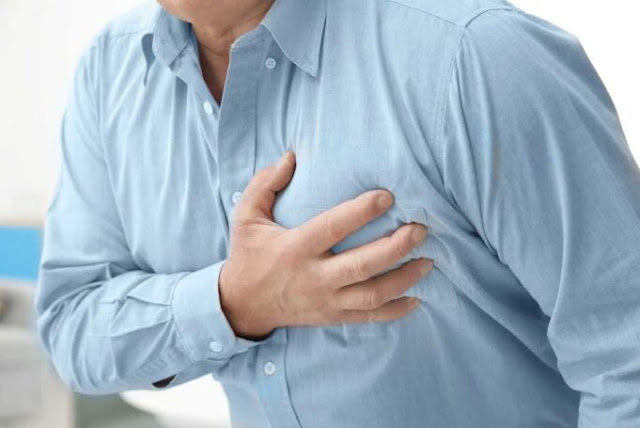
Infection of the skin or joints
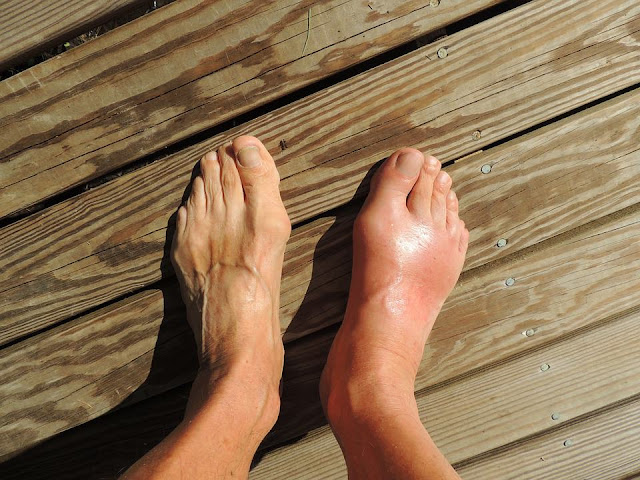
A red, hot, tender foot or ankle that swells quickly can signal an infection such as cellulitis. You may see red streaks, feel feverish, or notice the area throbs with pain. For anyone with diabetes or nerve problems in the feet, even a small blister or crack in the skin can let germs in and needs prompt attention. Infections inside a joint can also cause intense swelling, warmth, and pain with movement.
These infections rarely improve on their own and usually need prescription treatment. If your skin is red and hot, or you feel unwell along with the swelling, call your clinician the same day. Keeping skin moisturized, trimming nails carefully, and wearing well-fitting shoes can help prevent small injuries that lead to infection.
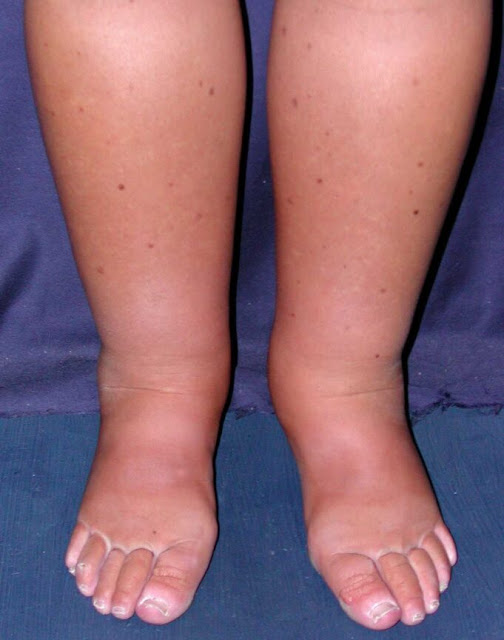
Lymphedema
Lymphedema is a buildup of lymph fluid that causes a heavy, tight swelling, often on the top of the foot and around the ankle. The skin may feel thick or firm rather than soft and denting. Shoes can feel tight, and the foot may look square across the toes. Lymphedema can happen after surgery or radiation in the groin or pelvis, after infections, or simply develop gradually over time.
While lymphedema is usually long lasting, it can be managed well. Special massage techniques, compression garments fitted by a professional, careful skin care, and regular movement all help. A lymphedema therapist can teach you safe techniques and help you choose comfortable supports that improve your daily comfort.
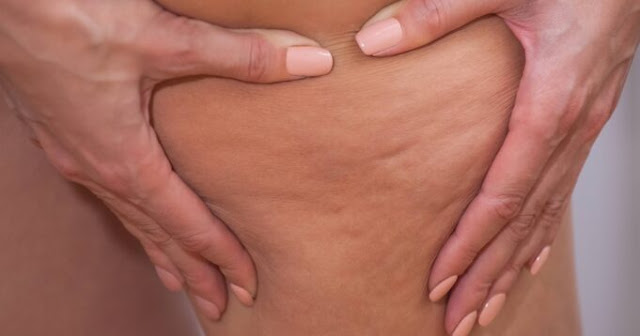
Chronic vein trouble and varicose veins
Veins have tiny valves that help push blood back toward the heart. Over time, those valves can weaken, allowing blood to pool in the lower legs. This is called chronic venous insufficiency. It can lead to aching, a feeling of heaviness, swelling around the ankles, and skin changes such as itching, dryness, or dark discoloration. Varicose veins may be visible and tender, and in advanced cases, slow-healing sores can appear near the ankles.
Daily habits make a big difference here. Moving your ankles and feet during the day, elevating your legs when you rest, and wearing well-fitted compression socks can reduce swelling and help the veins move blood upward. If skin changes or sores are present, let your clinician know. There are procedures and therapies that can improve comfort and protect the skin.
Sprain, strain, or fracture
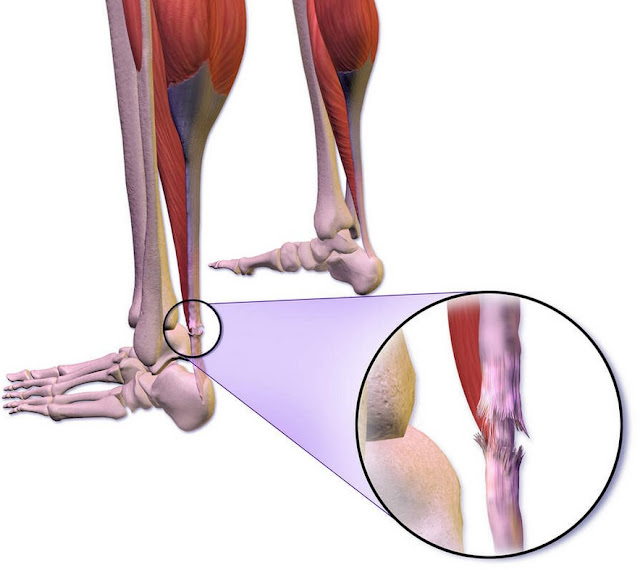
A misstep off a curb, a twist on the stairs, or even bumping your foot can cause sudden swelling. If swelling follows an injury and you also notice bruising, sharp pain, or difficulty putting weight on the foot, it may be more than a simple sprain. Older adults are more prone to fractures for many reasons, including changes in bone strength and balance.
Resting the foot, elevating it above your heart, and applying a cold pack wrapped in a cloth for short periods can help in the first day. If you cannot bear weight, the foot looks misshapen, or the pain is severe, get medical care to check for a break. Early support and proper healing help you get back on your feet safely.
Medicines and hormone changes
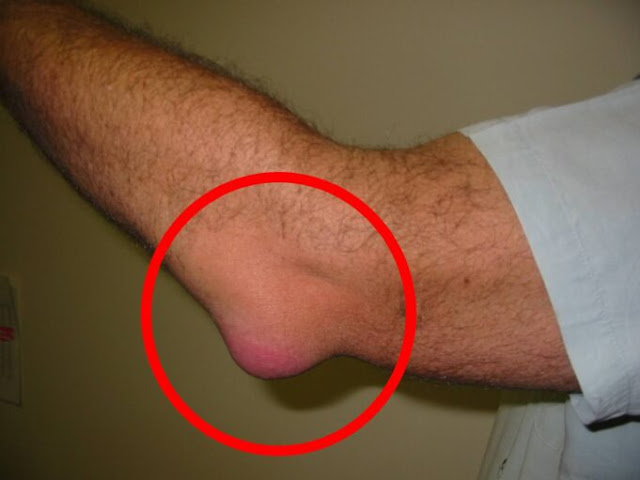
Several common medicines can cause swelling around the feet and ankles. Calcium channel blockers used for blood pressure, some diabetes medicines, steroids, anti-inflammatory pain relievers, certain antidepressants, and medicines for nerve pain can all contribute. Hormonal changes, including menopause therapy, can also play a role.
If your swelling started after a new prescription or a dose change, let your clinician know. Do not stop a medicine on your own, but do ask whether an adjustment, timing change, or a different option might help. Simple measures like elevating your feet, staying active, and wearing supportive shoes can offer comfort while you sort out the cause.
What you can do right now to feel better
Raise your feet so they are above the level of your heart for 20 to 30 minutes when you rest. A few pillows on the couch can make this easy. This simple step helps your body move excess fluid back toward the heart and lungs, where it can be handled and removed.
Move your ankles and toes regularly during the day. Point and flex your feet, make gentle circles with your ankles, and take brief standing or walking breaks. Even small movements keep circulation going and discourage fluid from pooling around your ankles.
Go easy on salt. Salt pulls water into the body, and a salty meal can show up the next morning as puffy feet. Taste your food before you reach for the salt shaker, and choose fresh foods more often than packaged ones, which are usually higher in sodium.
Consider compression socks if your clinician says they are safe for you. They provide a gentle, steady squeeze that helps push fluid out of the lower legs. Its best to get guidance on the right strength and fit. If there is any concern for a blood clot or poor circulation in the arteries, you should be evaluated before using compression.
When to seek urgent or emergency care
Call emergency services right away if swelling in one leg comes on suddenly with calf pain, if the leg is warm and tender, or if you have shortness of breath, chest pain, a fast heartbeat, or cough up blood. These can be signs of a blood clot that needs urgent treatment.
Seek same-day medical attention if your foot or ankle is red, hot, and painful, especially if you have a fever or diabetes. Rapid swelling with severe pain after an injury also deserves prompt care to check for a fracture. New swelling along with sudden weight gain, trouble breathing when you lie flat, or waking up short of breath should be discussed with your clinician quickly.
How your clinician may check swollen feet
Evaluation often starts with a conversation about when the swelling began, whether it affects one or both feet, and what else you feel, such as pain, redness, or shortness of breath. A careful exam can look for pitting, temperature changes, skin color, visible veins, and any tender spots. Depending on your symptoms, simple tests may follow.
For a suspected clot, an ultrasound of the leg veins is quick and painless. Blood and urine tests can check your kidneys and liver. A chest X-ray, heart tracing, or ultrasound of the heart may be used if heart strain is suspected. Your clinician will also review medicines and may suggest changes if one is contributing to the swelling.
Daily habits that protect your feet and ankles
Give your feet a quick check each evening. Look for blisters, small cuts, or red areas, and note whether swelling is more on one side than the other. If you live with diabetes, this daily check is especially important because nerve changes can make it harder to feel small injuries.
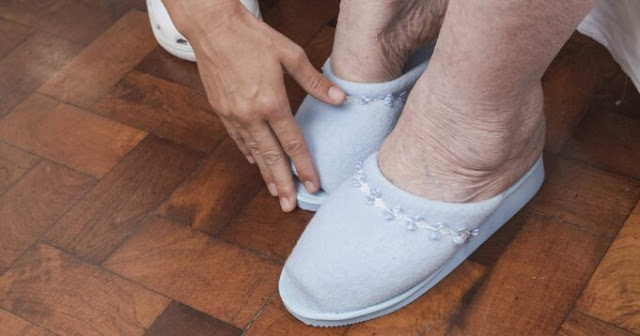
Wear supportive, well-fitted shoes with a roomy toe box. When shoes or socks leave deep marks, consider styles with a softer cuff or a slightly wider fit. If you use compression socks, put them on in the morning before swelling begins for the best effect.
Stay active in ways that feel good to your body. Gentle walking, water exercise, or a simple home routine can keep your calf muscles working as a natural pump. If you sit for long periods, set a reminder to stand, stretch, and take a few steps every hour.
Keep a small record of your weight and swelling patterns. A quick morning weigh-in can help you and your clinician spot fluid changes early. If you notice a sudden gain of two to three pounds over a couple of days along with swelling, let your healthcare provider know.
Bottom line
Most of the time, swollen feet are the bodys response to standing, heat, or salt, and they improve with rest, elevation, and simple home care. Still, certain patterns are warning signs you should not ignore. One-sided swelling with pain or warmth can point to a blood clot. Swelling in both feet with shortness of breath or quick weight gain can signal heart strain. Changes in urination, yellowing of the skin, hot redness, fever, or a painful injury are also important clues. Trust what your body is telling you and reach out to your clinician when something feels off. With a bit of attention and timely care, most causes of swollen feet can be managed well so you can keep moving comfortably and confidently.



