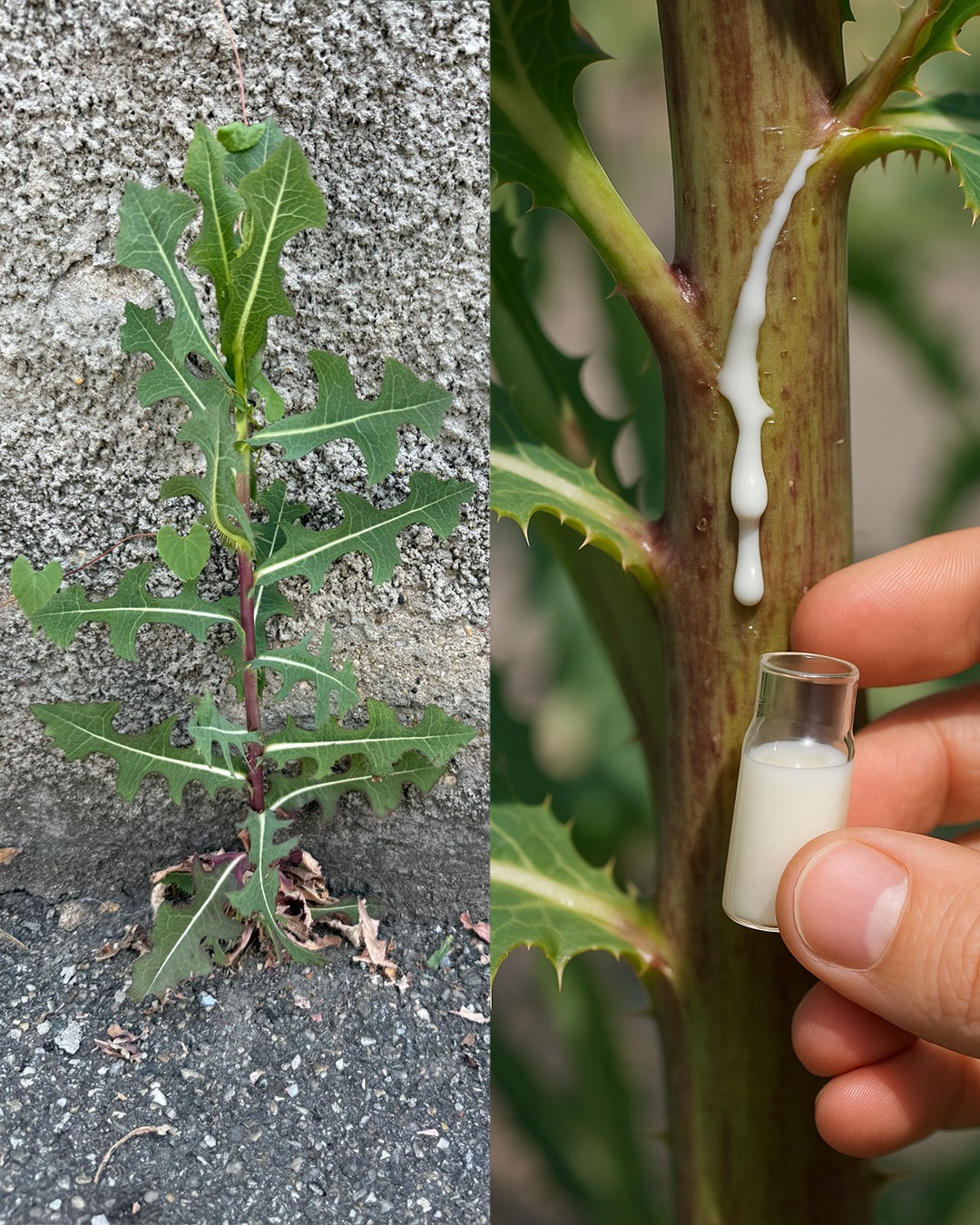
If you’ve ever pruned a fig tree or snapped off a low-hanging leaf, you’ve likely seen it: a thick, milky white liquid that slowly oozes from the stem. Most people have no idea what this is, and many consider it a nuisance because it can be sticky. However, in traditional herbalism, this “fig sap” (also known as latex) is considered a priceless, potent remedy that most people walk past without a second glance.
The Secret in the Sap
Fig sap is essentially the tree’s internal immune system. It contains a complex mixture of enzymes, the most famous being ficin.
Ficin is a highly active proteolytic enzyme, which means its primary job in nature—and in your body—is to break down proteins. Throughout history, this unique ability has been utilized for a variety of traditional treatments.
The Traditional Uses
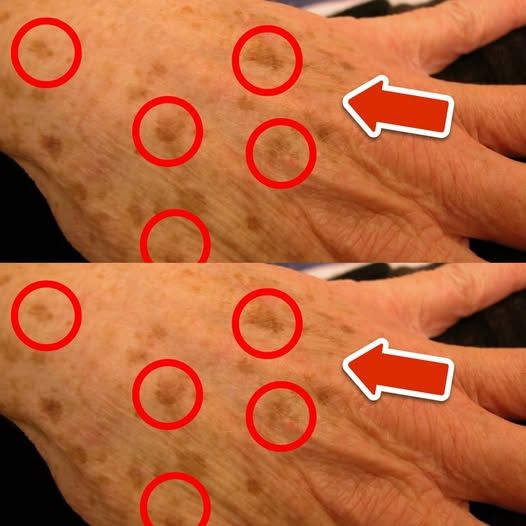
1. The Natural Wart and Skin Tag Remover
This is perhaps the most famous use of fig sap. Because ficin is such a powerful protein-dissolver, it has been used for centuries as a natural topical agent for stubborn skin growths.
- The Folklore: Traditional practitioners would dab a tiny, precise amount of the fresh, milky sap directly onto a wart or skin tag. As the sap dries, the enzymes work to “digest” the excess protein tissue of the growth. Over several days of application, the growth would gradually soften and fall off.
2. A Traditional Digestive Aid
In some cultures, a single drop of this sap was added to milk to act as a natural rennet, helping to curdle and turn the milk into cheese. Because the enzymes are so effective at breaking down fats and proteins, traditional healers also considered it a heavy-duty digestive support for people who struggled to break down high-protein meals.
3. Foot and Corn Softener
Much like the wart-removal process, the sap’s ability to break down toughened tissue was used to soften hardened calluses or painful corns on the feet, making the rock-hard skin soft enough to be filed away easily.
A Warning: Why You Must Be Careful
While this “white gold” is powerful, it is also a potent irritant.
- Photosensitivity: Fig sap contains compounds called furocoumarins. When these sit on your skin and are exposed to sunlight, they can cause a severe reaction known as phytophotodermatitis. This results in blistering, painful chemical burns, and long-lasting dark hyperpigmentation. Never expose an area treated with fig sap to direct sunlight.
- Irritation: The sap is highly caustic. If it gets in your eyes, it can cause significant damage. If it touches healthy skin, it can cause itching and burning.
How to Handle It
If you want to explore the traditional uses of fig sap:
- Precision: Always use a toothpick or a cotton swab to apply the tiniest drop possible directly to a wart or callus. Never smear it on healthy skin.
- Cover: Always cover the treated area with a bandage to ensure the sap doesn’t spread or wipe off onto clothes, and to keep it away from the sun.
- Wash: After handling a fig tree, always wash your hands thoroughly with soap.
Nature is incredible, but it is also powerful. Treat this “weed” sap with the respect you would show any potent medicine, and always consult a doctor before using it to treat skin growths!