
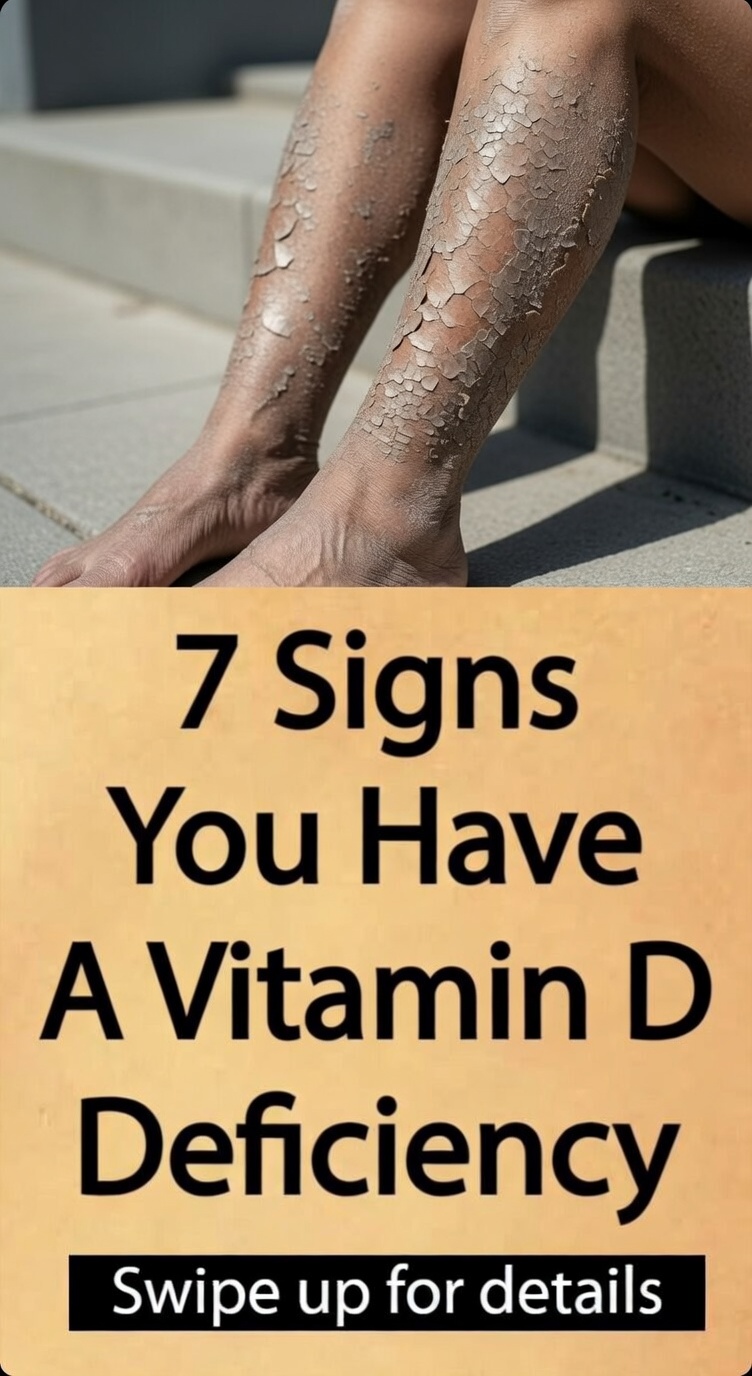
As we move through the seasons of life, certain rhythms matter more than we realize. One of the quietest yet most important is our relationship with sunlight and the nutrient it helps us make: Vitamin D. Think of it as a steady anchor from the sun, a gentle pull that keeps bones sturdy, muscles responsive, energy steady, mood lifted, and the immune system attentive. It behaves a bit like a hormone as well as a vitamin, guiding how calcium is used, how cells talk to each other, and how our bodies bounce back after the wear and tear of everyday living.
Many people in their forties, fifties, and sixties find that modern life slowly tugs them away from this solar anchor. We spend more time indoors, protect our skin wisely, live at latitudes where winter light is scarce, and sometimes eat diets that don’t naturally provide much Vitamin D. Little by little, a quiet drought can set in. You may not notice it all at once, but the body often leaves small clues. Recognizing these clues can help you feel more grounded, steadier on your feet, and more like yourself again.
Below are seven common signs that your body may be running low on Vitamin D, explained in friendly, everyday terms. As you read, remember that each body is different. These signs can appear for many reasons, so use them as gentle guideposts. If several sound familiar, it’s worth a conversation with your healthcare provider and, if appropriate, a simple blood test. With the right steps—sunlight when it’s safe, smart food choices, and guidance when needed—most people can refill their tank and feel their spark return.
1. The Deep Bone and Back Ache That Feels Like a Foundation Problem
When Vitamin D is low, the body struggles to move calcium into your bones. Over time, this can make the structure of your skeleton feel less supported, much like a house settling on soft soil. People often describe a deep, dull ache in their bones or a stubborn, nagging pain in the lower back. It’s not the sharp twinge you might get from a pulled muscle; it’s more of a weary throb that lingers and can make standing, walking, or getting up from a chair feel harder than it used to.
For many older adults, back pain has several possible causes, including arthritis, posture, or long days of activity. But when Vitamin D is part of the picture, the discomfort often feels deep in the bones themselves. If you’ve noticed that ordinary tasks leave your back feeling sore in a lingering way, or if your bones feel unusually tender, this could be a sign that your body’s mineral gatekeeper—Vitamin D—isn’t doing its usual job.
Gentle movement, stretching, and maintaining good posture can help, but lasting improvement often comes from rebuilding the nutrient foundation. That usually means checking in with your clinician, considering a Vitamin D blood test, and making a plan that might include safe sun exposure, diet changes, or a supplement if advised.
2. The Low, Gray Mood That Hangs On Longer Than It Should
Our brains appreciate sunlight. Vitamin D plays a supportive role in the systems that help us feel steady, calm, and even-keeled, including those that influence serotonin and our daily sleep-wake rhythm. When levels drop, many people describe a mental fog or a persistent low mood that feels heavier in the darker months. It can seem like someone turned down the dimmer switch on the day, even when nothing obvious has changed.
If you’ve noticed that your motivation is thinner, your patience is shorter, or joy feels just out of reach, consider whether you’ve had limited sunlight or changes in your routine. A Vitamin D drought is not the only cause of low mood, but it is a common and treatable piece of the puzzle. Morning light, consistent sleep, gentle movement, meaningful social connection, and nourishing meals can lift the fog. Pairing those habits with better Vitamin D status may help restore the brighter notes in your day.
3. The Heavy-Limbed Fatigue That Doesn’t Match Your Activity
Feeling worn out can have dozens of explanations. Still, there’s a particular kind of tired that often shows up with low Vitamin D. It feels like your legs and arms have quietly filled with sand. Even after what should be a good night’s sleep, you wake up unrefreshed and spend the day pushing through molasses. Vitamin D supports the small power plants inside your cells, so when it’s low, your cellular “engines” may not hum the way they used to.
If your energy has slipped and simple tasks now feel oversized, it’s worth paying attention. Gentle walks, fresh air, a regular bedtime, and balanced meals can help. But when those steps aren’t enough, consider asking your healthcare provider to check your Vitamin D. Bringing your levels into a healthy range can allow your internal engines to turn over more confidently again.
4. The Cut or Nick That Hangs Around Longer Than Expected
Our skin is remarkable at repairing itself. Vitamin D helps guide that repair by supporting the processes that close small wounds and calm inflammation. When your Vitamin D is low, you might notice that a scratch, nick, or minor skin irritation seems to take its time getting better. It doesn’t necessarily look dramatic—it just lingers, as if your body misplaced its repair toolkit.
Slow healing can also be related to blood sugar, circulation, age, or medications, so consider the whole picture. Keep small wounds clean, protect them from friction, and make sure your meals include enough protein along with colorful fruits and vegetables that provide Vitamin C and other helpful nutrients. If you notice that you consistently heal more slowly than before, it’s reasonable to check in with your clinician and consider a Vitamin D assessment as part of the workup.
5. The Extra Shedding and Thinning at the Crown
Hair naturally cycles through phases of growth and rest. Life events, stress, thyroid shifts, iron status, and age can all affect that cycle. Vitamin D is another quiet influence; when it is low, hair follicles may spend more time in a resting phase and shed more than usual. You may notice extra hair in the brush or a thinner feel at the crown over several months.
Improving Vitamin D status can be one part of a broader plan for hair health. Be gentle with your scalp, choose mild shampoos, and avoid harsh chemical treatments if possible. Nourishing meals with adequate protein, iron from food sources, and healthy fats support healthy hair, too. If shedding persists, talk with your healthcare provider about checking Vitamin D along with other common contributors so you can address what’s truly driving the change.
6. The Too-Familiar Cycle of Colds and Bugs
A well-tuned immune system is like a patient, well-trained guard. Vitamin D helps with that training, encouraging balanced responses to everyday germs. When your levels are low, you may notice that you catch whatever is going around—and that recovery takes a little longer than it used to. One cold follows another, and by the time you feel better, a new sniffle arrives.
Handwashing, good sleep, staying active, and eating a steady, colorful diet are the bedrocks of immune health. Vitamin D sits alongside them as a supportive teammate. If you find yourself falling sick more often than seems fair, a discussion with your clinician about Vitamin D—and the other basics—can help you build a more resilient shield for the seasons ahead.
On a practical note, older adults often benefit from routines that keep the immune system steady: a consistent bedtime, morning light to anchor the day, mild daily movement, and time outdoors when the weather allows. These simple anchors support your Vitamin D status and your immune rhythm together.
7. The Nighttime Calf Cramps and Wobbly Muscle Strength
Muscles and nerves speak a quiet electrical language. Vitamin D helps keep that conversation smooth by supporting how calcium moves into muscle fibers and how signals travel along nerves. When levels are low, you may experience frequent cramps, especially at night, or a sense that your legs tire quickly on stairs or during a longer walk. Getting up from a low chair may feel less confident than it once did.
Calcium, magnesium, hydration, and general fitness all matter here, so think of Vitamin D as one helpful piece in a larger puzzle. Gentle strength training with bodyweight or light dumbbells, balance practice, and short, regular walks can rebuild confidence. If cramps and weakness are frequent companions, ask your healthcare provider about checking Vitamin D along with the usual muscle and nerve health markers.
Re-Entering the Sunlight: A Friendly Plan to Refill Your Tank
Once you recognize these signs, the next step is to help your body find its way back to balance. The good news is that Vitamin D is refreshingly straightforward to support with a plan that meets you where you are. Think of it as a steady return to the rhythm of light, good food, and practical habits.
Vitamin D is fat-soluble, which simply means it likes to travel with healthy fats. When you eat it in food or take it as a supplement, pairing it with a meal that includes fat helps your body absorb it better. This is why a drizzle of olive oil on vegetables, a slice of avocado, a serving of salmon, a handful of nuts, or a spoonful of yogurt can make such a difference when you are trying to refill your Vitamin D stores.
Food sources can add up over the week. Fatty fish like salmon, sardines, and mackerel naturally provide Vitamin D. Some dairy, plant milks, and breakfast staples are fortified to help you meet your needs. Eggs contain small amounts, mainly in the yolk. Cod liver oil is a traditional option that offers Vitamin D along with omega-3 fats, though it also contains Vitamin A, so if you are considering it, use it carefully and discuss it with your clinician, especially if you already take a multivitamin.
Sunlight remains a classic way to support Vitamin D. Short, sensible periods outdoors can help, especially in spring and summer. The right amount depends on your skin tone, the time of day, the season, and where you live. You want enough light exposure to gently activate Vitamin D production without letting your skin burn. For many, that means a few sessions a week with forearms or lower legs exposed for a modest time, then using sun protection as needed. If you have a history of skin cancer or sensitive skin, follow your dermatologist’s guidance first and foremost.
In autumn and winter, or for those who live farther from the equator, sunlight may not be a reliable source. That’s when diet, fortified foods, and—if your clinician advises—supplements can be especially helpful. A simple blood test can show where you stand and guide the right approach for your body. If a supplement is appropriate, taking it with a meal that contains some fat allows your body to make the most of it.
Several personal factors influence Vitamin D levels. As we age, our skin becomes less efficient at making Vitamin D from sunlight. People with more deeply pigmented skin may need more sun exposure to produce the same amount. Body weight, digestive health, and certain medications can also change how much Vitamin D you need or how well you absorb it. These are all good reasons to get individual advice, rather than guessing.
Practical Day-to-Day Tips That Fit Real Life
Start simply. Open the curtains when you wake up and let morning light set your daily rhythm. If you enjoy a short walk, aim for a few minutes outdoors when the weather allows. Build your meals around stable, satisfying foods that naturally bring along healthy fats—like olive oil, nuts, seeds, eggs, and fish—so that if you include Vitamin D sources or take a supplement, your body can use them well.
Keep an eye on the seven signs described above. You might keep a small notebook for a few weeks, noting your mood, energy, sleep, muscle comfort, and any lingering aches. Patterns become easier to spot when you jot them down. If you find that several of the signs fit your experience, that is a friendly nudge to talk with your healthcare provider about checking your level.
If you and your clinician decide on a supplement, consistency matters. Pick a routine that is easy to remember, such as taking it with your main meal of the day. If you already take other medications or vitamins, ask whether there are any timing or interaction considerations. If you have kidney, liver, or parathyroid conditions—or if you take certain prescription medications—professional guidance is especially important so your plan is safe and tailored to you.
Along the way, remember that Vitamin D is a teammate, not a solo act. Sleep that leaves you refreshed, movement that your joints enjoy, steady meals, connection with people you care about, and time spent in the natural world all work together. When Vitamin D joins that team, results are often steadier and longer lasting.
Bringing It All Together
A Vitamin D drought can feel like a long, gray winter in the body: bones complain, mood drifts low, energy thins, scratches linger, hair sheds more than it should, colds make too many visits, and muscles lose a bit of their sure-footedness. The encouraging news is that these shadows often lift with simple, steady steps. A little sunlight when it’s safe, a plate that welcomes healthy fats and Vitamin D-rich foods, and a friendly check-in with your clinician can set you back on course.
Think of Vitamin D as your solar anchor—an easy, everyday ally that helps your body stay sturdy, bright, and responsive. Whether you begin with a morning walk, a bowl of yogurt with seeds, a serving of salmon at dinner, or a plan to ask about a blood test, each small choice adds up. Over weeks, a sense of lightness tends to return. Bones feel more supported, muscles answer when called, and the day’s ordinary joys come back into clearer focus.
If you recognize yourself in several of the signs we covered, you are not alone, and you have options. Begin gently. Choose one or two changes that feel comfortable and make them part of your rhythm. If you need extra guidance, ask for it. With patience and the right supports, you can refill your Vitamin D stores and move forward feeling more grounded, more energetic, and more you.



