
What is happening and why it matters now
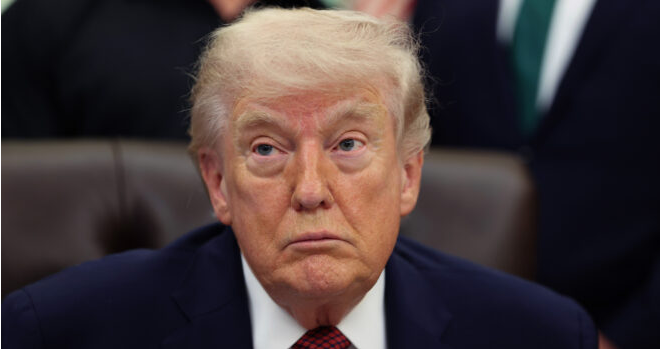
Donald Trump has stepped back into the global spotlight with forceful, carefully chosen words about a fast-moving situation in the Strait of Hormuz. His May 26 remarks came as tensions with Iran rose again and nervousness spread through energy markets. The message was blunt: keep the waterway open and do not try to control it unilaterally. He also made it clear the United States is watching closely, and he did not rule out the use of military power if necessary.
For many people, especially those who remember earlier oil shocks and conflicts in the Middle East, this may feel familiar. The difference today is how interconnected the world has become. What happens in a narrow stretch of water thousands of miles away can change what we pay at the pump, affect retirement accounts, and rattle the global economy in a matter of days. Understanding the basics can help make sense of the headlines without the stress and confusion.

The Strait of Hormuz is a tight maritime passage squeezed between Iran on one side and Oman and the United Arab Emirates on the other. It is the main exit route for oil shipped from the Persian Gulf, making it one of the most important energy bottlenecks in the world. Energy experts estimate that roughly one-quarter of the world’s seaborne oil moves through this corridor. That means even a small disruption can ripple through shipping schedules, raise fuel prices, and shake investor confidence.
Because there are few practical alternatives to this route, any slowdown or restriction has an outsized effect. Think of it like a major highway where several lanes merge into one narrow bridge. If traffic is steady and well managed, cars move along. But if a gate drops or rules change suddenly, a backup forms quickly and drivers everywhere feel the delay. That is essentially what global shippers, refiners, airlines, and consumers worry about when the Strait of Hormuz is in the news.
How this latest standoff took shape
Tensions mounted toward the end of February when Iran, according to multiple reports, began restricting access through the strait. That immediately caught the attention of governments and markets around the world. Since then, diplomatic efforts—led in part by the United States—have tried to calm the situation and restore the steady flow of maritime traffic. Despite several rounds of talks, a clear breakthrough has not materialized.
Complicating matters are indications that Iran is considering tighter control over the waterway. Reports have suggested that ships might be required to obtain authorization before they can pass. There has also been speculation about whether transit fees could be introduced. While that remains disputed, even the discussion of such steps has raised concerns among shipping companies and insurers who must factor risk and cost into every voyage.
At the same time, there have been hints that Iran and Oman could coordinate more closely on oversight. That possibility adds another layer of uncertainty for ship operators who prize clear, consistent rules. Any move that changes who manages what, or how, tends to create hesitation—and in shipping, hesitation can be expensive.
What Trump said and why it drew attention
On May 26, Trump addressed these developments head-on. He rejected the idea that any one country should be able to control such a vital, international passage. He emphasized that the Strait of Hormuz must remain open to all and that trade should not be used as a bargaining chip. He also stated that the United States would keep close watch on the situation to make sure freedom of navigation is maintained as diplomacy continues.
One part of his statement drew particular attention. He issued a stern warning that touched not only on Iran but also on Oman, signaling that all parties in the region must respect international norms and legal standards. Importantly, he did not rule out the use of force, a phrase that tends to move markets and shape headlines. While some observers initially wondered if his words were off-the-cuff, the State Department’s decision to publicly distribute his remarks suggested the message was deliberate and meant to be heard by every government involved.
For supporters, his firmness is a reminder that the United States still intends to protect key trade routes and deter threats to the global flow of goods. For critics, it raises fears of miscalculation in a sensitive region where even a minor incident can escalate. Regardless of perspective, the remarks underscored how crucial—and fragile—this stretch of water remains.
Iran’s moves and their meaning
Iran has meanwhile taken concrete steps at home. Officials announced the creation of a new body to oversee activities in the strait. They have insisted that ships should not transit without authorization, reinforcing a position that emphasizes control and security. While earlier rumors pointed to possible tolls, Iranian representatives have said there are no formal plans to impose fees at this time. They do, however, stress that maintaining security is costly and complex, which leaves the door open to future debates about how those costs are covered.
For shipowners and energy traders, what matters most is predictability. Clear rules, communicated in advance and applied consistently, help keep schedules on track and prices stable. Uncertainty—about who grants permission, what paperwork is needed, or whether a fee might suddenly be charged—can slow traffic and drive up insurance and freight costs. When that happens, prices downstream often follow.
Why this matters to everyday Americans, especially older adults
For many people between 45 and 65, world events are not just headlines—they can affect daily budgets and long-term plans. When the Strait of Hormuz is at risk, the first impact most households notice is fuel. Even talk of disruption can push gasoline and diesel prices higher. That can raise the cost of commuting, travel, and home deliveries, and it can also affect the price of goods transported by truck, rail, or ship.
There is also a connection to retirement savings. Energy markets are deeply woven into the broader stock market. If shipping slows or insurance costs spike, oil prices can swing, and energy company shares often react quickly. Those movements can ripple into index funds and retirement portfolios, even for people who never bought an energy stock directly. While markets have weathered similar storms before, sharp headlines can still cause short-term dips and spikes that feel unsettling.
Medical supplies and consumer products can also be affected. Many pharmaceuticals and everyday goods depend on global supply chains. Disruptions in shipping lanes, or higher fuel costs, may add time and expense to those routes. That does not mean shortages are guaranteed, but it is one reason why policymakers try hard to keep major trade arteries open.
A plain-English look at international rules
People often hear phrases like freedom of navigation and international norms. In simple terms, these ideas reflect how most countries agree to share and manage the world’s seas. One key principle is that ships should be able to pass through important straits that connect parts of the ocean, provided they do so peacefully and follow safety rules. While there are legal debates and complex treaties behind these principles, the day-to-day reality is straightforward: if everyone follows common-sense guidelines, trade flows and tensions stay lower.
The Strait of Hormuz sits at the crossroads of national waters and international expectations. Iran, Oman, and the United Arab Emirates all have interests there, but the global community also depends on the waterway. When rules around passage become uncertain or are seen as restrictive, pressure builds quickly—diplomatically and economically. That is why U.S. statements, like those from Trump, emphasize keeping routes open without new barriers.
What could happen next
Several paths are possible from here. The most hopeful outcome is a negotiated easing of tensions. That would likely involve clear communication to shipowners about how to transit safely, perhaps with monitoring or verification steps that reassure all sides. When shipping rules are straightforward and consistent, markets tend to calm down and energy prices stabilize.
A second path is a period of cautious posturing. In this scenario, Western navies maintain visible patrols, Iran keeps a firm stance, and Oman continues to work both with neighbors and international partners. Ships would keep sailing, but with more checks, closer escorts, and higher insurance costs. Prices might stay elevated but not spiral out of control.
Another possibility is a limited incident—a seized vessel, a standoff at sea, or a misunderstanding that leads to a brief halt in traffic. These moments can inflame tempers and trigger swift responses. The best-case response to a flare-up is quick de-escalation and a return to consistent rules; the worst case is a cycle of retaliation. That is why diplomacy runs in parallel with military preparedness in a region like this.
Finally, there is the low-probability but high-consequence risk of a broader confrontation. No major power wants that, given the economic fallout and human costs, but history reminds us that accidents and misjudgments can snowball. The repeated calls from multiple capitals for restraint and dialogue reflect a shared interest in avoiding that outcome.
Signals to watch without getting overwhelmed
There are a few practical signs that can help readers make sense of the noise. First, watch energy prices over weeks, not hours. Day-to-day swings can be dramatic after a headline, but the broader trend tells you whether supply and shipping are truly disrupted. If prices rise steadily and stay high, that suggests a deeper problem. If they bounce but settle, it often means ships are moving and rules are clearer than the headlines suggest.
Second, consider what shipping insurers and large freight companies are saying. When risk rises, insurance premiums go up and ship routes change. Public statements about rerouting around more expensive paths, or delays in departures, can be early clues. Industry updates are often dry and technical, but they are a reliable guide to real-world conditions.
Third, watch for visible naval patrols and convoy announcements. The presence of international escorts does not mean war is imminent; it often means the opposite—that authorities are trying to keep trade flowing safely. In the past, escorted transits have helped maintain confidence without escalating tensions.
Fourth, keep an eye on diplomatic activity. Frequent visits by envoys, joint statements from regional players, and quiet shuttle diplomacy tend to accompany serious attempts to settle rules and avoid missteps. When the language in those statements moves from blame to solutions, that is usually a good sign.
Lastly, pay attention to OPEC and major oil producers’ comments. If they signal the ability to adjust production or manage inventories to smooth out bumps, markets tend to calm. If they suggest constraints, price pressures can last longer. Clear communication from producers and shippers can be as important as military patrols in stabilizing expectations.
Where Oman fits into the picture
Trump’s pointed reference to Oman surprised some observers, but it reflects the country’s geography and role. Oman sits on the southern side of the strait and has long served as a quiet go-between in regional disputes. Any talk of joint oversight with Iran, even if meant to improve coordination, can be read in different ways by outside powers. Washington wants to ensure that coordination does not become restriction, and that all ships—no matter their flag—receive fair, predictable treatment when passing through.
For Oman, the challenge is balancing regional relationships with global expectations. It has a reputation for careful diplomacy. How it navigates conversations with Iran and international partners will matter for the tone and pace of shipping in the weeks ahead.
Putting today’s tension in historical context
This is not the first time the Strait of Hormuz has been a flashpoint. Over the decades, incidents involving tankers, threats to block passage, and naval escorts have come and gone. Each episode raised anxieties and sometimes prices, but most ended with the same conclusion: the world needs this waterway to stay open, and key players usually find a way—through a mix of diplomacy, patrols, and practical arrangements—to keep oil and goods moving.
That history does not guarantee calm today, but it offers perspective. Markets can overshoot on fear and then settle as facts replace speculation. Policymakers, shippers, and insurers now have years of experience handling similar crises. They have playbooks to reduce risk, restore clarity, and keep trade flowing even when politics run hot.
The bottom line for readers
Trump’s May 26 remarks were a clear attempt to send a firm message: the Strait of Hormuz is too important to be controlled by any one country, and the United States is prepared to protect freedom of navigation. Iran, for its part, has moved to formalize oversight and insists on authorization for ships passing through, a stance that raises questions about how rules will be applied in practice. Oman is navigating a delicate role as a neighbor and a potential coordinator. Diplomacy is active, but a neat solution has not yet emerged.
For households and retirees, the most visible effects are likely to be at the gas station and in market headlines. Short-term volatility is normal in moments like this. The more important signals are whether ships and insurance are flowing normally, whether producers are calming markets with clear plans, and whether diplomats are turning sharp words into practical steps. If those pieces fall into place, the world can breathe easier.
In the meantime, staying informed without getting overwhelmed is the best approach. Focus on steady trends over sensational sound bites. Watch for signs of cooperation, not just confrontation. And remember: while the language from leaders can be forceful, the shared global interest in keeping this vital waterway open has, time and again, brought tense episodes back from the brink.
As the next few weeks unfold, the question is not just who says what, but what actually happens on the water. If ships keep moving with clear guidance, tensions may ease. If new hurdles appear or messages harden, markets could turn choppy again. Policymakers know what is at stake, and the world will be watching closely.
For now, the most practical takeaway is simple. The Strait of Hormuz remains a narrow bridge for a large share of the world’s energy. Calm, clarity, and consistent rules are the best medicine. Achieving that will require careful diplomacy, steady patrols, and a willingness from all sides—including Iran and Oman—to keep global trade running smoothly. Trump’s warning, strong as it was, is part of a broader push to ensure that outcome. What matters most is the progress made behind the scenes to keep ships sailing and economies steady.



