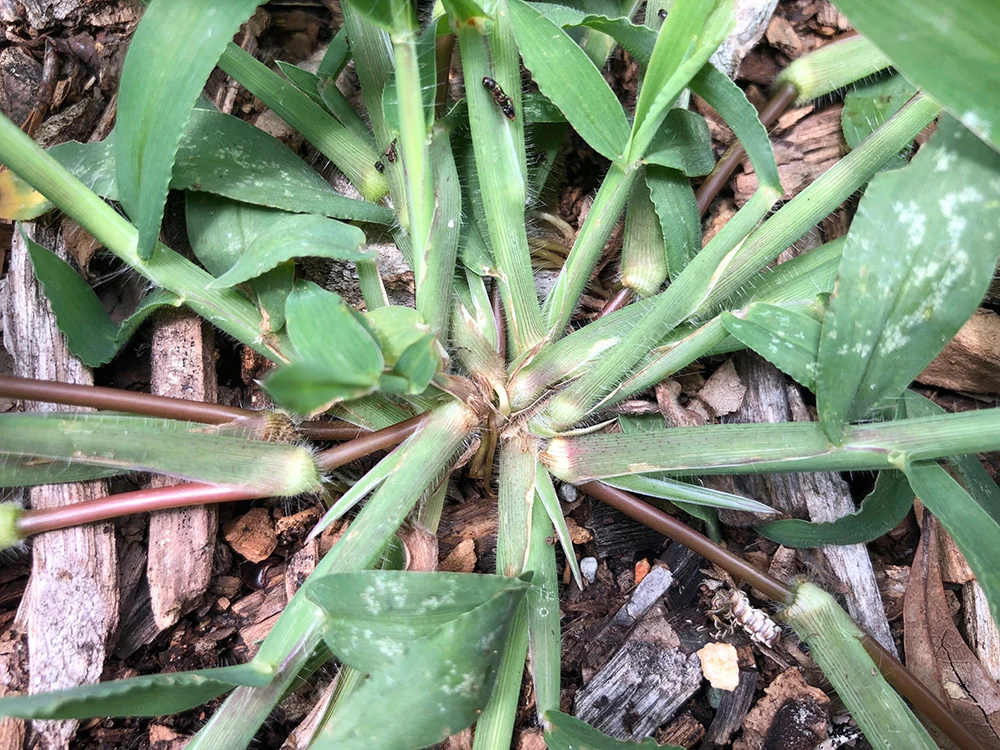
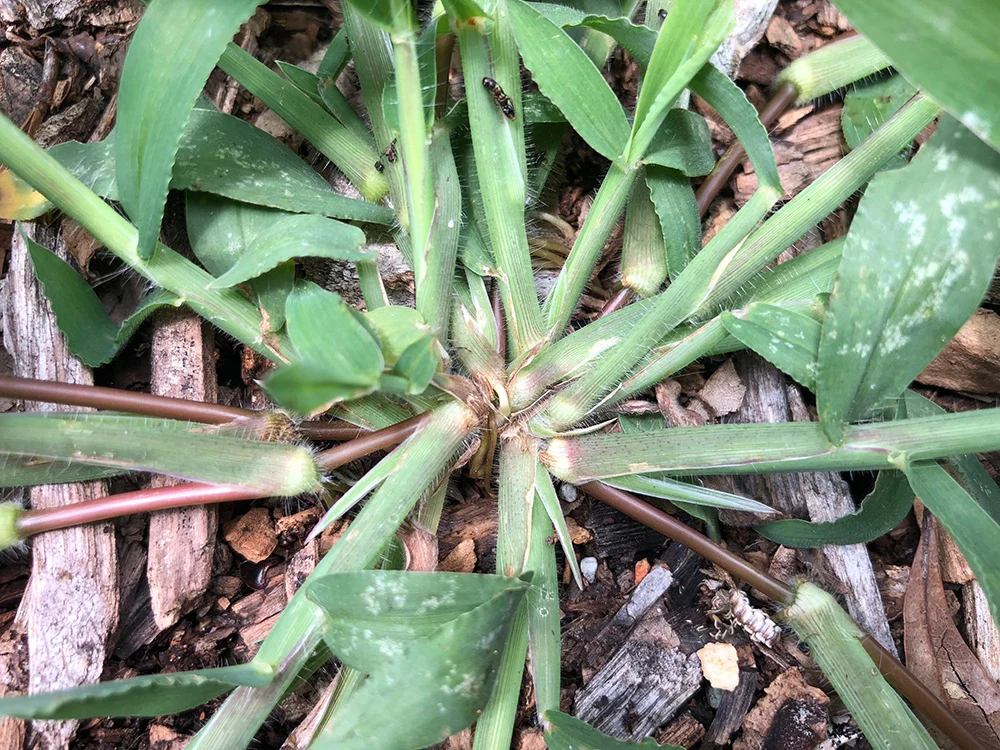
Crabgrass is commonly seen as an unwelcome intruder in lawns and gardens. However, recent studies and traditional practices have shed light on the surprising benefits that this resilient plant has to offer. From its nutritional value to its environmental advantages, crabgrass deserves a second look. Let’s explore why this pesky weed might not be as bad as you think.
Nutritional Value: More Than Just a Weed
Crabgrass seeds are a treasure trove of nutrients. They are packed with proteins, vitamins, and minerals, making them a nutritious addition to diets in some cultures.
- Proteins: Essential for muscle repair and growth.
- Vitamins: Like vitamin E, important for skin health and immune function.
- Minerals: Including magnesium, calcium, and potassium, crucial for various bodily functions.
Additionally, the leaves and seeds of crabgrass can be consumed in some parts of the world. The young leaves are a tasty addition to salads or can be cooked as a leafy green, while the seeds can be ground into flour for baking.
Environmental Benefits: A Surprising Ally
Crabgrass offers several advantages to the environment, including:
Erosion Control
With its robust root system, crabgrass helps stabilize soil and prevent erosion. Its ability to grow quickly and cover the ground makes it an effective plant for controlling soil erosion on slopes and disturbed lands.
Drought Tolerance
Crabgrass is highly resilient in dry conditions, making it an ideal choice for maintaining green cover and preventing soil degradation in arid and semi-arid regions. When other grasses struggle to survive, crabgrass thrives.
Agricultural Benefits: Nature’s Fodder
Crabgrass isn’t just for the birds. It offers valuable benefits to agriculture, such as:
Forage for Livestock
Livestock can enjoy the benefits of crabgrass as a nutritious forage option. It provides a reliable source of fodder, especially during the summer months when other forages might be scarce.
- High Digestibility: It’s a great food source for cattle, goats, and sheep due to its high digestibility.
- Palatability: Livestock find crabgrass tasty, ensuring they readily consume it.
Cover Crop
As a cover crop, crabgrass helps improve soil fertility by enhancing organic matter content and promoting microbial activity. Its fast growth also suppresses other weeds, reducing the need for herbicides.
Medicinal Uses: Healing Properties
Did you know that crabgrass has been used in traditional medicine for centuries? Some of its potential medicinal uses include:
Diuretic Properties
Crabgrass is believed to have diuretic effects, helping flush out toxins from the body by increasing urine production.
Anti-inflammatory Benefits
In various traditional medicine systems, crabgrass has been utilized for its anti-inflammatory properties. It can assist in reducing inflammation and pain, especially in conditions like arthritis.
Practical Tips for Managing Crabgrass
While crabgrass offers numerous benefits, it can still be invasive and challenging to manage, especially in lawns and gardens where a uniform appearance is desired. Here are some practical tips for managing crabgrass:
- Cultural Control:
- Mowing: Regularly mow your lawn at the appropriate height to prevent crabgrass from setting seeds.
- Watering: Deep and infrequent watering encourages the growth of deeper-rooted grasses, outcompeting crabgrass.
- Mechanical Control:
- Hand Pulling: For small infestations, removing crabgrass by hand can be effective, especially when the soil is moist.
- Tilling: When feasible, tilling the soil can help remove young crabgrass before it takes hold.
- Chemical Control:
- Pre-emergent Herbicides: Applying pre-emergent herbicides in the spring can prevent crabgrass seeds from germinating.
- Post-emergent Herbicides: Use post-emergent herbicides to control existing crabgrass plants, following the label instructions carefully for safe and effective use.
Embracing Crabgrass: A Sustainable Approach
Instead of viewing crabgrass solely as an adversary, let’s consider its positive attributes and how it might contribute to a more sustainable and resilient environment. By understanding and managing it properly, we can unlock its potential benefits while keeping it under control in our lawns and gardens.
So the next time you spot crabgrass in your yard, take a moment to appreciate its hidden advantages. You may find that this resilient plant can be a valuable addition to creating a sustainable and thriving ecosystem.