

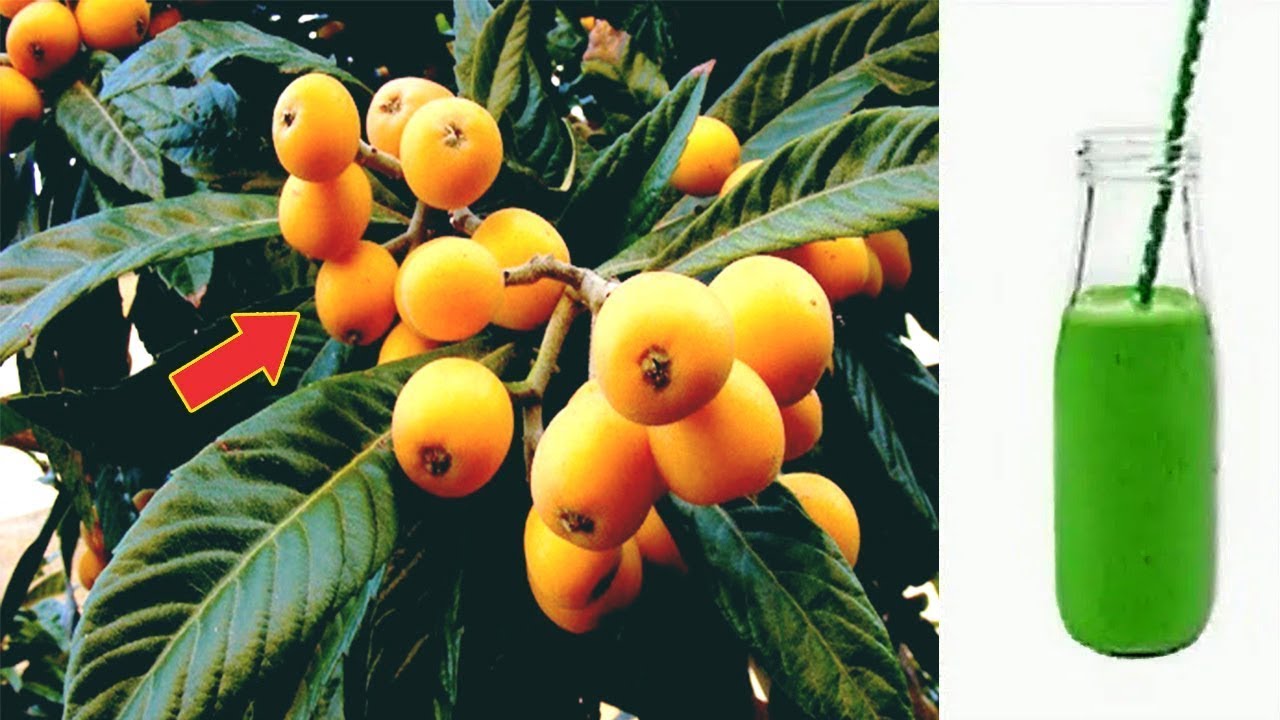
Eriobotrya japonica, commonly known as loquat, is a plant whose leaves are highly valued for their medicinal properties, making them as precious as gold in the world of natural remedies. Rich in nutrients and bioactive compounds, loquat leaves offer a range of health benefits, from soothing the skin to supporting respiratory health. Here’s why just one leaf of this plant is considered a treasure trove of benefits.
Health Benefits of Loquat Leaves
- Rich in Antioxidants: Loquat leaves are packed with antioxidants, which help neutralize harmful free radicals in the body. This can reduce oxidative stress and lower the risk of chronic diseases such as heart disease, diabetes, and cancer.
- Anti-inflammatory Properties: The leaves contain triterpenoids and flavonoids, compounds known for their effective anti-inflammatory properties. These can help reduce inflammation in the body, aiding in the relief of conditions like arthritis and asthma.
- Supports Respiratory Health: Loquat leaves are traditionally used in Eastern medicine to make syrups and teas that help treat respiratory ailments. They can soothe a sore throat, calm coughs, and clear mucus from the lungs.
- Blood Sugar Regulation: Some studies suggest that loquat leaves may help lower blood sugar levels, making them beneficial for people with diabetes. They can enhance the body’s insulin sensitivity and help manage glucose levels.
- Skin Health: When applied topically, extracts from loquat leaves can help heal skin wounds, reduce redness, and improve skin health due to their antibacterial and anti-inflammatory properties.
How to Use Loquat Leaves
- Tea: One of the most common uses of loquat leaves is in the form of tea. Simply boil a leaf or two in water to make a soothing tea that can help with digestion, respiratory issues, and to harness its general antioxidant benefits.
- Topical Application: For skin issues, a paste made from crushed loquat leaves can be applied to the skin to help treat inflammation and irritation.
- Cooking: Although less common, loquat leaves can sometimes be used in cooking, typically in wrapped dishes where the leaves impart a mild flavor and additional nutrients.
Preparing Loquat Leaf Tea
Ingredients:
- 1-2 dried loquat leaves
- 1 liter of water
Instructions:
- Clean the Leaves: Rinse the leaves thoroughly to remove any dirt or debris.
- Boil: Bring the water to a boil in a large pot and add the cleaned leaves.
- Simmer: Reduce the heat and let the leaves simmer for about 15 minutes.
- Steep: Remove the pot from the heat and allow it to steep for an additional 5-10 minutes.
- Strain and Serve: Strain out the leaves and serve the tea. It can be enjoyed hot or cold, and you might add a bit of honey for sweetness if desired.
Considerations
While loquat leaf tea is generally safe for most people, it’s always wise to consult with a healthcare provider before starting any new herbal remedy, especially if you have existing health conditions or are taking medications.
The loquat leaf, with its wide range of health benefits and applications, truly is a valuable asset in the natural health world, akin to a “gold mine” for those who understand and appreciate its potential.



