
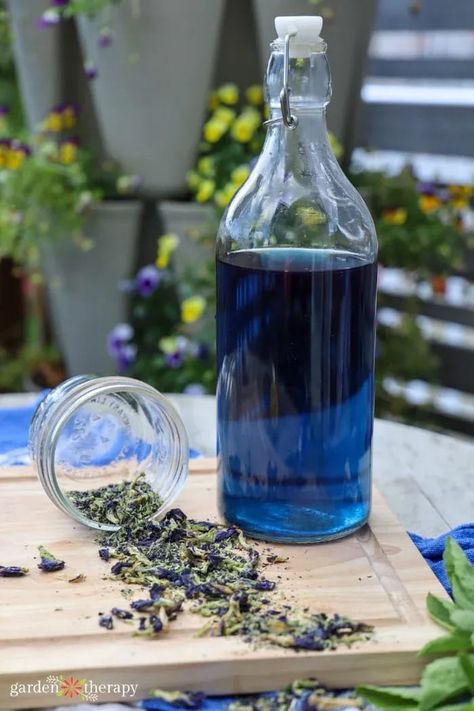
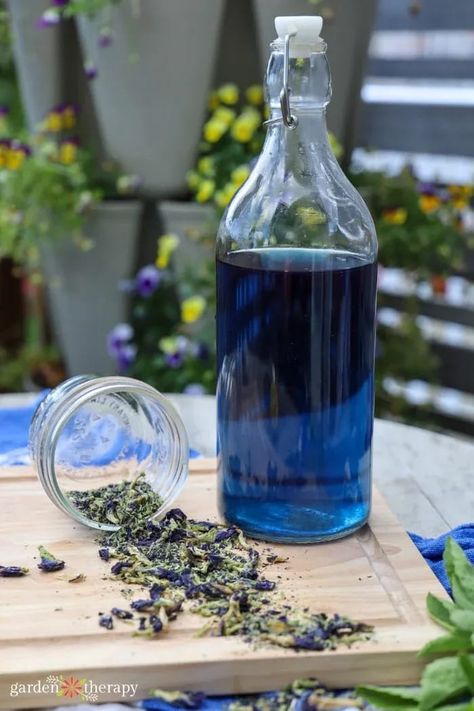
Blue tea, made from the dried petals of the butterfly pea flower (Clitoria ternatea), is a vibrant blue herbal tea that has gained popularity for its striking color and numerous health benefits. Known for its mild earthy flavor and versatility, this tea is also a natural food coloring and a treasure trove of nutrients. Let’s explore the benefits and uses of this stunning beverage.
Health Benefits of Blue Tea
1. Rich in Antioxidants
- Blue tea is packed with anthocyanins, powerful antioxidants that help neutralize free radicals, reducing oxidative stress and slowing the aging process.
2. Enhances Brain Function
- Compounds in butterfly pea flowers, such as proanthocyanidins, improve blood circulation to the brain, enhancing cognitive function, memory, and focus.
3. Supports Skin and Hair Health
- Its antioxidants protect against skin damage from UV rays and pollution.
- The tea also promotes hair growth by improving blood flow to the scalp.
4. Helps with Weight Loss
- Blue tea acts as a natural diuretic, flushing out toxins and excess fluids from the body, aiding in weight management.
5. Reduces Stress and Promotes Relaxation
- Its mild sedative properties help reduce anxiety and promote relaxation, making it a perfect evening drink.
6. Regulates Blood Sugar Levels
- Research suggests that blue tea can help stabilize blood sugar levels, making it beneficial for those with diabetes or insulin resistance.
7. Improves Eye Health
- The anthocyanins in butterfly pea tea are believed to enhance vision by improving blood flow to the capillaries in the eyes and reducing inflammation.
8. Anti-Inflammatory Properties
- Blue tea has anti-inflammatory properties that help in reducing swelling and pain in conditions such as arthritis.
9. Boosts Immunity
- The high levels of flavonoids in blue tea strengthen the immune system, protecting against infections.
10. Balances Mood
- The soothing properties of blue tea help combat mood swings and mild symptoms of depression.
How to Use Blue Tea
1. As a Beverage
- Hot Tea: Brew dried butterfly pea flowers in hot water for 5 minutes, strain, and enjoy. Add honey or lemon for flavor. Lemon will also change the color to purple due to its acidity!
- Iced Tea: Brew and cool the tea, then serve over ice for a refreshing drink.
2. Natural Food Coloring
- The vibrant blue hue makes butterfly pea tea a natural food coloring for desserts, cocktails, and smoothies. Add lemon juice for a purple tint.
3. In Beauty Products
- Butterfly pea flower extract is often used in DIY face masks and hair rinses to enhance skin glow and hair shine.
4. Herbal Remedy
- Mix blue tea with other herbs like lemongrass or ginger for added therapeutic benefits.
How to Make Blue Tea
Ingredients:
- 1-2 teaspoons of dried butterfly pea flowers (or 5-6 flowers)
- 1 cup of hot water
- Optional: Honey, lemon, or mint for flavor
Instructions:
- Bring water to a boil and let it cool slightly (about 80°C/176°F is ideal).
- Add butterfly pea flowers to the water and let them steep for 5-7 minutes.
- Strain the tea into a cup. Add honey or lemon juice for extra flavor and enjoy!
Precautions
- Pregnancy and Breastfeeding: Consult a healthcare provider before consuming blue tea during pregnancy or breastfeeding.
- Allergies: Rare, but always ensure you are not allergic to butterfly pea flowers.
- Moderation: Excessive consumption might cause mild digestive discomfort for sensitive individuals.
Conclusion
Blue tea is more than just a beautiful drink; it’s a powerhouse of health benefits that can enhance your well-being while offering a unique sensory experience. Whether you enjoy it for its antioxidant properties, its ability to soothe the mind, or its vibrant color-changing appeal, butterfly pea tea is a fantastic addition to your daily routine. Give it a try and discover its wonders for yourself!



