
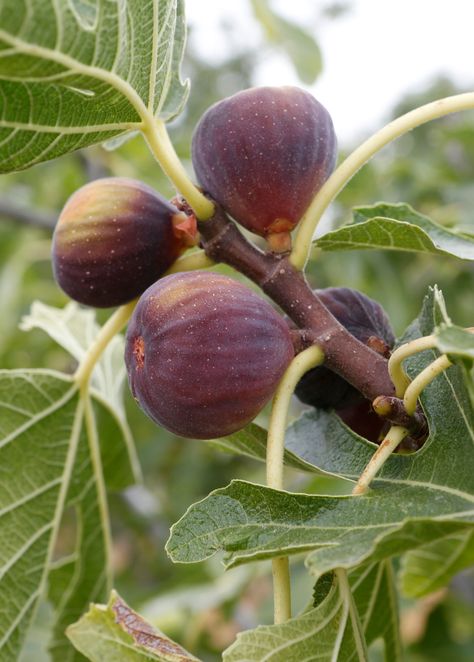

For those looking to manage diabetes naturally, incorporating fig leaves into your diet could be a beneficial strategy. While it’s essential to follow medical advice and maintain any prescribed treatments, adding natural remedies like fig leaves can provide complementary benefits. Fig leaves have been used traditionally in various cultures due to their reputed medicinal properties, particularly in relation to diabetes and blood sugar control.
Why Fig Leaves?
Fig leaves are increasingly recognized for their potential anti-diabetic properties. They contain high levels of natural antioxidants, fiber, and other compounds that can help to stabilize blood sugar levels. Some studies suggest that the extract from fig leaves can promote insulin sensitivity and may reduce the amount of insulin needed by individuals with diabetes.
Benefits of Fig Leaves for Diabetes
- Improves Glucose Metabolism: Fig leaves are believed to have properties that help reduce the body’s glucose absorption, making them a natural ally in blood sugar management.
- Antioxidant Properties: The high antioxidant content in fig leaves can help combat oxidative stress, which is linked to many chronic diseases, including diabetes.
- Reduces Insulin Need: Some research indicates that consuming fig leaf tea can lower the insulin requirements for some diabetic patients, helping to manage the condition more naturally.
How to Use Fig Leaves
You can incorporate fig leaves into your diet in various forms, such as teas, extracts, or even using the fresh leaves in cooking. Here’s a simple way to make fig leaf tea:
Fig Leaf Tea Recipe
Ingredients:
- 3 to 4 dried fig leaves (or fresh if available)
- 1 liter of water
Instructions:
- Boil Water: Bring the water to a boil in a large pot.
- Add Fig Leaves: Once the water is boiling, add the fig leaves.
- Simmer: Reduce the heat and let the leaves simmer for about 15 minutes.
- Strain and Serve: Remove from heat, strain out the leaves, and serve the tea. You can drink it hot or cold, depending on your preference.
Frequency:
- Drink a cup of fig leaf tea in the morning on an empty stomach to help regulate your blood sugar levels throughout the day.
Precautions:
- While fig leaves are generally safe for consumption, it’s crucial to consult with your healthcare provider before starting any new treatment, especially if you have diabetes or other health conditions.
- Monitor your blood sugar levels regularly to ensure they remain within a safe range, particularly if you are adjusting your diet or trying new remedies.
Conclusion
Using fig leaves as a part of your daily routine can be a natural and cost-effective way to help manage blood sugar levels. Whether you choose to make tea, use extracts, or cook with the leaves, fig leaves offer a natural alternative to support diabetes management. Always remember to coordinate with healthcare professionals when incorporating any new element into your health regimen, especially for conditions like diabetes.



