
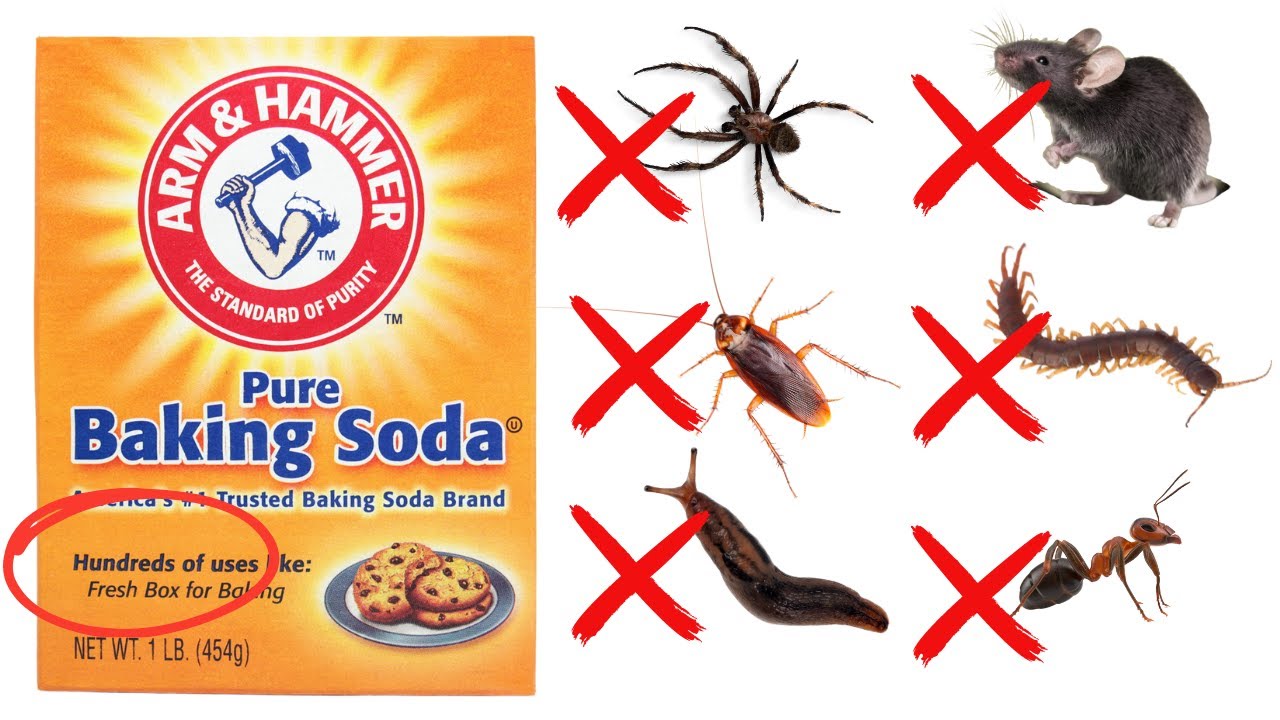
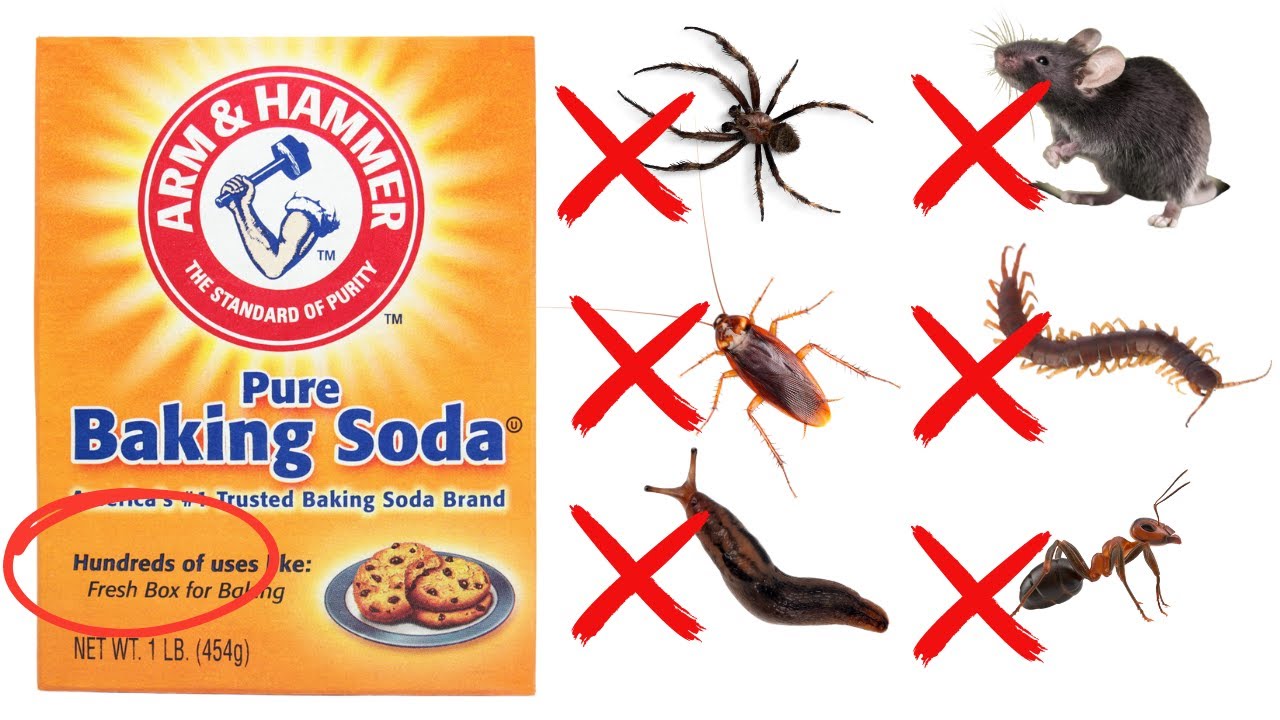
Baking soda isn’t just for baking—it’s a natural, safe, and affordable solution to deal with household pests. Its unique properties make it effective for repelling or eliminating various pests without the use of harmful chemicals. Here’s how to use baking soda to tackle some of the most common unwelcome guests in your home.
Why Baking Soda Works Against Pests
- Disrupts Digestive Systems: For pests like roaches and ants, consuming baking soda causes a reaction in their stomachs that leads to their elimination.
- Dehydrates Pests: Baking soda absorbs moisture, dehydrating pests like bedbugs and spiders.
- Odor Neutralizer: It eliminates odors that attract pests like mice and cockroaches.
- Non-Toxic: Safe for humans and pets when used appropriately, it’s a chemical-free alternative to commercial pesticides.
1. Cockroaches
How to Use: Mix equal parts baking soda and sugar. Place small piles of the mixture in areas where you’ve seen roaches.
Why It Works: The sugar attracts roaches, and when they consume the mixture, the baking soda reacts with their digestive system, killing them.
2. Ants
How to Use: Combine 1 part baking soda with 1 part powdered sugar. Sprinkle it near ant trails or entry points.
Why It Works: Ants are attracted to the sugar, and the baking soda disrupts their bodily functions after ingestion.
3. Spiders
How to Use: Sprinkle baking soda along windowsills, corners, and cracks where spiders may enter.
Why It Works: Spiders dislike the texture and smell of baking soda, making it a natural deterrent.
4. Mice
How to Use: Mix baking soda with peanut butter to form small bait balls. Place them near mouse entry points.
Why It Works: When ingested, the reaction in the mouse’s stomach leads to their elimination.
5. Bedbugs
How to Use: Sprinkle baking soda around bed frames, mattresses, and cracks in furniture. Vacuum and reapply every few days.
Why It Works: Baking soda dehydrates bedbugs by absorbing the moisture from their exoskeletons.
6. Fleas
How to Use: Mix baking soda with salt and sprinkle it over carpets and pet bedding. Leave it for 24 hours, then vacuum thoroughly.
Why It Works: The mixture dries out and kills fleas and their eggs.
7. Fruit Flies
How to Use: Create a mixture of baking soda and apple cider vinegar in a shallow dish. Cover with plastic wrap and poke small holes.
Why It Works: Fruit flies are attracted to the vinegar and get trapped, while the baking soda enhances the effect.
8. Mosquitoes
How to Use: Mix baking soda with water to create a paste and apply it to mosquito-prone areas like window frames and doorways.
Why It Works: The smell acts as a natural repellent.
9. Silverfish
How to Use: Sprinkle baking soda in damp, dark areas like under sinks and in closets.
Why It Works: Baking soda dries out their environment, making it inhospitable.
10. Gnats
How to Use: Mix baking soda with dish soap and water, and place it in small bowls around the house.
Why It Works: Gnats are attracted to the solution and become trapped.
General Tips for Using Baking Soda for Pest Control
- Identify Entry Points: Apply baking soda near cracks, crevices, and windows where pests may enter.
- Reapply Regularly: Refresh the baking soda every few days for persistent pests.
- Keep It Dry: Baking soda works best in dry conditions. Replace it if it becomes damp.
- Combine with Other Natural Remedies: Pair baking soda with vinegar, essential oils, or salt for enhanced effectiveness.
Additional Pests Baking Soda Can Tackle
- Ticks
- Moths
- Beetles
- Centipedes
- Hornets
- Termites
- Houseflies
Conclusion
Baking soda is a versatile, cost-effective, and eco-friendly solution for dealing with a wide range of household pests. By using it strategically, you can keep your home pest-free without resorting to harmful chemicals. Give these methods a try and enjoy a cleaner, safer environment for your family!



