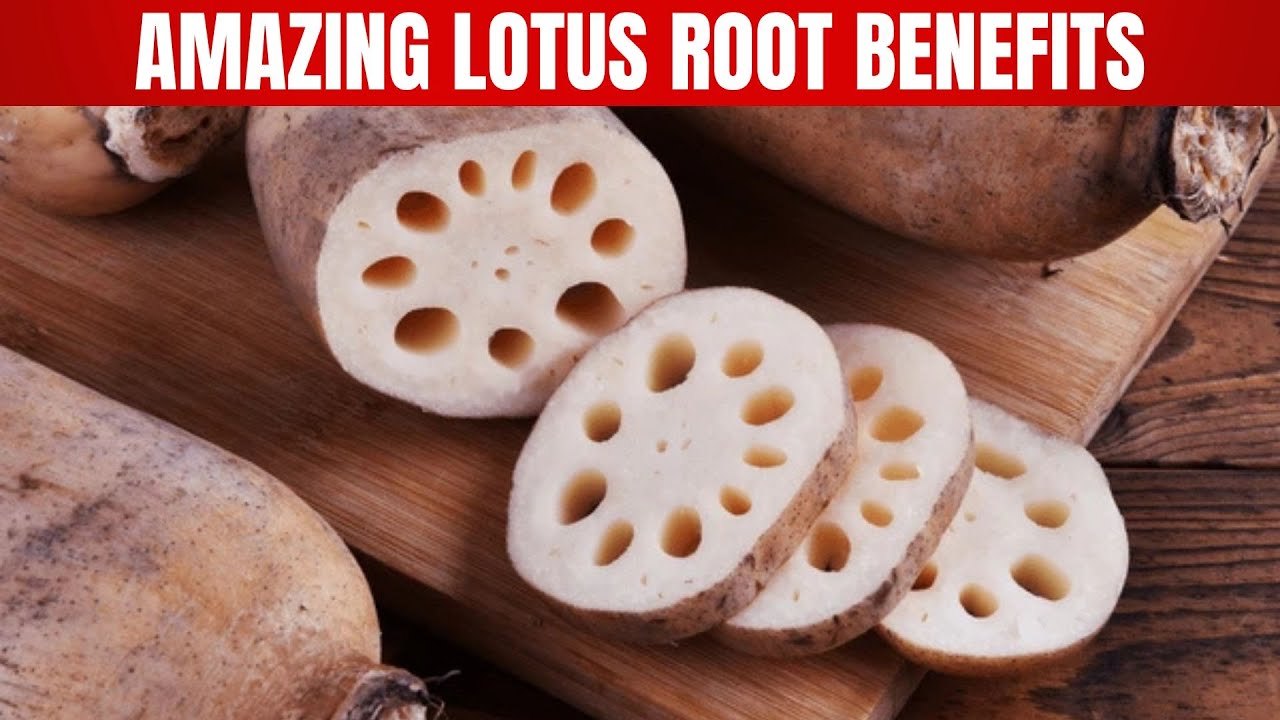
Lotus root, the edible rhizome of the lotus plant, is not only a versatile ingredient in many culinary traditions, especially in Asia, but also a powerhouse of health benefits. Known for its crunchy texture and mildly sweet flavor, lotus root is packed with nutrients, making it an excellent choice for supporting brain health, digestive wellness, and cardiovascular function. Let’s dive into the specific benefits this super herb offers for your brain, gut, and heart.
Nutritional Profile
Lotus root is rich in dietary fiber, vitamin C, potassium, thiamine, riboflavin, vitamin B6, phosphorus, copper, and manganese. It also contains a moderate amount of iron and small amounts of zinc, magnesium, and calcium. This nutritional density supports various bodily functions, including mental and physical health.
Benefits for the Brain
- Cognitive Enhancement: Lotus root is a good source of vitamin B complexes, such as thiamine, pantothenic acid, and niacin, which are known to help enhance cognitive functions and improve neurological health. These nutrients aid in regulating neurotransmitters and can help prevent neurodegenerative diseases.
- Mood Regulation: The B vitamins in lotus root also play a role in improving mood by influencing the production of serotonin and dopamine, neurotransmitters that help stabilize mood and reduce symptoms of depression and anxiety.
Benefits for the Gut
- Dietary Fiber: Lotus root is high in dietary fiber, which is essential for maintaining healthy digestion. Fiber helps to bulk up stool and facilitates regular bowel movements, which helps prevent constipation and promotes a healthy digestive tract.
- Prebiotic Properties: The fiber in lotus root also acts as a prebiotic, feeding the good bacteria in the gut. A healthy gut flora is crucial for digestion, immune function, and overall health.
Benefits for the Heart
- Potassium Content: The high level of potassium in lotus root helps to regulate blood pressure by counteracting the effects of sodium in the body. Maintaining a healthy balance of potassium is crucial for heart health, as it helps to relax blood vessels and reduces the risk of stroke and other cardiovascular diseases.
- Reduced Cholesterol: Lotus root also contains compounds that are thought to help reduce cholesterol levels, further supporting cardiovascular health by preventing conditions like atherosclerosis, heart attacks, and strokes.
How to Incorporate Lotus Root into Your Diet
- Cooked Dishes: Lotus root can be sliced and added to soups, stews, or stir-fries. It absorbs flavors well and adds a pleasant crunch to dishes.
- Salads: Thinly sliced lotus root can be used in salads. Blanching it quickly in boiling water can help soften it slightly while still retaining its crunch.
- Snacks: Thin slices of lotus root can be baked or fried to make healthy chips.
- Tea: Dried lotus root can be brewed into a tea as a traditional remedy for improving respiratory health.
Lotus root is not only a versatile ingredient that can be cooked in numerous ways but also a nutrient-rich superfood that supports brain, gut, and heart health. Its numerous health benefits make it a valuable addition to a balanced diet, promoting overall well-being and preventing chronic diseases.