
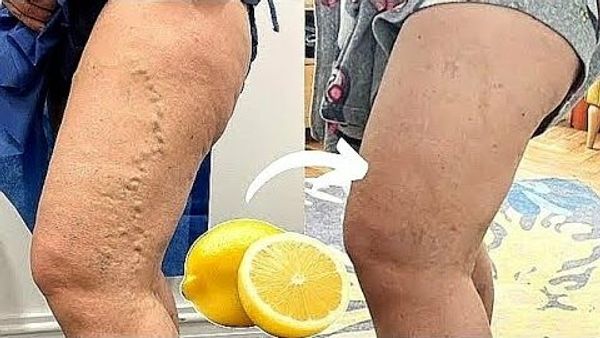
Lemons are known for their numerous health benefits, such as their high vitamin C content which is essential for the health of veins and capillaries. While lemons and their juice can support vascular health due to their antioxidant properties, it’s important to note that they do not have the ability to eliminate varicose veins once they have formed.
Varicose veins are swollen and enlarged veins, usually found on the legs, caused by valves in the veins not functioning properly which leads to blood pooling. Weak vein walls and valves can be influenced by factors like genetics, obesity, pregnancy, and prolonged standing.
How Lemons Can Help
-
Supporting Vascular Health
- Vitamin C: Lemons are rich in vitamin C, which is essential for the production of collagen and elastin. These proteins help keep veins strong and flexible, potentially preventing the worsening of varicose veins.
- Antioxidant Properties: The antioxidants in lemons can protect the veins from oxidative damage, promoting overall vascular health.
-
Anti-inflammatory Effects
- The anti-inflammatory properties of lemons may help reduce swelling and discomfort associated with varicose veins. While this is more about symptom management rather than treating the underlying vein issues, it can provide relief.
How to Incorporate Lemons
While lemons alone can’t cure varicose veins, incorporating them into a holistic approach to vascular health can be beneficial. Here are a few practical ways to use lemons:
-
Lemon Water
- Drinking lemon water can help hydrate and detoxify the body, potentially improving blood flow and reducing inflammation. Simply add the juice of half a lemon to a glass of warm water and drink it daily.
-
Dietary Intake
- Increase your intake of vitamin C by consuming more citrus fruits like lemons. This can help maintain the health of your veins.
-
Topical Application
- While topical application of lemon juice or oil won’t cure varicose veins, it can be refreshing and may temporarily soothe the skin. Mix lemon juice with a carrier oil like coconut oil and gently massage it onto the skin. Take care as lemon juice can be irritating to the skin and should never be applied to open sores or wounds.
Professional Treatments
For those looking for more effective treatments for varicose veins, there are several medical options available:
- Compression Stockings: Wearing prescribed compression stockings can improve blood flow and alleviate symptoms.
- Sclerotherapy and Laser Treatments: These are common procedures that close off affected veins, reducing their appearance significantly.
In Conclusion
Incorporating lemons into your diet and daily routine can provide support for vascular health and potentially prevent further deterioration of varicose veins. However, it’s important to remember that they are not a cure. If you experience significant discomfort or complications from varicose veins, it’s important to consult with a healthcare provider to discuss appropriate medical treatments. While natural remedies can be a helpful part of overall health, they should never replace professional medical advice and treatment.



