
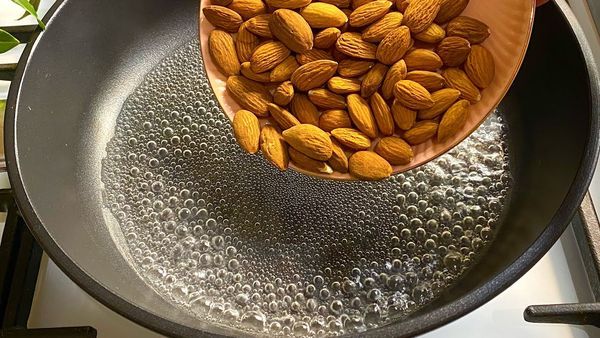
Blanching almonds is not just a culinary technique, it’s a game changer! It brings out the best in almonds, enhancing their flavor, texture, and versatility. Whether you’re a seasoned cook or just starting out, learning how to blanch almonds can take your recipes to a whole new level.
Easy Peeling
Blanching almonds in boiling water softens their skins, making them a breeze to peel. Once the skins are removed, you’re left with almonds that have a smooth, creamy texture—a perfect base for all your baking, cooking, and snacking desires.
Enhanced Flavor and Texture
By removing the skins, the slight bitterness of almonds is reduced, giving way to a more buttery and indulgent taste. This makes blanched almonds ideal for not only desserts, but also savory dishes that could benefit from a nutty, delicate flavor.
Increased Nutrient Absorption
Did you know that blanching can improve the digestibility of almonds? Some studies suggest that this technique can enhance the body’s ability to absorb the nutrients found in almonds. So not only do blanched almonds taste great, but they also offer a nourishing boost!
Ready to give it a try? Here’s a simple step-by-step guide to blanching almonds at home:
- Boil Water: Fill a pot with water and bring it to a rolling boil.
- Prepare Almonds: Add raw almonds to the boiling water, ensuring they are fully submerged.
- Timing is Key: Let the almonds boil for just 60 seconds. Be careful not to overcook them, as it can affect both their texture and flavor.
- Cooling: Drain the hot water immediately and rinse the almonds under cold water. This halts the cooking process and cools them down, making them easier to handle.
- Peeling: Once cooled, gently squeeze an almond between your thumb and forefinger. The skin should easily slide off.
- Drying: After peeling, place the almonds on a clean kitchen towel or paper towel to remove any excess moisture.
Blanched almonds are incredibly versatile and can be used in a variety of culinary applications:
- Baking and Confections: Add blanched almonds to recipes for cakes, cookies, and other desserts where a smooth texture is desired.
- Almond Flour/Meal: Grind blanched almonds to make your own almond flour or meal, which is a fantastic gluten-free alternative for baking.
- Snacking and Garnishing: Enjoy blanched almonds as a nutritious snack on their own, or chop them up and sprinkle them over salads, yogurt, or oatmeal for an added crunch and burst of nutrition.
Blanching almonds may be a simple technique, but its impact on flavor and versatility is undeniable. By incorporating blanched almonds into your cooking and baking, you’ll unlock a world of culinary possibilities. So go ahead, give it a try, and elevate your recipes with the magic of blanched almonds!



