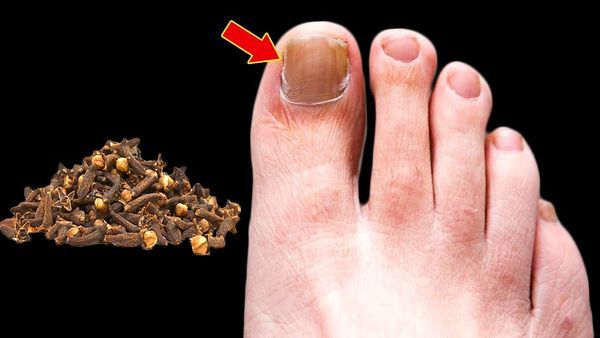
Nail fungus can be a persistent problem, especially as we age. But don’t worry, there are natural remedies that can help manage it. One such remedy is clove oil, which has powerful antifungal properties that can be beneficial in treating fungal infections, including those affecting the nails.
Clove oil contains eugenol, a potent compound known for its antifungal and antiseptic properties. That’s why clove oil is commonly used in traditional remedies for nail fungus. If you want to give it a try, here’s how you can use clove oil:
-
Get some pure clove essential oil from a health store or create your own infusion at home by soaking cloves in a carrier oil like olive or coconut oil for several weeks.
-
Clean and dry the affected nail thoroughly. This step is important to ensure proper absorption of the oil.
-
Apply a small amount of clove oil to the nail using a cotton swab. Just be careful if you have sensitive skin around the nail, as clove oil can be potent and may cause irritation.
-
Allow the oil to soak into the nail and under the nail bed. This will help the oil penetrate the infection and work its magic.
For the best results, repeat this process 2-3 times daily. Remember, consistency is key when using natural remedies like clove oil. It’s important to have realistic expectations, as natural remedies take time to show effects. The severity of the infection also plays a role in the treatment timeline. In some cases, over-the-counter antifungal treatments or prescription medications may be necessary, especially for severe infections.
Alongside using clove oil, maintaining good nail hygiene is crucial. Keep your nails clean and dry, and try to wear breathable footwear. If your nail fungus is severe or doesn’t improve with home remedies, it’s always best to consult a healthcare provider for further guidance.
Clove oil is a natural remedy that may aid in managing nail fungus, but it’s important to understand that it’s not an instant cure. It should be used as part of a comprehensive approach that includes proper nail care and, if necessary, seeking medical advice. Remember, patience and persistence are key when dealing with fungal infections. So don’t give up and keep up with your nail care routine!