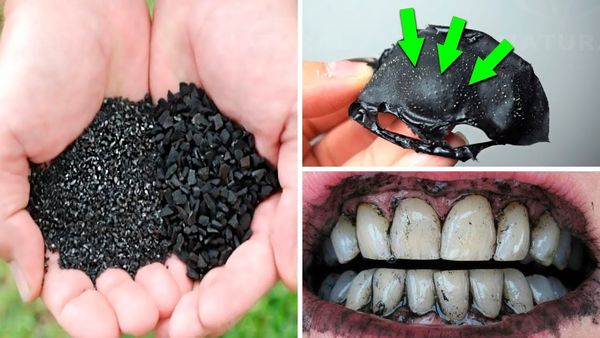
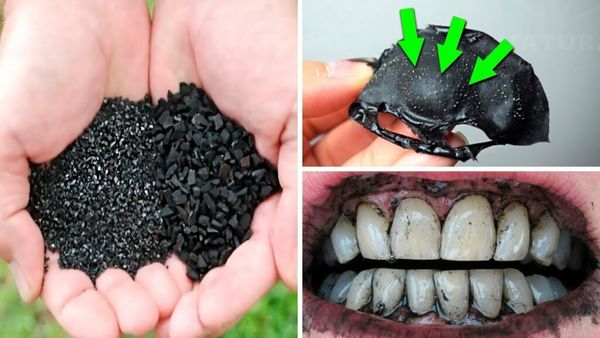
Activated charcoal is a natural remedy that has gained popularity for its ability to detoxify the body, whiten teeth, and alleviate digestive issues. Made from materials like coconut shells or wood, activated charcoal is heated to increase its surface area, making it highly porous and effective at trapping toxins. Let’s explore what activated charcoal actually does to your body and why it’s getting so much attention.
Teeth Whitening
One of the most well-known uses of activated charcoal is for whitening teeth. It is often used as a natural alternative to commercial teeth-whitening products.
How It Works:
- Activated charcoal binds to substances that stain the teeth, such as tannins from coffee, wine, and tea, as well as plaque. It absorbs these particles, lifting them away from the surface of the teeth.
- It also has a mild abrasive effect, helping to scrub away surface stains without using harsh chemicals.
How to Use It:
- Wet your toothbrush and dip it into powdered activated charcoal.
- Gently brush your teeth for 2 minutes.
- Rinse thoroughly with water to remove all the charcoal residue.
- Use 2-3 times a week to prevent excessive abrasion of the enamel.
Caution: While activated charcoal can help whiten teeth, it’s important to use it sparingly and consult a dentist if you have concerns about its abrasive nature.
Detoxifies the Body
Activated charcoal is highly absorbent and can trap toxins and chemicals in its pores, preventing them from being absorbed into the body. This makes it useful for detoxification in certain situations.
How It Works:
- When ingested, activated charcoal binds to toxins in the stomach and intestines. These toxins are then passed through the digestive system and excreted. This property of activated charcoal makes it a common remedy for poisoning or drug overdoses in emergency medical situations.
- Activated charcoal also binds to certain harmful substances like heavy metals, chemicals, and pesticides, helping to flush them out of the body.
Caution: Activated charcoal should only be used for detoxification under medical supervision, especially in cases of poisoning. Excessive or improper use may interfere with the absorption of medications or essential nutrients.
Relieves Gas and Bloating
Activated charcoal is commonly used to alleviate digestive discomfort, including gas and bloating.
How It Works:
- Activated charcoal can bind to gas-producing compounds in the digestive tract, reducing gas buildup and relieving bloating.
- It also helps absorb toxins and waste products that may contribute to digestive issues, creating a more comfortable environment in the gut.
How to Use It:
- Activated charcoal is available in capsules, tablets, or powder form. Follow the instructions on the packaging, but it’s generally recommended to take it with water after meals if you experience bloating or gas.
- Drink plenty of water when taking activated charcoal to help flush it through your system and avoid constipation.
Helps with Poisoning and Overdose
Activated charcoal is widely used in emergency rooms to treat poisoning and drug overdoses. Its ability to bind to toxins makes it an effective treatment in these cases.
How It Works:
- Activated charcoal binds to toxins and drugs in the stomach and intestines, preventing their absorption into the bloodstream. This is why it’s often used in cases of accidental poisoning or overdose, especially with substances like alcohol, aspirin, or certain medications.
- It is most effective if taken within an hour of ingesting the toxic substance.
Important: Activated charcoal should never be used at home for serious poisoning or overdose without medical supervision. Seek emergency care immediately in such situations.
Supports Kidney Function
Activated charcoal may help support kidney function by reducing the levels of waste products that the kidneys typically filter out, particularly in people with chronic kidney disease.
How It Works:
- Activated charcoal binds to urea and other toxins, helping to reduce the workload on the kidneys and prevent the buildup of waste products in the bloodstream.
- This is especially beneficial for people with compromised kidney function, as it can help reduce the levels of toxins in the body.
Caution: Always consult a healthcare provider before using activated charcoal to support kidney health, especially if you have pre-existing conditions.
Clears Skin and Treats Acne
Activated charcoal is becoming a popular ingredient in skincare products. Its ability to absorb impurities, oils, and toxins from the skin makes it an effective remedy for treating acne and oily skin.
How It Works:
- The porous structure of activated charcoal draws out dirt, oil, and toxins from clogged pores, making it a popular remedy for treating acne and oily skin.
- Activated charcoal masks and cleansers can help detoxify the skin, leaving it feeling fresh and clean.
How to Use It:
- Apply activated charcoal masks 1-2 times a week to draw out impurities from the skin.
- For spot treatments, mix a small amount of activated charcoal powder with water to create a paste, and apply it directly to acne-prone areas.
Caution: People with sensitive or dry skin should use activated charcoal sparingly, as excessive use can cause dryness.
Water Filtration
One of the original uses of activated charcoal was in water filtration systems. It is highly effective at trapping impurities, toxins, and chemicals from water.
How It Works:
- Activated charcoal filters are commonly used in water purification systems to remove chlorine, volatile organic compounds (VOCs), and other impurities from tap water.
- It helps improve the taste and quality of drinking water by absorbing harmful substances.
Precautions When Using Activated Charcoal
- Interferes with Medication Absorption: Activated charcoal may reduce the effectiveness of certain medications, including antibiotics and birth control pills. Always consult your doctor if you’re taking medications before using activated charcoal.
- Dehydration: Activated charcoal may cause dehydration, so it’s important to drink plenty of water when using it, especially for internal detox purposes.
- Constipation: Ingesting large amounts of activated charcoal can cause constipation, so always follow dosage instructions carefully.
Conclusion
Activated charcoal offers numerous health benefits, from whitening teeth to detoxifying the body and improving skin health. Its natural ability to absorb toxins and impurities makes it a powerful tool for various applications. However, it’s important to use activated charcoal with caution, especially when ingesting it, as it can interfere with medications and essential nutrients. Always consult with a healthcare provider before using activated charcoal for medical purposes.