
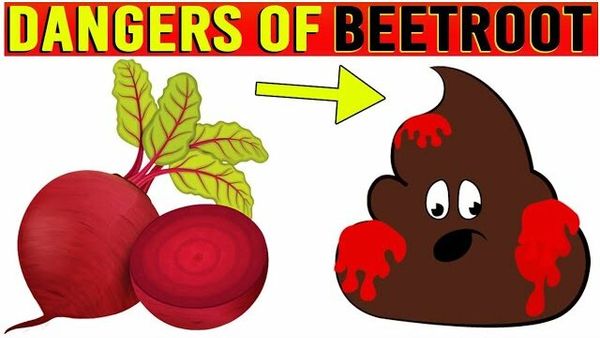
Beetroot is a true powerhouse of nutrients, filled with vitamins, minerals, and antioxidants. It offers a wide range of health benefits, but it’s important to be aware of some potential downsides before making it a regular part of your diet. Whether you’re a beet lover or considering adding it to your meals, here are a few things you should keep in mind if you’re in the 45 – 65 age range.
1. Kidney Stones: A Note of Caution
Beetroot contains oxalates, which can contribute to kidney stone formation, particularly in individuals who are prone to them. If you have a history of kidney stones, it’s best to consume beets in moderation. Talk to your healthcare professional to determine what’s right for you.
2. Blood Pressure Concerns: Finding the Sweet Spot
Beets are known to help lower blood pressure due to their nitrate content. However, if you are already taking medication for blood pressure, consuming an excessive amount of beets may cause a significant drop in blood pressure, leading to dizziness or even fainting. Always consult with your doctor to pace your beet intake and avoid any unpleasant surprises.
3. Beeturia: A Colorful Yet Harmless Surprise
One rather curious effect of beetroot consumption is a condition called beeturia, where your urine or stool may turn pink or reddish. While this might startle you at first, rest assured that it’s harmless. It’s always good to be prepared for such surprises, especially if you weren’t expecting them!
4. Digestive Troubles: Balancing the Fiber
Some individuals may experience bloating, gas, or stomach cramps after consuming beets, particularly if they have a sensitive digestive system. Beets are high in fiber, and excessive intake can lead to digestive discomfort. As always, listen to your body and enjoy beets in moderation to avoid any stomach mishaps.
5. Blood Sugar Management: Mind the Quantity
Although beets have a low glycemic index, they are naturally high in sugar. If you have diabetes, consuming large quantities of beets can cause a spike in blood sugar levels. To manage your blood sugar effectively, it’s important to monitor your beet intake and keep it in balance with other healthy foods.
6. Allergic Reactions: An Uncommon Occurrence
While rare, some individuals may have allergic reactions to beetroot, experiencing symptoms like itching, hives, or swelling. If you notice any allergic reactions after eating beets, it’s best to avoid them completely. Always put your health first and seek professional advice if needed.
7. Calcium Absorption: Finding the Right Balance
Beets, being high in oxalates, may interfere with calcium absorption in the body. Over time, this can affect bone health if not balanced with other calcium-rich foods. Make sure to incorporate a variety of calcium sources in your diet to keep your bones strong and healthy.
Final Thoughts: Enjoy Beets Wisely
Beetroot is undeniably a nutritious vegetable with numerous benefits. However, as with anything, moderation is key. If you have any underlying health conditions, it’s always wise to consult a healthcare professional before making significant changes to your diet. Embrace the goodness of beets, savor them wisely, and pair them with a balanced array of other healthy foods. Your body will thank you!



