Beetroot is a vegetable that is packed with nutrients and offers numerous health benefits. However, it’s important to understand that, like any food, consuming it in excess or in certain circumstances may have some negative effects. Before you make beetroot a regular part of your diet, here are some potential downsides you should be aware of.
1. May Cause Kidney Stones
Beetroot contains a substance called oxalates, which can contribute to the formation of kidney stones in individuals who are prone to them. If you have a history of kidney stones, it’s best to consume beets in moderation and consult with your doctor.
2. Can Lower Blood Pressure Too Much
The natural nitrate content in beets can help lower blood pressure. However, if you are already taking medication to control your blood pressure, consuming too many beets may cause a significant drop, leading to dizziness or fainting. It’s important to monitor your blood pressure levels and consult with your healthcare provider if you have any concerns.
3. Might Turn Urine and Stool Red or Pink
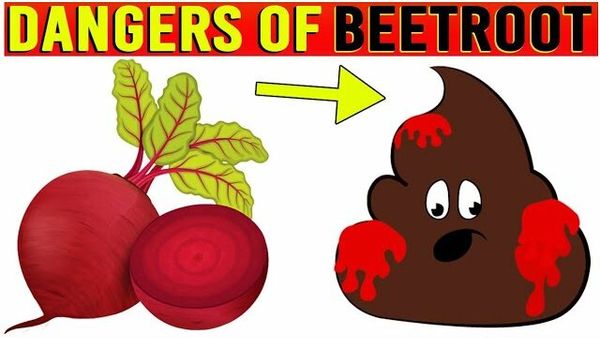
A harmless but surprising effect of beetroot is a condition called beeturia. This condition causes your urine or stool to turn pink or reddish. While this isn’t dangerous, it can be alarming if you’re not expecting it. Don’t worry, it’s just an interesting quirk of beetroot!
4. Can Cause Stomach Issues
Some individuals may experience bloating, gas, or stomach cramps after consuming beets, particularly if they have a sensitive digestive system. Beets are high in fiber, which, if eaten in excess, may lead to digestive discomfort. If you notice any stomach issues, it’s best to consume beets in moderation or speak to a healthcare professional.
5. May Affect Blood Sugar Levels
Although beets have a low glycemic index, they naturally contain sugar. Consuming them in large quantities can cause a spike in blood sugar levels, which is especially important for people with diabetes to monitor. If you have diabetes, it’s essential to keep an eye on your beet consumption and consult with your doctor or a registered dietitian.
6. Possible Allergic Reactions
Although rare, some individuals may have allergic reactions to beetroot. Symptoms may include itching, hives, or swelling. If you experience any allergic reactions after eating beets, it’s best to avoid them and consult with a healthcare professional for further guidance.
7. Might Interfere with Calcium Absorption
Due to their high oxalate content, beets can potentially interfere with calcium absorption in the body over time. This could have an impact on bone health if not balanced with other calcium-rich foods. It’s important to incorporate a variety of calcium sources in your diet to ensure optimal bone health.
Remember, beetroot is a nutritious vegetable with many benefits. However, as with any food, moderation is key. If you have any underlying health conditions or concerns, it’s always a good idea to consult a healthcare professional before making significant changes to your diet. Enjoy beets wisely and in balance with other healthy foods!