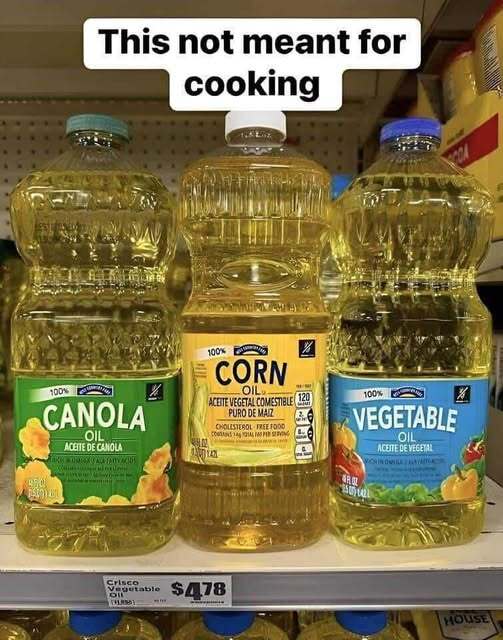
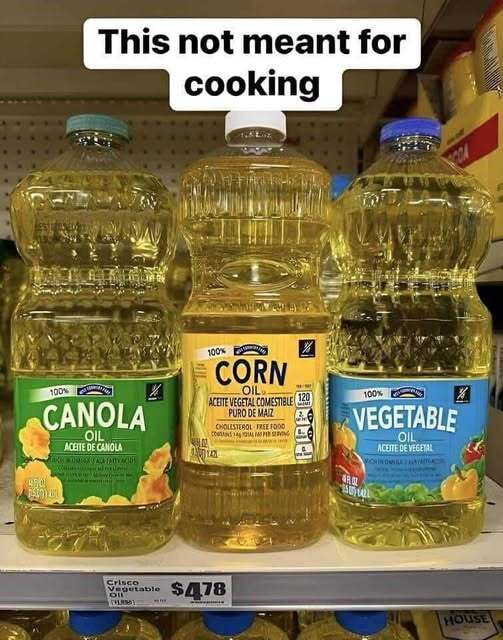
When it comes to cooking, choosing the right oil isn’t just about flavor — it’s about health and stability at high heat. Not all oils are created equal, and some popular choices may not be the best for your kitchen. Let’s break down why certain oils are less ideal for cooking and what you should keep in mind.
The Problem with Some Oils
The key issues with certain oils often come down to:
- Low Smoke Point
- High Levels of Unstable Fats
- Processing Methods
Let’s explore how each of these plays a role.
1. Low Smoke Point = Harmful Compounds
Smoke point is the temperature at which oil starts to smoke and break down. When an oil reaches this point, it produces:
- Free radicals
- Acrid flavors
- Potentially toxic compounds
Oils with low smoke points:
- Flaxseed oil
- Walnut oil
- Unrefined olive oil
- Pumpkin seed oil
These are best used raw (salad dressings, drizzling) rather than for frying or sautéing.
2. High in Unstable Polyunsaturated Fats
Some oils contain a large amount of polyunsaturated fatty acids (PUFAs). While these fats can be healthy in moderation, they’re unstable at high heat and prone to oxidation, which can trigger inflammation in the body.
Examples include:
- Corn oil
- Soybean oil
- Sunflower oil (unrefined)
- Cottonseed oil
3. Heavily Processed and Refined
Many inexpensive oils undergo heavy chemical processing and refining to make them shelf-stable. This process strips away nutrients and may leave behind residues or create harmful trans fats.
Watch out for:
- Vegetable oil blends
- Margarine
- Canola oil (highly refined versions)
Better Alternatives for Cooking
Instead, opt for stable, heat-resistant oils such as:
- Extra virgin olive oil (for low-medium heat)
- Avocado oil (high smoke point)
- Coconut oil (stable saturated fats)
- Ghee or butter (natural fats, if dairy is suitable for you)
Final Thought
Understanding which oils to avoid for cooking helps you protect both the flavor of your meals and your long-term health. Stick with oils that are stable, minimally processed, and suited for the heat level you’re using!