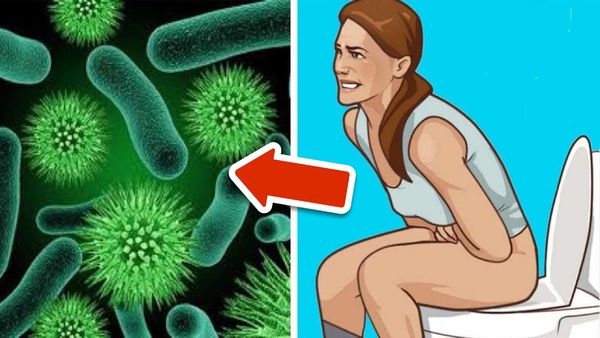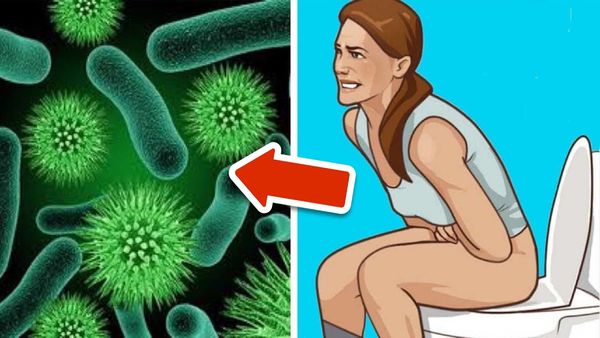
Probiotics are beneficial bacteria that play a crucial role in maintaining a balanced gut and overall health. However, as we age, our body’s supply of these helpful microbes tends to decline, leading to various health issues. If you’re between the ages of 45 and 65 and experiencing any of the following signs, it may be time to consider incorporating more probiotics into your diet.
1. Digestive Issues
Are you frequently bothered by bloating, gas, constipation, or diarrhea? These digestive problems could be a sign of an imbalance in your gut microbiome. By introducing probiotics into your routine, you can help restore healthy digestion and improve your bowel movements.
2. Weak Immune System
As we get older, our immune system becomes more vulnerable. If you find yourself catching colds or infections more often than usual, it could indicate that your gut health is compromised. Since a significant portion of our immune system resides in the gut, adding probiotics can be beneficial in strengthening your body’s defenses.
3. Skin Problems
Skin conditions such as acne, eczema, or rosacea can be linked to an unhealthy gut. Probiotics contribute to a balanced microbiome, which can help reduce inflammation and improve the health of your skin. Consider incorporating probiotics into your routine if you’re experiencing any skin issues.
4. Frequent Sugar Cravings
Do you find yourself constantly craving sugary foods? This could be a result of an imbalance in your gut bacteria. Harmful bacteria thrive on sugar, leading to increased cravings. By introducing probiotics, you can help crowd out the bad bacteria and reduce your sugar cravings.
5. Mood Swings or Brain Fog
Did you know that there’s a strong connection between your gut and your brain? If you’re experiencing mood swings, anxiety, depression, or trouble focusing, it’s possible that a lack of probiotics is affecting the production of neurotransmitters like serotonin. By incorporating probiotics into your routine, you may notice an improvement in your mood and cognitive function.
6. Recent Antibiotic Use
If you’ve recently undergone a course of antibiotics, it’s crucial to replenish your gut with probiotics. Antibiotics kill both bad and good bacteria in your body, and without the presence of good bacteria, an imbalance can occur, leading to digestive issues. Consider incorporating probiotics into your diet to restore balance and prevent any post-antibiotic digestive problems.
How to Add Probiotics to Your Diet
There are several ways to introduce probiotics into your daily routine:
-
Fermented Foods: Include yogurt, kefir, sauerkraut, kimchi, or kombucha in your diet. These foods are rich in probiotics and can provide a natural source of beneficial bacteria.
-
Probiotic Supplements: Choose a high-quality probiotic supplement that contains a diverse range of strains. This can ensure that you’re getting an adequate amount of probiotics daily.
-
Prebiotic Foods: Incorporate fiber-rich foods like bananas, onions, and garlic into your diet. Prebiotics act as food for the good bacteria in your gut, helping them thrive.
By taking care of your gut health through probiotics, you can transform your digestion, boost your immunity, and improve your overall well-being. If you’ve noticed any of these signs, it’s time to prioritize probiotics for a healthier version of yourself! 🌿✨