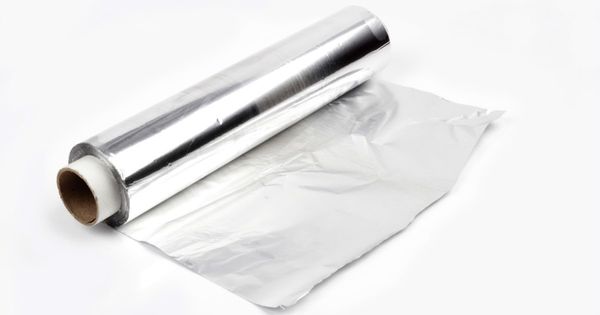
Did you know that using aluminum foil may not be as safe as we once thought? Recent studies have shown that aluminum, a neurotoxic heavy metal, can have negative effects on brain function and may even contribute to the development of Alzheimer’s disease. Experts have cautioned that frequent use of aluminum foil can lead to a loss of coordination, memory, balance, and overall mental decline. These effects are long-lasting, so it’s important to be aware of the potential risks.
Not only can cooking with aluminum foil impact the brain, but it can also affect the health of your bones. Aluminum can accumulate inside the bones and interfere with calcium absorption, leading to bone damage over time. It’s essential to take steps to protect your bone health and minimize exposure to this harmful metal.
In addition to its effects on the brain and bones, aluminum has also been found to have negative effects on the respiratory system. Inhaling aluminum or using it to grill food can result in pulmonary fibrosis, a serious lung condition. It’s alarming to think that while we are aware of the health risks associated with aluminum cans, the potential dangers of using aluminum foil have not received the same attention.
You may be surprised to learn that when exposed to high temperatures, parts of the aluminum foil can actually transfer into the food being cooked. These aluminum particles are not the only concern; chemical leaching can also occur when cooking certain foods with aluminum foil, especially when combined with spices or acidic ingredients like lemons. This means that even if you’re not directly ingesting the aluminum particles, you could still be exposed to this toxic metal.
Dr. Essam Zubaidy, a chemical engineering researcher at the American University of Sharjah, conducted a study on the effects of aluminum foil on cooking. His research revealed that a dish cooked with aluminum foil can contain up to 400mg of aluminum, far exceeding the recommended daily allowance of 60mg set by the World Health Organization. These findings highlight the potential danger of using aluminum foil for cooking.
To minimize your exposure to aluminum, it is recommended to avoid cooking with aluminum foil altogether, or at the very least, avoid using it when cooking foods that are acidic, such as tomatoes or citrus juice. Dr. Zubaidy also noted that as cooking temperature increases, more chemical leaching occurs, further increasing the potential risks.
Protecting your health is important at any age, and being aware of potential dangers is the first step. Consider alternative cooking methods and materials that are safer and healthier for you and your loved ones.