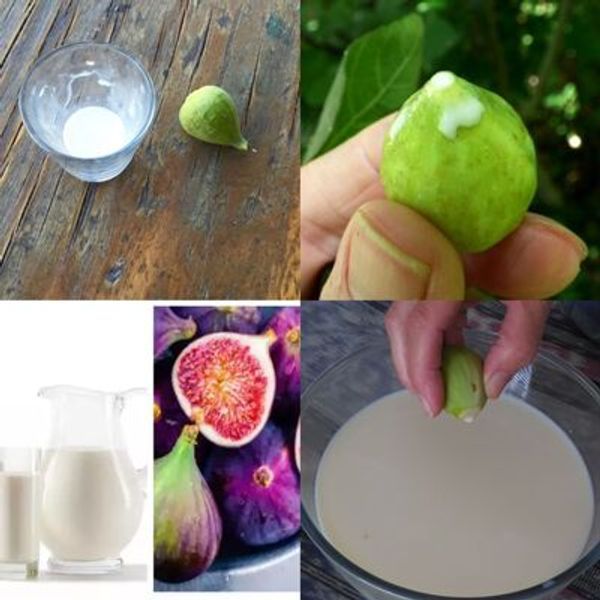
Hey there! Are you aware of the treasure trove hidden in fig trees, beyond their delicious fruits? These trees offer a versatile sap that can serve various purposes. Let’s delve into the world of fig sap collection and utilization, enhancing your sustainable living practices while staying safe and sound.
Before You Dive In
When it comes to collecting fig sap, it’s crucial to consider a few key points:
- Prioritize Safety: Fig sap contains latex, which can be harsh on your skin and eyes. Remember to equip yourself with gloves and protective eyewear.
- Timing Matters: The prime time to collect fig sap is from late spring to early autumn when the tree is in full growth mode, ensuring a rich flow of sap.
- Choose Wisely: Opt for sap collection from mature, healthy trees to avoid causing stress to young or weak trees.
Tools of the Trade
To embark on your fig sap collection journey, gather the following tools and materials:
- Gardening gloves
- Protective eyewear
- Sharp knife or clean cutting tool
- Collection container, such as a glass jar or plastic bowl
Simple Steps to Collect Fig Sap
Here’s a straightforward guide to safely gather fig sap from a fig tree:
- Prepare Your Tools: Ensure your tools are clean and sharp for a precise and gentle incision.
- Select the Right Spot: Locate a suitable area on a branch or trunk for a small incision, avoiding any signs of disease or damage.
- Make an Incision: Carefully cut into the tree bark, keeping it shallow and minimal to reduce harm.
- Gather the Sap: Position your collection container below the incision to catch the dripping sap, allowing it to accumulate for a few hours if needed.
- Seal the Wound: Once you’ve collected sufficient sap, seal the incision with a natural tree sealant or a layer of smooth mud to protect the tree from infections.
The Versatility of Fig Sap
Throughout various cultures, fig sap has been utilized in diverse ways:
- Natural Remedy: Diluted fig sap serves as a natural remedy for skin irritations and wart treatment.
- Culinary Magic: Processed fig sap can act as a coagulant, ideal for creating dairy-free cheese.
- Gardener’s Companion: Applying fig sap to other plants can serve as a natural pest deterrent.
By engaging in the collection and utilization of fig sap, you not only connect with nature but also reap a multitude of benefits. Follow these steps diligently to collect fig sap safely and embrace an eco-friendly, sustainable lifestyle.
Safety Reminder
Always conduct a patch test with diluted sap before full utilization to rule out any allergic reactions. If you’re uncertain about fig sap handling or usage, seek guidance from a professional.