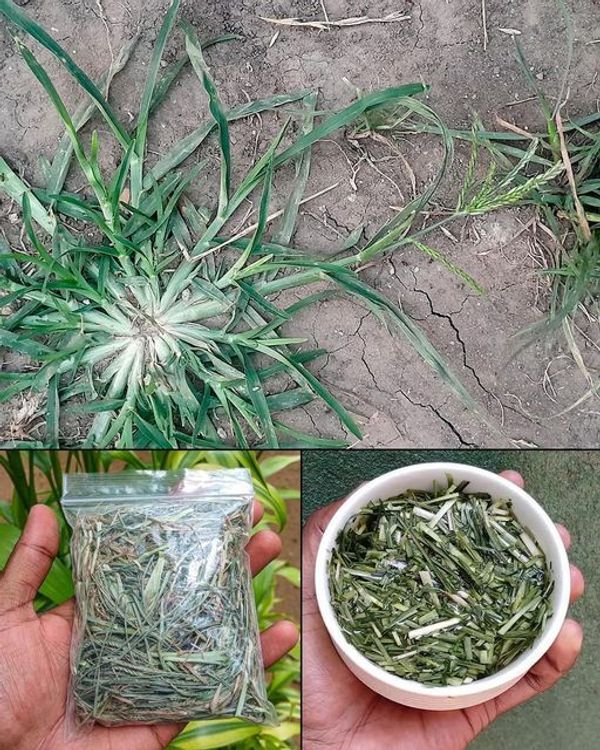
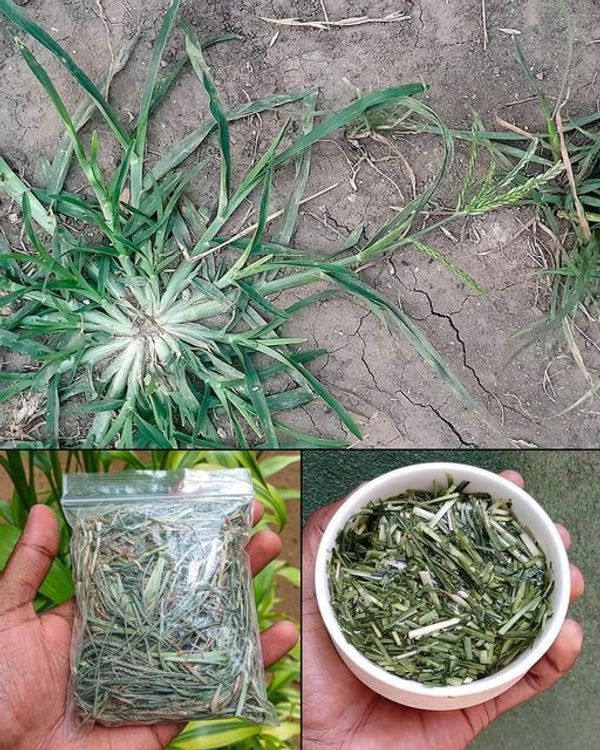
Goose grass, also known as cleavers or Galium aparine, is more than just a common weed – it’s a potent herbal remedy with a rich history in traditional medicine. Despite its wild nature, this plant offers a range of health benefits when utilized correctly. Let’s delve into the wonders of goose grass and how you can incorporate its potential into your wellness routine.
Discovering the Health Benefits of Goose Grass (Cleavers)
1. Support for the Lymphatic System
Goose grass is renowned for its ability to invigorate the lymphatic system, aiding in the detoxification and purification of the body. It is frequently employed in herbal medicine to alleviate lymphatic swelling and enhance lymph circulation.
2. Acting as a Natural Diuretic
Functioning as a natural diuretic, goose grass stimulates urine production and elimination, facilitating the detoxification process by expelling toxins from the kidneys and bladder. It is beneficial for treating urinary tract infections and averting the formation of kidney stones.
3. Enhancing Skin Health
With its anti-inflammatory properties, goose grass can be topically applied to address various skin conditions like eczema, psoriasis, and acne. It also helps soothe burns and wounds effectively.
4. Promoting Digestive Health
Due to its soothing properties, goose grass is often used to alleviate gastrointestinal problems such as ulcers, indigestion, and constipation.
Ways to Incorporate Goose Grass into Your Routine
Brewing Goose Grass Tea
Ingredients: Fresh or dried goose grass.
Instructions: Steep a handful of fresh or dried plant in boiling water for about 10 minutes. Once cooled, strain and enjoy the tea. It can be consumed up to three times a day to enhance lymphatic function and urinary health.
Utilizing Topically
For skin irritations or wounds, create a poultice by crushing the fresh leaves and applying them directly to the affected area. This method aids in reducing swelling, alleviating irritation, and expediting the healing process.
Adding to Meals
Young goose grass shoots are not only edible but also a nutritious addition to salads or smoothies, boasting high levels of vitamins C and A, along with essential minerals.
Precautionary Measures
- Allergies and Sensitivity: Some individuals may exhibit allergies to goose grass, especially those with sensitivities to plants in the Rubiaceae family. Always conduct a patch test on a small skin area before topical use.
- Pregnancy and Breastfeeding: Due to its diuretic properties, it is recommended that pregnant or breastfeeding women avoid using goose grass unless under medical supervision.
- Medicinal Interactions: If you are on medications, particularly diuretics or drugs affecting kidney function, consult a healthcare professional before incorporating goose grass into your regimen.
In Conclusion
Often underestimated as a mere garden weed, goose grass harbors incredible medicinal properties that can naturally enhance your health. Whether you seek relief for skin issues, support for the lymphatic system, or a detoxifying agent, goose grass could be the herbal solution you’ve been seeking. Remember, responsible usage and understanding of its effects and potential interactions are key when harnessing the power of goose grass.