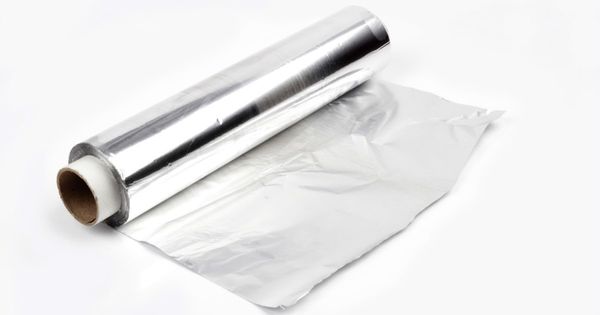
Did you know that the aluminum foil you use for cooking may not be as safe as you think? Recent studies have revealed shocking information about this everyday item. Aluminum, a neurotoxic heavy metal, can have harmful effects on your brain function, and it has even been linked to conditions like Alzheimer’s disease. Experts caution that frequent use of aluminum foil could lead to memory loss, coordination issues, and overall mental decline, with these effects being long-lasting.
Cooking with aluminum foil doesn’t just impact your brain; it can also affect your bones. The metal can accumulate in your bones, displacing essential calcium and causing damage over time. Furthermore, inhalation of aluminum particles while grilling food or using foil can harm your respiratory system, potentially leading to pulmonary fibrosis.
While many are aware of the health risks associated with aluminum cans, the dangers of aluminum foil often go unnoticed. High temperatures can cause the foil to release particles that contaminate your food. In addition, chemical leaching may occur, especially when cooking with acidic ingredients like tomatoes or citrus juices.
Research conducted by Dr. Essam Zubaidy, a chemical engineering researcher at the American University of Sharjah, revealed alarming findings. A dish cooked with aluminum foil can contain up to 400mg of this toxic metal. To put this into perspective, the World Health Organization recommends a daily intake of aluminum not exceeding 60mg.
Dr. Zubaidy strongly advises against using aluminum foil for cooking, especially when preparing acidic foods like tomatoes or using spices. As cooking temperatures rise, the risk of chemical leaching increases. It’s time to rethink your kitchen practices and prioritize your health by minimizing your exposure to aluminum foil. Stay informed and make conscious choices for a healthier lifestyle.