
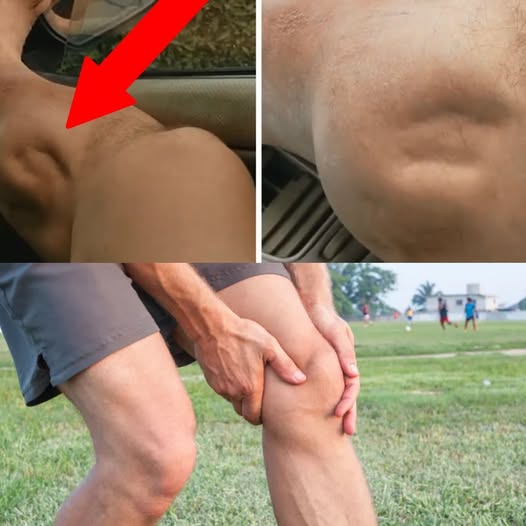
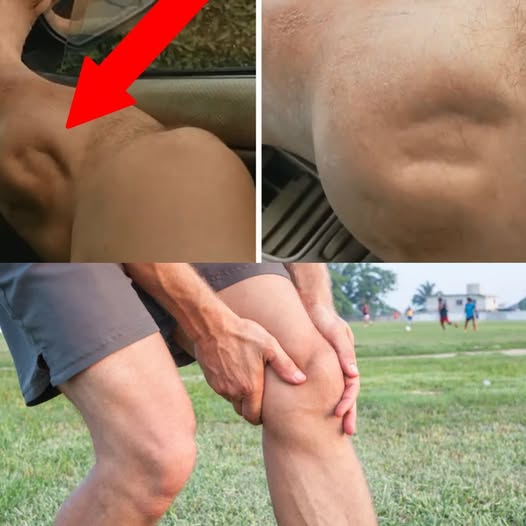
Muscle cramps are sudden, involuntary contractions of one or more muscles, often causing intense pain. They can strike during exercise, at night, or even while resting – and they’re especially common in the legs. Here’s what causes them and how you can prevent cramps from ruining your day (or night).
Common Causes of Muscle Cramps
✅ Dehydration – Not drinking enough fluids can lead to an electrolyte imbalance, triggering cramps.
✅ Electrolyte Imbalance – Low levels of potassium, magnesium, calcium, or sodium make muscles more prone to cramping.
✅ Overuse or Fatigue – Pushing muscles beyond their usual activity can cause them to seize up.
✅ Poor Circulation – Reduced blood flow, often from sitting or standing in one position too long, can cause cramps.
✅ Nerve Compression – Pinched nerves in the spine or elsewhere can lead to muscle spasms.
✅ Medical Conditions – Conditions like diabetes, thyroid problems, or nerve disorders can contribute to frequent cramps.
✅ Certain Medications – Diuretics, statins, and some blood pressure medicines may cause cramping as a side effect.
How to Prevent Muscle Cramps
✅ Stay Hydrated – Drink plenty of water throughout the day, especially before and after exercise.
✅ Balance Electrolytes – Eat foods rich in potassium (bananas, sweet potatoes), magnesium (pumpkin seeds, almonds), and calcium (dairy, leafy greens).
✅ Warm Up and Stretch – Always warm up before exercise and stretch muscles afterward, focusing on calves, hamstrings, and quads.
✅ Avoid Prolonged Inactivity – Don’t sit or stand in one position too long; move regularly to keep blood flowing.
✅ Massage and Heat – Regular massages and using a warm compress on tight muscles can help relax them.
✅ Wear Comfortable Shoes – Supportive footwear reduces strain on leg muscles and improves circulation.
Quick Relief During a Cramp
- Gently stretch and massage the cramped muscle.
- Flex your foot upward if it’s a calf cramp.
- Apply a warm towel or heating pad to loosen the muscle.
- Walk around slowly once the pain subsides to restore blood flow.
When to See a Doctor
If cramps are frequent, severe, last more than 10 minutes, or come with swelling, weakness, or numbness, consult your healthcare provider to rule out underlying conditions.
Stay hydrated, nourished, and active to keep muscle cramps at bay and enjoy pain-free movement every day!



