
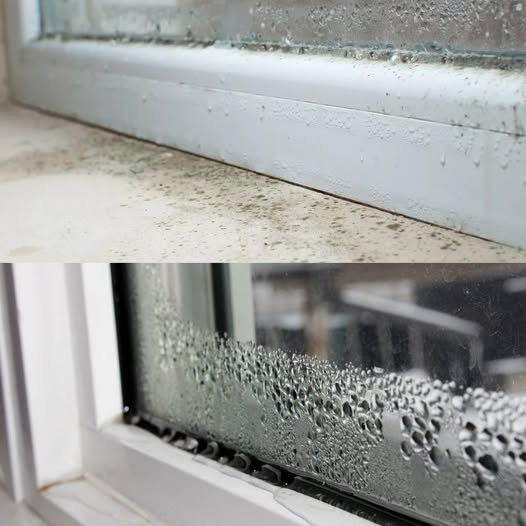
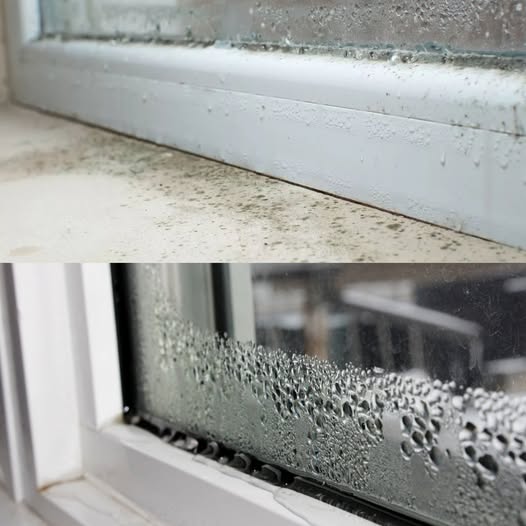
Condensation on windows is a common issue in colder seasons, and while those foggy panes might seem harmless, they can cause serious problems over time. Persistent window condensation increases moisture inside your home, leading to mold growth, wood damage, and an overall dull, unhealthy living space. Luckily, a few simple tricks can help you keep your windows clear and your home cozy and safe!
🌟 Why Does Condensation Form on Windows?
When warm, humid air inside your home meets cold window surfaces, the air cools quickly and releases moisture as water droplets — this is condensation. It’s most common during fall and winter when there’s a big temperature difference between indoors and outdoors.
⚠️ Why Condensation is a Problem
✅ Mold and mildew – Excess moisture creates the perfect environment for mold, which can damage walls, window frames, and harm indoor air quality.
✅ Wood damage – Wooden sills and frames can warp, crack, or rot from constant exposure to water droplets.
✅ Unpleasant appearance – Foggy, wet windows make your home look dull and neglected.
✅ How to Reduce Condensation on Windows
1. Increase ventilation
Open windows for a few minutes each day, especially after cooking or showering, to let humid air escape.
2. Use exhaust fans
Run bathroom and kitchen fans while cooking or bathing to pull moisture out of the air.
3. Keep home temperature consistent
Avoid big temperature swings by maintaining a steady indoor temperature, which helps prevent condensation.
4. Move plants away from windows
Indoor plants release moisture into the air; placing them farther from windows can reduce localized humidity.
5. Use a dehumidifier
A dehumidifier can remove excess moisture from indoor air, helping keep windows dry.
6. Wipe condensation promptly
Dry any condensation on windows with a microfiber cloth each morning to prevent water from seeping into frames.
7. Apply window insulation film
Adding an insulating film to windows can keep glass warmer, reducing condensation.
🌟 Final Thought
Condensation on windows is more than just an eyesore — it’s a sign of excess indoor moisture that can lead to mold, damage, and discomfort. By following these simple steps, you can protect your home, improve air quality, and keep your living space bright and welcoming even in the coldest months.



