Did you know the leftover charcoal from your fireplace or barbecue (as long as it’s free of chemicals) can be a powerful, cost-free way to improve your garden soil? Here’s why charcoal is a gardener’s best friend — and how you can use it to help your plants thrive!
Why Charcoal is Great for Plants
✅ Improves Soil Drainage
When crushed and mixed into soil, charcoal creates pockets of air and space that help water drain properly, preventing root rot and soggy soil.
✅ Balances Soil pH
Charcoal can help neutralize overly acidic soils, making nutrients more available to plants.
✅ Boosts Nutrient Retention
Charcoal acts like a sponge, holding onto nutrients and releasing them slowly so your plants have a steady supply over time.
✅ Increases Beneficial Microbes
Charcoal provides a habitat for good bacteria and fungi that support healthy plant growth.
How to Use Charcoal in Your Garden
1️⃣ Collect Pure Charcoal
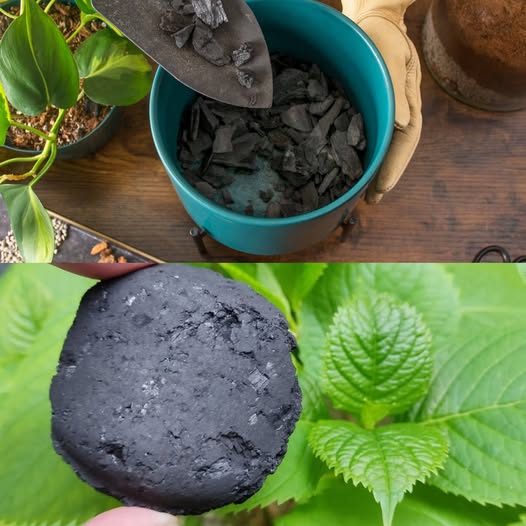
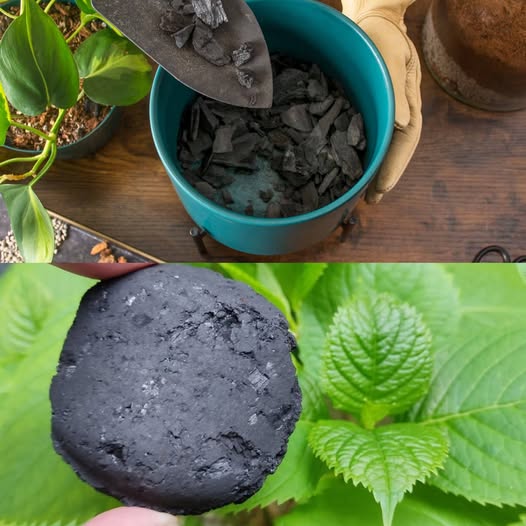
Use only natural, untreated wood charcoal. Avoid briquettes with added chemicals, lighter fluid, or synthetic binders.
2️⃣ Crush It Finely
Use a hammer or rolling pin to break the charcoal into small pieces — about the size of coarse sand or rice grains.
3️⃣ Mix with Soil
For every square foot of soil, mix in a handful of crushed charcoal. You can also add it to potting mixes for houseplants or container gardens.
4️⃣ Compost Boost
Add crushed charcoal to your compost pile. It helps reduce odors, speed up decomposition, and improve the final compost’s quality.
A Gentle Reminder
Charcoal is not a complete fertilizer — it doesn’t supply nitrogen, phosphorus, or potassium — but it greatly improves soil structure, nutrient retention, and plant health when combined with compost or organic fertilizers.
So don’t throw away that leftover charcoal — crush it, mix it into your soil, and give your plants the gift of healthier roots and better growth, all for free!