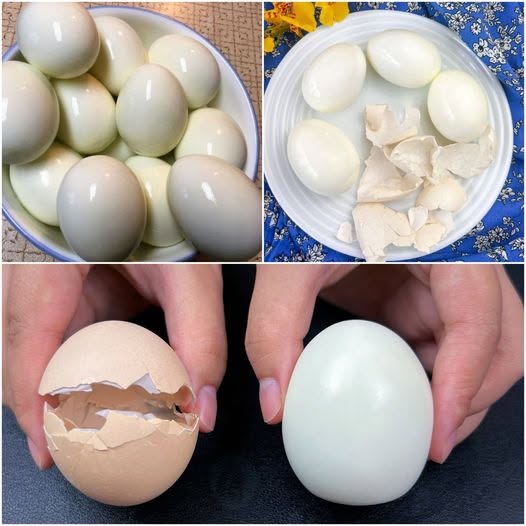
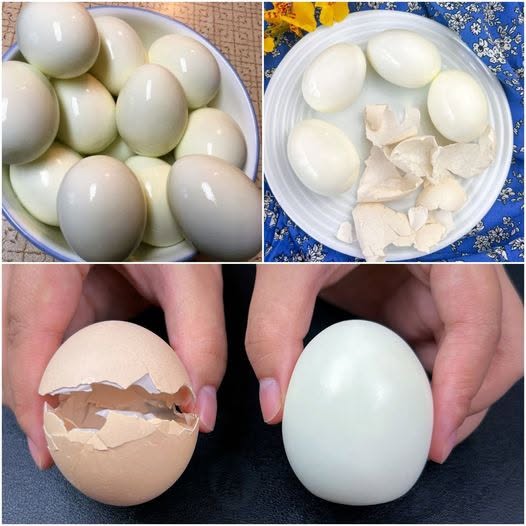
Boiling eggs seems simple, but one small mistake—adding cold water directly into a hot pot—can lead to cracked shells, rubbery whites, or even greenish yolks. Many people unknowingly ruin their eggs this way. Here’s the right way to get perfect, easy-to-peel boiled eggs every time!
❌ Why You Shouldn’t Pour Cold Water Directly Into a Hot Pot
Adding cold water into a hot pan with eggs (or placing cold eggs into boiling water suddenly) causes a rapid change in temperature. This can:
- Crack the shells due to thermal shock
- Create uneven cooking
- Make eggs harder to peel
- Lead to rubbery whites or grey yolks
✅ Correct Way to Boil Eggs – Step-by-Step
- Start with Eggs at Room Temperature (if possible)
This helps prevent cracking when heat is applied. - Place Eggs in a Pot First
Gently place the eggs in an empty pot and cover with cold water—about 2–3 cm above the eggs. - Heat Gently
Put the pot on medium heat and bring the water slowly to a boil. This allows the eggs to heat gradually and cook evenly. - Once Boiling, Turn Off Heat (Optional)
For softer eggs: Turn off the heat once water boils, cover the pot, and let sit for 9–12 minutes depending on desired doneness.
For firm eggs: Let simmer gently for 10 minutes. - Use an Ice Bath
When time is up, remove eggs and place them immediately into a bowl of cold water with ice. This:- Stops the cooking process
- Prevents overcooked, grey yolks
- Makes peeling much easier
🥚 Bonus Tips for Easy Peeling
- Use eggs that are 5–7 days old—very fresh eggs are harder to peel
- Crack gently and roll the egg on a hard surface
- Peel under running water if needed
With this method, you’ll enjoy boiled eggs that are perfectly cooked, easy to peel, and free from cracks or rubbery textures. Just remember:
Cold water at the start = good. Cold water suddenly = cracked eggs!